How to Propagate Long nipple cactus?
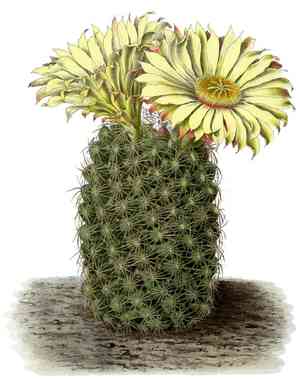
Mammillaria longimamma, commonly known as long nipple cactus, is a unique succulent recognized for its extended, cylindrical tubercles, which resemble nipples and give the plant its name. The most effective method for propagation involves taking cuttings, ensuring a precise incision on a segment of the tubercle. Permit the severed piece to form a callus over several days prior to planting it in a substrate that drains efficiently. To foster robust root formation, keep the cutting in luminous, diffused illumination and irrigate infrequently, replicating the arid environment of Mammillaria longimamma to stimulate development.
Optimal Period for Propagating Long Nipple Cactus
Propagation Method
Cutting
Propagation Season
Spring,Summer
Tools Required for Long Nipple Cactus Propagation
Sharp Knife or Pruning Shears
A keen blade or garden shears are vital for making clean cuts on long nipple cactus sections for propagation. A precise, sterile cut is key to preventing infection and ensuring quick healing of the cut area. The sharpness of these instruments helps achieve an exact cut without harming surrounding tissue, maximizing the potential for successful root formation.
Gloves and Tongs
Given the thorny nature of long nipple cactus, wearing gloves and using tongs during the cutting process will shield hands from punctures and enable safer handling of the plant. These implements are especially important for manipulating and positioning long nipple cactus without injury to both the handler and the plant.
Rooting Hormone Powder
Applying a rooting hormone to the severed end of long nipple cactus encourages root development at a quicker pace than untreated cuttings. This boost in root formation improves the overall likelihood of successful propagation. The hormone also aids in safeguarding the cut site from potential infections, supporting healthier plant growth.
Sterilizing Agent (e.g., Rubbing Alcohol or Bleach Solution)
Prior to making any cuts, it's crucial to sanitize cutting tools using either rubbing alcohol or a bleach solution. This prevents the transfer of diseases to long nipple cactus during the propagation process. Sterilization is essential for maintaining the health and viability of the new plants.
Well-draining Soil Mix
For potting the new cuttings, a soil blend specifically formulated for cacti and succulents that drains well will support the growth of strong roots. The soil mixture should permit adequate water runoff and prevent waterlogging, conditions that are ideal for root development in long nipple cactus after propagation.
How to Propagate Long Nipple Cactus
Propagation Difficulty
Easy
Caring for Your Newly Propagated Long Nipple Cactus
Caring for Your Newly Propagated Long Nipple Cactus
After propagation, place long nipple cactus in a location with bright, indirect light. Continue to use a well-draining soil mix and maintain minimal watering, allowing the soil to dry out between waterings. During the active growth period, you can fertilize long nipple cactus with a cactus fertilizer every 4-6 weeks. Avoid cold drafts and frost, as long nipple cactus prefers warmer temperatures. With proper care, long nipple cactus should begin to show new growth, indicating successful propagation.
Common Errors to Avoid When Propagating Long Nipple Cactus
Excessive Watering
Overwatering can lead to root rot in long nipple cactus, as it is adapted to dry environments where water is scarce. This error often results in soft, discolored stems and an increased risk of fungal infections, ultimately killing the plant.
Using non-sterile tools
Employing unsterilized tools for cutting or grafting can introduce pathogens to long nipple cactus. This can cause infections that are detrimental to the plant's health, potentially hindering successful propagation.
Incorrect soil mixture
Using an unsuitable soil mixture that retains too much moisture can cause root rot in long nipple cactus. The species requires well-draining soil to mimic its natural desert habitat; otherwise, the roots may suffer from a lack of oxygen and excessive moisture.
Neglecting light requirements
Insufficient light for long nipple cactus during the rooting phase can lead to etiolated growth, where the plant becomes elongated and weak, affecting its overall health and appearance.
Rushing the callusing process
Planting long nipple cactus cuttings too soon without proper callusing can increase the risk of rotting before roots have a chance to develop. Callusing is vital as it creates a protective barrier at the cut site.
Tips For Propagating Long Nipple Cactus
Appropriate watering
Water long nipple cactus sparingly and allow the soil to completely dry out between waterings. This mimics natural arid conditions and promotes healthy root growth without oversaturating the plant.
Sterilize tools
Always use sanitized cutting tools when taking cuttings from long nipple cactus to minimize the risk of infection. Clean tools reduce disease spread and increase the chances of successful propagation.
Use right soil mix
Propagate long nipple cactus in a well-draining cactus or succulent soil mix to prevent waterlogging. Amending the soil with sand or perlite can improve drainage and replicate long nipple cactus's native growing conditions.
Provide sufficient lighting
Ensure long nipple cactus receives adequate light during propagation to encourage compact, robust growth. Bright, indirect sunlight is ideal for stimulating healthy development without causing sunburn.
Allow for callusing
Allow cuttings of long nipple cactus to form a callus over a few days before planting. This hardened surface helps protect the cutting from rot and disease as it begins to root.



