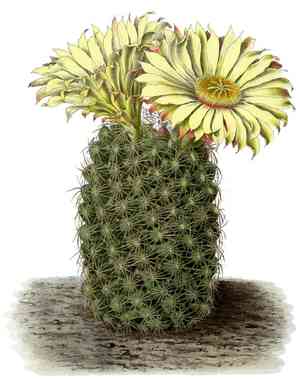
Long nipple cactus (Mammillaria longimamma)
Also known as: Long Nipple Cactus, Finger Cactus
The long nipple cactus thrives on limestone and volcanic soils. This striking cactus is often illegally collected from its natural habitat, despite being available commercially. In late spring, it produces stunning yellow blooms.
In This Article
Attributes of Long nipple cactus
Lifespan
Perennial
Plant Type
Succulent
Plant Height
10 cm
Spread
10 cm
Leaf Color
Green (Note: Cacti have specialized leaves known as spines)
Flower Size
2.5 cm to 8 cm
Flower Color
Yellow
Images of Long nipple cactus
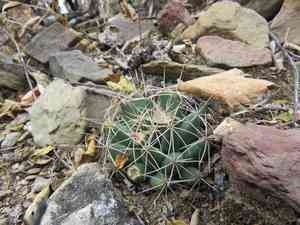
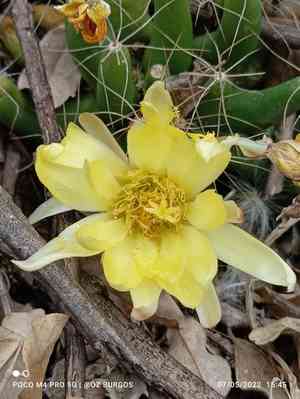
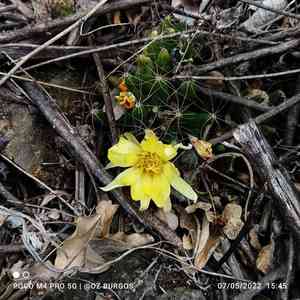
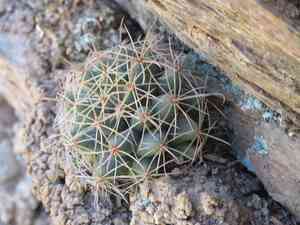
Quickly Identify Long nipple cactus
1
To identify Mammillaria longimamma, look for its characteristic long tubercles, radial spines, and central spines which are usually darker. Its yellow flowers and elongated tubercles are key features for identification.
Scientific Classification of Long nipple cactus
Phylum
Vascular plants
Class
Dicotyledons
Order
Caryophyllales
Family
Cactuses
Genus
Mammillaria
Species
Long nipple cactus
Planting and Growing of Long nipple cactus
Care Difficulty
Easy
Watering Schedule
Every day
Sunlight Requirements
Full sun
Sunshine Duration
6-10 hours
Ideal Temperature
64-77℉
Soil Type
Potting Mix, Peat Mix
Soil pH
6.5-7.5
Fertilizer Type
Balanced
Pruning Season
Spring, Summer
Pruning Area
Branches, Leaves
Pruning Frequency
2 times a year
Repotting Season
Spring
Pot Type
Plastic, Ceramic
 How to Water Long nipple cactus?
For Mammillaria longimamma, watering should be done following the 'soak and dry' method. This means that the soil should be completely soaked with approximately 50 ml of water, allowing the excess to drain, and then letting the soil dry out completely before the next watering session.
What are the symptoms of an underwatered Long nipple cactus?
›
What should I do if my Long nipple cactus is not getting enough water?
›
What are the symptoms of an overwatered Long nipple cactus?
›
How to save an overwatered Long nipple cactus?
›
 What Are the Sunlight Requirements for Long nipple cactus?
Partial to full sunlight exposure ensures optimal growth for Mammillaria longimamma. Consistent access to sunlight enriches its photosynthesis, leading to vibrant spines and healthy blooms.
More About Sunlight Requirements Techniques→
How much sunlight is ideal?
›
How to achieve ideal sunlight?
›
Benefits of ideal sunlight on the plant?
›
 What Is the Ideal Temperature Range for Long nipple cactus?
The ideal temperature range for Mammillaria longimamma is between 64°F and 77°F. This range provides a warm environment similar to its native habitat, allowing optimal growth and flowering. Maintaining these temperatures ensures that the plant's metabolism functions effectively and its tissues remain healthy.
 What Soil is Best for Long nipple cactus?
Mammillaria longimamma thrives in well-drained soil, preventing root rot by allowing excess water to escape quickly. This characteristic mirrors its natural habitat, where short bursts of rain quickly dissipate, ensuring root health and promoting vigorous growth. While Mammillaria longimamma is not particularly demanding, a nutrient-rich substrate provides essential minerals and nutrients that support growth and flowering. Enriching the soil with organic matter can improve growth efficiency and health. A granular soil composition is vital for avoiding compaction, which can hinder root expansion and water drainage. A mixture that encourages granularity will reflect the plant's native environment, facilitating robust root development and oxygen flow.
 How to Fertilize Long nipple cactus?
When fertilizing Mammillaria longimamma, use a balanced cactus fertilizer at half the recommended strength. This ensures the plant receives adequate nutrients without the risk of over-fertilization. Typically, liquid fertilizers can be prepared by diluting a standard cactus fertilizer 1:1 with water. For granular fertilizers, simply follow the manufacturer's guidelines but apply it at half the suggested rate to avoid nutrient toxicity.
 How to Prune Long nipple cactus?
Begin by removing dead or damaged spines. Next, trim back sections that are overcrowded to promote airflow and light penetration. This helps maintain the cactus's aesthetic shape and overall health. After pruning, place the Mammillaria longimamma in a shaded area to allow it to recover. This protects the plant from additional stress caused by harsh sunlight while it heals.
 How to Propagate Long nipple cactus plant?
1
Sow the seeds on the surface of a well-draining cactus mix without covering them too deeply. Lightly press them into the soil and keep the substrate moist.
2
Select a healthy stem and use a sterile knife to make a clean cut. Allow the cutting to dry for a few days until it forms a callous before planting.
3
Carefully separate offsets from the main cactus plant, ensuring that each offset has roots. Replant the offsets in a suitable cactus mix immediately.
 How to Repot Long nipple cactus plant?
1
Mammillaria longimamma shows it's ready for a new pot when its roots start to outgrow the current container, or when you notice that water is not draining well. Additionally, if the soil appears compacted or you've not repotted for over two years, it might be time for a change. Observing these signs ensures the plant continues to thrive in its environment.
2
Choose a pot that is slightly larger than the current one, with ample drainage holes to prevent excess moisture which could harm your Mammillaria longimamma. A shallow, wide pot often works best, allowing the cacti's shallow root system to spread while providing stability. Proper pot selection aids in preventing root rot and supports healthy growth.
3
Opt for a well-draining cactus mix to replicate the plant's natural arid habitat. This soil blend typically contains sand or small gravel, promoting air circulation around the roots and preventing water retention. Using appropriate soil ensures that the Mammillaria longimamma avoids common issues like root rot and maintains its health and vibrancy.



