Enhancing Your Garden Design with the Long nipple cactus Plant: A Landscaping Guide
1
The Long nipple cactus tolerates dry conditions well, making it suitable for arid regions.
2
Its distinctive form provides a unique aesthetic to any landscape.
3
This cactus needs little care, making it great for those with limited time.
Why Select Long nipple cactus for Your Garden?
Drought-tolerant and ideal for arid environments
A key characteristic of Long nipple cactus is its remarkable ability to withstand drought. This plant originates from regions with minimal rainfall, having perfectly adapted to thrive in such conditions. For gardeners residing in dry or semi-arid climates, Long nipple cactus is an excellent option as it demands less frequent irrigation compared to many other plants. This not only conserves water but also decreases overall upkeep time. The plant flourishes in well-draining soil and full sun, making it a robust element for any xeriscape garden.
Distinctive aesthetic appeal with its unique form
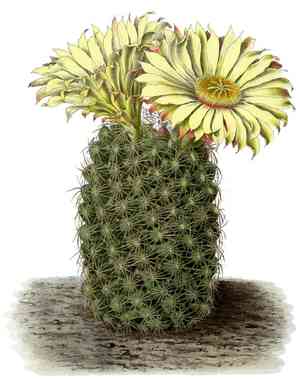
Long nipple cactus provides a unique visual component to your garden's landscape due to its peculiar shape and texture. The plant features tubercles that resemble elongated nipples, which are both intriguing and add diversity to the garden's structure. Furthermore, during its flowering period, Long nipple cactus can produce beautiful blooms that offer a striking contrast to its green body. This singular appearance can serve as a focal point or accent piece in your garden, enhancing its overall visual charm.
Minimal maintenance requirements
For those who prefer a garden that requires little upkeep, Long nipple cactus is an optimal choice. The plant does not need frequent watering or fertilization and is quite resistant to pests. Given its resilient nature, Long nipple cactus can survive with very little attention, making it a great option for busy gardeners or those new to horticulture. Once established, it is remarkably self-sufficient, offering a beautiful garden feature that asks for little in return.
Designing Your Landscape with Long nipple cactus
Choosing the correct site for planting
To optimize the growth and health of Long nipple cactus, selecting the appropriate location is vital. This plant thrives in direct sunlight, so pick a spot in your garden that receives at least six hours of direct sun daily. Ensure the soil in that area drains effectively, as waterlogged soil can lead to root decay. An elevated or well-drained spot is often the best choice for planting Long nipple cactus.
Pairing Long nipple cactus with other plants
Long nipple cactus can be a wonderful companion to other drought-resistant plants, such as succulents and certain types of grasses. When planning your garden layout, consider placing Long nipple cactus alongside plants that share similar water and sunlight needs. Utilizing Long nipple cactus as a structural element can create a visually captivating contrast when combined with plants that possess softer or more flowing forms. This way, you can achieve a balanced and harmonious garden design.
Preparing the Soil for Long nipple cactus
Soil types suitable for Long nipple cactus
Long nipple cactus prefers sandy, well-draining soil that mimics the conditions of its natural environment. If your garden soil is heavy or clay-like, you can amend it by incorporating sand or a gritty mixture to improve drainage. Commercial cactus or succulent potting mixes are also appropriate for planting Long nipple cactus. These mixes typically contain a blend of sand, perlite, and organic matter designed to enhance drainage while supplying essential nutrients.
Adjusting soil pH and drainage
The ideal soil pH for Long nipple cactus is slightly acidic to neutral, ranging from 6.0 to 7.0. You can test your garden soil using a pH test kit available at most garden centers. If the pH is too high or too low, you can modify it by adding suitable soil amendments, such as sulfur to decrease the pH or lime to increase it. Ensuring excellent drainage is equally important; you might need to install a raised bed or use gravel and sand layers in the planting hole to prevent water accumulation.
Planting and Initial Care for Long nipple cactus
Optimal season to plant Long nipple cactus
The best time to plant Long nipple cactus is during the spring when the soil temperature is sufficiently warm to encourage root development. Planting in spring allows Long nipple cactus the entire growing season to establish roots before the arrival of colder weather. Ensure that all risk of frost has passed before you plant.
Initial watering and post-planting care
After planting Long nipple cactus, water it thoroughly to help settle the soil around the roots. However, be careful not to overwater; allow the soil to dry out before irrigating again. The initial period after planting is critical, so monitor soil moisture closely. Reduce watering frequency as the plant becomes established, transitioning to a more regular watering routine suited to its drought-resistant nature.
Maintaining Long nipple cactus in Your Garden
Seasonal care recommendations
Throughout the year, Long nipple cactus requires minimal attention. During the active growth period (spring and summer), water the plant moderately, allowing the soil to dry between waterings. In the autumn and winter, significantly reduce irrigation to simulate natural dry conditions. Fertilizing is generally not necessary, but you can use a diluted cactus fertilizer sparingly during the growing season.
Managing pests and common problems
Long nipple cactus is relatively resistant to pests, but you should still watch for common issues such as mealybugs and root rot. If you observe any pests, treat the plant with insecticidal soap or alcohol wipes. Overwatering is the most frequent cause of root rot; ensure your soil drains well and your watering practices are appropriate to avoid this issue.



