How to Transplant Apple?
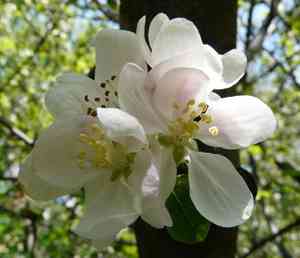
To achieve the best outcomes, relocate apple during the pleasant period of late spring through mid-summer, since elevated temperatures foster robust development. Confirm a bright spot with adequately draining earth, and carefully untangle the root mass prior to transplanting for superior integration.
Essential Preparations Before Relocating Apple
Optimal Period for Apple Relocation?
The perfect window for moving apple is from late spring to midsummer, allowing robust root development before winter. Your garden will flourish and reward you with vibrant blooms when apple is planted during this thriving season!
Required Spacing Between Apple Plants?
When relocating apple, ensure a distance of approximately 10-30 feet (3-9 meters) between them. This provides ample room for growth and good air circulation, preventing competition for nutrients and water.
Best Soil Mixture for Apple Relocation?
For apple, prepare well-draining soil with a slightly acidic pH of 6.0-6.5. Incorporate compost or manure to enhance fertility. A balanced fertilizer, such as 10-10-10 (N-P-K), can be used as a base to support healthy development.
Ideal New Location for Your Apple?
Select a spot with full sun exposure for apple, as they require at least 6-8 hours of direct sunlight daily. Ensure the area has sufficient space for mature trees and protection from strong winds to encourage proper growth and fruit production.
Equipment Needed Before Relocating Apple
Gardening Gloves
To safeguard your hands while handling soil and the apple plant.
Shovel or Spade
For excavating holes and trenches for the apple relocation.
Garden Fork or Hand Trowel
To loosen the soil and work around the plant's root system.
Watering Can or Hose
To provide water to the apple during the relocation process.
Pruning Shears
To trim any damaged or diseased branches on the apple prior to relocation.
Garden Ruler or Measuring Tape
To ensure the plant is positioned at the correct depth and spacing.
How to Extract Apple from its Current Location?
How to Extract Apple from its Current Location?
- From Ground: First, moisten the soil around the apple plant. Then, dig a wide trench around the plant using a shovel or spade, ensuring the root ball remains intact. Carefully work the spade beneath the root ball to lift the plant from its original spot.- From Pot: Water the apple to moisten the soil in the container. Place your hand on the soil surface, gently tilting the pot onto its side. Depending on the pot's size, you may need to gently tap or push the plant out, being careful not to harm the roots.- From Seedling Tray: Ensure the apple seedlings are adequately watered before relocation. Use a garden fork or hand trowel to gently loosen the soil around each seedling's root system and lift it from the tray. Handle seedlings by their leaves, not their delicate stems.
Step-by-Step Guide for Relocating Apple
Location Selection
Choose a spot with adequate sunlight and room for your apple plant to reach its full mature size.
Soil Preparation
Loosen the soil in the planting area to a depth of at least 12-18 inches using a garden fork or hand trowel. Incorporate organic matter if necessary to improve soil structure and fertility.
Hole Excavation
Use a shovel or spade to dig a hole that is twice as wide and as deep as the root ball of your apple plant.
Plant Placement
Gently lower the apple into the hole, ensuring the top of the root ball is level with the soil surface. Spread out the roots to encourage outward growth.
Backfilling the Hole
Refill the hole with soil, gently firming it down around the root ball to eliminate air pockets, without overly compacting the soil.
Initial Watering
Water the apple thoroughly after planting, ensuring the soil is uniformly moist to aid in establishing strong roots.
Post-Relocation Care for Apple
Watering
Keep the soil around the apple consistently moist, but not waterlogged, for the initial weeks after relocation to help establish strong roots.
Mulching
Apply a layer of organic mulch, such as wood chips or compost, around the base of the apple to help retain soil moisture and regulate temperature.
Pruning
Regularly inspect the apple for damaged or diseased branches and remove them using pruning shears to maintain the plant's health.
Fertilizing
Once the apple has settled into its new location and shows signs of new growth, apply a balanced, slow-release fertilizer according to the product's recommended application rates.
Pest and Disease Management
Regularly check the apple for signs of pests or diseases. Take appropriate action as needed, such as using insecticidal soap, horticultural oil, or neem oil for pest control.
Addressing Common Issues with Apple Relocation.
When is the best time to relocate apple?
The ideal period to relocate apple is during late spring to mid-summer when the plant is actively growing.
What is the optimal spacing for relocating apple?
When relocating apple, maintain a spacing of 10-30 feet (3-9 meters) for healthy growth and development.
How deep should I plant apple during relocation?
Plant the root ball of apple at the same depth it was previously growing, ensuring the graft union is above soil level.
How do I prepare the soil for relocating apple?
Begin by breaking up the soil in the planting area, then mix in organic matter like compost for improved drainage.
How much water is needed after relocating apple?
Water apple thoroughly after relocation, then provide consistent moisture, avoiding overwatering to prevent root rot.
How can I protect apple from temperature stress during relocation?
Choose a cloudy day for relocation, or use shade cloth to protect apple from direct sunlight and temperature fluctuations.
What steps should I take to prevent relocation shock in apple?
Keep the root ball moist, avoid damaging roots, and gently loosen them before planting to prevent relocation shock.
How to identify if apple is ready for relocation?
When apple has an established root system and new growth, it's ready for relocation, usually within 2-3 years.
Do I need to prune apple when relocating?
Prune any damaged or dead branches and trim back excessive growth to promote balanced growth after relocation.
What type of support should I provide apple after relocating?
Insert a stake in the ground and gently tie apple to it for support, especially in windy or storm-prone areas.



