How to Prune Apple?
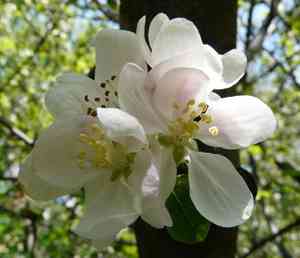
This leafy tree is renowned for its aromatic flowers and palatable produce. Essential trimming methods involve reducing densely packed limbs and eliminating lifeless or ailing timber to foster apple's well-being and yield. The ideal time for pruning is in late winter prior to the onset of spring development. Particular points to remember include executing precise cuts at a 45-degree incline to avert moisture buildup and illness. Trimming additionally sculpts the tree, boosts solar exposure, and betters air movement throughout the crown.
What Are the Benefits of Pruning Apple?
What Are the Benefits of Pruning Apple?
Trimming apple encourages a more plentiful harvest by fostering robust growth and vigor. It ensures the plant maintains a good form, improving both yield and appearance, while helping to deter illnesses and pests.
What Is the Best Time for Pruning Apple?
What Is the Best Time for Pruning Apple?
Pruning apple during late winter is considered ideal because it allows cuts to mend rapidly without the risk of frost damage that can occur if trimmed too early in the winter. It also prevents potential disease and insect issues that are more common in warmer weather. Trimming before spring growth ensures the plant's energy is directed towards producing healthy new growth and developing fruit. During this period, the absence of leaves also offers better visibility, making it simpler to identify which branches to prune for maintaining a strong structure and good air circulation within the canopy, crucial for reducing disease risks.
What Tools Do I Need to Prune Apple?
Hand Pruners
Perfect for cutting small branches and twigs on apple, hand pruners should be ergonomically designed for comfort and feature sharp, high-quality blades to ensure clean cuts and prevent disease.
Loppers
These are essential for reaching higher branches and cutting through thicker stems (up to 2 inches in diameter) that hand pruners cannot manage, thereby promoting healthy growth and fruit production in apple.
Pruning Saws
When branches exceed the cutting capacity of loppers, a pruning saw with a curved blade is indispensable for making precise cuts on apple, especially for mature trees with thicker branches.
Pole Pruners
For higher branches that are out of reach, pole pruners with adjustable lengths can be used to maintain the shape and health of apple without needing a ladder, enhancing safety.
Orchard Ladder
For larger apple, an orchard ladder is designed to be stable on uneven ground, providing secure access to high branches during the pruning process.
Pruning Shears
Suitable for shaping and thinning apple saplings or water sprouts, these allow for selective pruning of unwanted growth to improve air circulation and sunlight penetration.
How to Prune Apple
Step1: Structural Inspection and Deadwood Identification
Examine apple during dormancy in late winter for overall structure and pinpoint dead branches, suckers, and watersprouts that require trimming.
Step2: Pruning Shear Sterilization
Sanitize your pruning shears with a solution of 1 part bleach to 9 parts water to prevent the spread of disease.
Step3: Dead Branch Removal
Begin with dead branches, cutting them at their base where they meet healthy wood. Use clean, angled cuts to promote healing and avoid disease entry.
Step4: Sucker Trimming
Locate suckers, which are vigorous vertical shoots that grow from the roots or base of apple. Cut these suckers flush with the trunk or below the soil surface.
Step5: Watersprout Cutting
Find waterspouts, which are straight, fast-growing shoots typically growing from branches at an upward angle. Remove them by cutting at their base where they meet the branch, ensuring no stubs are left.
Step6: Canopy Balancing and Inspection
After removing dead branches, suckers, and watersprouts, inspect apple to ensure a balanced, open canopy that allows light penetration and air circulation.
Step7: Pruning Debris Disposal
Dispose of all removed plant material away from apple, as it can harbor pests or diseases.
Step8: Post-Pruning Tool Sterilization
Clean and sterilize your pruning tools again after completing the trimming to prevent the transfer of potential diseases to other plants.
Step9: Post-Pruning Plant Monitoring
Monitor apple for signs of stress or disease after pruning and take appropriate measures if necessary.
Post-Pruning Care for Apple
Post-Pruning Care for Apple
Immediately after pruning apple, disinfect wounds with a suitable sealant to prevent disease entry. Manage light exposure to promote photosynthesis without scorching; apple thrives under full sun conditions. Maintain consistent humidity and avoid temperature extremes. Implement balanced fertilization to replenish nutrients, favoring a slow release formula. Monitor for wilting or discolored foliage as stress indicators. If signs of infection, such as oozing or cankers, appear, treat promptly with an appropriate fungicide or bactericide. Regular inspection will ensure apple's robust recovery and growth.
Common Pruning Mistakes with Apple
Over-pruning and Plant Shock
Trimming too much at once can shock apple, potentially leading to reduced fruit production or even plant death.
Improper Cuts Damaging the Collar
Making cuts too close to the trunk can damage apple's collar, hindering proper healing and leaving the tree susceptible to disease.
Leaving Stubs that Attract Disease
Leaving stubs after cuts results in dead branches that can harbor disease and pests, which are detrimental to apple's health.
Unfocused Pruning Harms Tree Structure
Pruning without a clear goal, such as removing dead wood or shaping the tree, may result in a lack of focus that can harm the tree's structure.
Tool Sanitization to Prevent Disease
Neglecting to sanitize pruning tools before and after use can spread diseases from infected plants to healthy ones, affecting apple's vitality.
Ignoring Natural Growth in Pruning
Not taking into account the natural growth habit of apple may lead to inappropriate cuts that hinder the plant's development.
Common Pruning Tips for Apple
Use Sharp, Clean Tools for Pruning
Always use sharp, clean tools to make precise cuts that heal quickly, minimizing stress and disease entry on apple.
Remove Dead or Damaged Branches First
Focus on removing dead, diseased, or damaged branches first to preserve apple's health and direct growth energy toward healthy limbs.
Preserve Natural Shape and Airflow
Maintain the natural shape of apple by selectively pruning to enhance sunlight penetration and air circulation within the canopy.
Angle Cuts for Outward Growth and Drainage
Cut above a bud facing the outside of the plant to encourage outward growth, making sure the angle of the cut allows water to run off.
Balance Structure when Thinning Branches
When thinning out dense branches, aim to retain a balanced structure without over-thinning, which allows for strong scaffold branches to support fruit weight.
Proper Cutting Technique Near Branch Collar
Avoid cutting into the branch collar to promote better healing; instead, cut just beyond this area while still making cuts close enough to prevent stubs.



