Apple(Malus pumila)

Apple (Malus pumila)

Also known as: Apple tree, Eating apple

Apple cultivation is widespread globally, making it one of the most significant tree fruits. In 2017, the leading apple producers were China, the United States, and Poland. China's production was the highest, substantially boosting its agricultural economy. In the U.S., the apple industry generated around $3.5 billion in farm-gate revenue. Poland also played a major role in apple production, especially within Europe. Globally, there are over 7,500 apple varieties, reflecting the fruit's extensive cultivation and economic importance.

Attributes of Apple

Lifespan
Perennial
Plant Type
Tree
Plant Height
2 m to 15 m
Spread
4.5 m to 9 m
Leaf Color
Green
Flower Size
3 cm to 4 cm
Flower Color
White Pink

ForwardPlant - Identify plants with a snap

Identify and diagnose plants, get toxicity alerts, and explore safety guides for all types of fungi.

Try for Free

Images of Apple

Apple(Malus pumila)
Apple(Malus pumila)

Quickly Identify Apple

1
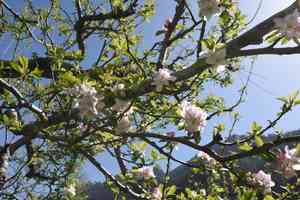
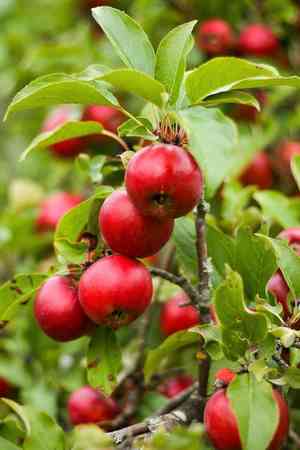
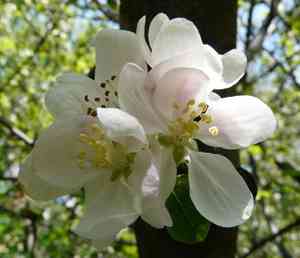
To identify Malus pumila, look for its rounded leaves with serrated edges, showy pink-to-white flowers with five petals, and globular, multi-colored fruits, predominantly red, yellow, or green.

Scientific Classification of Apple

Phylum
Vascular plants
Class
Dicotyledons
Order
Roses, elms, figs, and allies
Family
Rose
Genus
Malus
Species
Apple

Planting and Growing of Apple

Care Difficulty
Easy
Watering Schedule
Every 4 days
Sunlight Requirements
Full sun
Sunshine Duration
6-8 hours
Ideal Temperature
60-75℉
Soil Type
Potting Mix, Peat Mix
Soil pH
6-7
Fertilizer Type
Balanced
Pruning Season
Spring, Summer
Pruning Area
Branches, Leaves
Pruning Frequency
2 times a year
Repotting Season
Spring
Pot Type
Plastic, Ceramic

water icon How to Water Apple?

For Malus pumila, an appropriate watering amount should ensure that the soil is moist but not waterlogged. Aim for 500 ml per session, enough to penetrate the root zone but not to pool around the plant. Always consider the weather and soil drainage when determining exact quantities.
What are the symptoms of an underwatered Apple?
What should I do if my Apple is not getting enough water?
What are the symptoms of an overwatered Apple?
How to save an overwatered Apple?
More About Watering Techniques

sunlight icon What Are the Sunlight Requirements for Apple?

Sunlight Requirements: Full sun, Partial sun
Duration of light: 6 to 8 hours daily
Malus pumila flourishes with full sun exposure, ideally six to eight hours a day. The intense light fosters vigorous growth, enhances photosynthesis, and encourages an abundant yield of delicious apples.
How much light does Malus pumila need?
What happens if Malus pumila lacks sunlight?
How to ensure proper sunlight exposure for Malus pumila?
More About Sunlight Requirements Techniques

temperature icon What Is the Ideal Temperature Range for Apple?

Ideal Temperature: 60 ~ 75℉
The ideal temperature range for Malus pumila, or the common apple tree, is between 60°F and 75°F. This range provides optimal conditions for photosynthesis, growth, and fruit production. Within this temperature range, the plant can maximize energy generation, leading to healthy development and optimal yield. Maintaining this temperature ensures that the plant's metabolic processes function efficiently and that it does not experience thermal stress.

soil icon What Soil is Best for Apple?

Soil type: Loam, Sandy loam
Soil PH: 6 ~ 7
Malus pumila thrives in well-drained soil, ensuring the roots do not sit in water, which can lead to root rot. Adequate drainage supports healthy root development and optimizes nutrient uptake, crucial for fruit production. This plant benefits from a nutrient-rich medium that supports its growth needs. Regular addition of organic matter like compost enriches the soil, providing essential nutrients that lead to robust growth and fruit yield. While Malus pumila prefers well-drained soil, it also benefits from moderate moisture retention, which ensures consistent water availability without risk of drought stress, crucial during dry spells and peak growing seasons. More About Soil

fertilize icon How to Fertilize Apple?

Fertilizer type: Balanced
For Malus pumila, or the common apple tree, the amount of fertilizer depends on several factors including the tree's age and soil conditions. Generally, a mature tree requires about one pound of nitrogen per year, spread over multiple applications. Young trees require less, starting from a half pound gradually increasing as they age. It’s crucial to evenly distribute this quantity to avoid any sudden nutrient surges, which could damage the roots or lead to excessive leaf growth at the expense of fruit production. More About Fertilizing Techniques

prune icon How to Prune Apple?

Pruning Time: Spring, Summer, Autumn, Winter
Before starting, examine the overall structure of the tree. Identify dead, damaged, or diseased branches and plan your cuts. Always aim to create an open canopy structure to maximize light penetration. Start by removing any suckers or water sprouts as these take energy away from fruit-bearing branches. Cut these back to the base of the trunk or the main branch. Selectively remove branches that are crossing or growing inward. Choose to keep branches that grow outward and have strong angles. This will enhance air circulation and prevent fungal diseases. Topping should be avoided as it leads to weak growth. Instead, focus on trimming the tips to encourage a balanced shape and more fruit buds. Aim to maintain a strong central leader if your apple tree naturally grows with one. More About Pruning Techniques

propagate icon How to Propagate Apple plant?

Propagate Time: Spring, Early spring, Late spring
1
Gather ripe Malus pumila fruits, extract the seeds, and clean them thoroughly to remove any pulp. Let the seeds dry before sowing to prevent mold or decay.
2
Select healthy branches and use pruning shears to take cuttings of about 6-8 inches in length. Remove leaves from the lower half to reduce transpiration and dip ends in rooting hormone.
3
Choose compatible rootstock and scion wood. Make clean cuts on both parts to facilitate the cambial contact required for successful graft union.
More About Propagating Techniques

repot icon How to Repot Apple plant?

Repotting frequency: Every 2-3 years
1
Repot your Malus pumila when the roots outgrow the pot, or the soil has become compacted and drains poorly. Early signs to watch for include roots growing out of the drainage holes or a noticeable slowdown in growth. Ideally, aim to repot in the early part of Spring or during Autumn, allowing the plant to establish itself before extreme weather conditions.
2
Select a pot that is 2-3 inches larger in diameter than the current one. It should have sufficient drainage holes to prevent water logging, which can lead to root rot. A slightly wider pot encourages the tree's root system to spread out more evenly, providing better support and access to nutrients.
3
Use a well-draining loam-based soil that retains enough moisture without becoming waterlogged. A good balance of organic matter will provide necessary nutrients, while components like sand and perlite ensure proper aeration and drainage, promoting healthy root development.

ForwardPlant - Identify plants with a snap

Find the best spots for them to optimize their health, simply using your phone.

Try for Free

Toxicity of Apple

Is Apple toxic to cat?

Apples are harmful to cats. Cats can be exposed to toxins if they accidentally consume various parts of the apple plant, including the fruits, leaves, and seeds, which are all hazardous. Ingesting these components may result in physical discomfort or health issues. If you suspect that your cat has ingested any part of an apple, it is crucial to take them to a veterinary clinic immediately to avert potential serious health consequences.

Is Apple toxic to dog?

Apples are deemed toxic for dogs. If a dog accidentally ingests this plant, it could suffer from poisoning. The parts of the apple that are hazardous include the fruits, leaves, and seeds. Upon consuming apple components, dogs may display a range of symptoms signifying poisoning. It is essential for dog owners to keep a close watch on their pets and restrict their access to these parts of the plant. Should a dog consume any portion of an apple, it is vital to seek prompt medical attention at a veterinary clinic to safeguard the pet’s health and well-being.

Identify toxic plants for your safety

Learn which plants are harmful to you and your pets, and make informed choices for a safer home!

Try for Free
WARNING
The judgment on toxicity and danger is for reference only. We DO NOT GUARANTEE any accuracy of such judgment. Therefore, you SHALL NOT rely on such judgment. It is IMPORTANT TO SEEK PROFESSIONAL ADVICE in advance when necessary.
More About Toxic Techniques