How to Transplant Chinese Crab Apple?
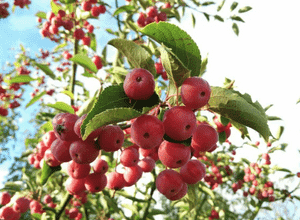
To successfully relocate your chinese Crab Apple, opt for the period from early to late spring, or from mid to late autumn, as these times facilitate rapid root development. Pick a site featuring adequately drained earth and exposure to full or partial sunlight. Ensure regular watering following the transplant to foster robust initial growth.
What Preparations are Needed Before Transplanting Chinese Crab Apple?
What is the Ideal Time for Transplanting Chinese Crab Apple?
The optimal period to relocate chinese Crab Apple is from early spring to late spring, and again from mid-autumn to late autumn. This timing allows the young tree to establish its root system before the intense summer heat or the onset of winter frost, significantly boosting its chances of survival. Its vibrant blooms make the effort worthwhile! So, let's get started with your transplanting preparations!
How Much Space Should You Leave Between Chinese Crab Apple Plants?
For relocating your beautiful chinese Crab Apple, an optimal spacing of 15-25 feet (4.6-7.6 meters) between individual plants is recommended. This ensures adequate growth and an attractive display in your garden!
What is the Best Soil Mix for Chinese Crab Apple Transplanting?
Prepare soil that drains well, with a pH ranging from slightly acidic to neutral (5.5-7.0). Incorporate compost or other organic materials to boost fertility. Adding a slow-release, balanced fertilizer during planting will support your chinese Crab Apple's development.
Where Should You Relocate Your Chinese Crab Apple?
Select a site that receives full sun to partial shade, ideally 6-8 hours of direct sunlight daily. This will provide your chinese Crab Apple with the perfect conditions to thrive and produce beautiful blooms!
What Equipments Should You Prepare Before Transplantation Chinese Crab Apple?
Gardening gloves
To protect your hands while handling soil and the plant.
Shovel or Spade
Aids in excavating the ground and moving the plant.
Watering can
For uniformly hydrating the plant, encouraging its growth.
Organic compost
Enhances soil fertility, improving conditions for root development.
Garden fork
Helps to loosen the earth around the plant in its original spot.
Transplant trowel
Useful for lifting the plant with its root system intact.
Pruning shears
Used for trimming the plant as needed, both before and after relocation.
Garden hose or bucket
For thoroughly watering the plant after it has been transplanted.
How Do You Remove Chinese Crab Apple from the Soil?
How Do You Remove Chinese Crab Apple from the Soil?
From Ground: Hydrate the chinese Crab Apple plant to moisten the surrounding soil. Next, use a garden fork to gently loosen the earth around the plant, being careful not to harm the root ball. Dig a circular trench with a shovel or spade around the plant, allowing ample space for the roots. Carefully pry beneath the root ball with your digging tool and lift the plant cautiously.From Pot: If chinese Crab Apple is in a container, water it thoroughly until water drains from the bottom. This softens the soil, making it easier to work with. Turn the pot on its side, hold the plant at its base, and gently try to slide it out. If the plant is stuck, tap the sides of the pot to dislodge it.Seedling Tray: If chinese Crab Apple is a seedling in a tray, water it first. Use a transplant trowel to carefully lift it from the tray, ensuring you retrieve as many roots as possible and minimize stem damage.
Step-by-Step Guide for Transplanting Chinese Crab Apple
Prepare Ground
Begin by digging a hole at the new site that is approximately twice the width of the chinese Crab Apple's root ball and the same depth as its original planting. A wide hole allows roots ample room to spread and grow.
Add Compost
Incorporate a layer of organic compost at the base of the hole to enrich the soil's fertility for the chinese Crab Apple plant.
Place the Plant
Position chinese Crab Apple in the center of the hole, ensuring the top of the root ball is level with the ground surface. Gently spread out the roots to encourage outward growth.
Backfill the Hole
Refill the hole with the original soil, gently firming it around the base of the chinese Crab Apple plant. Maintain the stem's base at the soil surface level.
Water Thoroughly
Use a garden hose or a bucket to deeply and thoroughly water chinese Crab Apple after transplanting. This helps settle the soil and improves root-to-soil contact.
How Do You Care For Chinese Crab Apple After Transplanting?
Mulch
Apply a layer of organic mulch around the base of the chinese Crab Apple plant, but keep it from touching the stem. This helps retain soil moisture and reduces competition from weeds.
Pruning
Light trimming can help the chinese Crab Apple plant prioritize root establishment in its new location. Use pruning shears for this, but avoid aggressive pruning to prevent stressing the plant.
Watering
While chinese Crab Apple is establishing, ensure it receives sufficient water. This does not mean waterlogging the plant, as excessive water can hinder its growth. A thorough watering immediately after transplanting, followed by regular watering to keep the soil moist, should be adequate.
Troubleshooting Common Issues with Chinese Crab Apple Transplantation.
When would be the best time to transplant chinese Crab Apple?
Ideally, you should relocate chinese Crab Apple from early to late spring or mid-fall to late fall. Timing is critical!
How far apart should I plant chinese Crab Apple if I'm transplanting multiple?
To ensure adequate space for growth, each chinese Crab Apple should be planted 15-25 feet (4.5-7.5m) apart.
What is the best way to prepare the transplant hole for chinese Crab Apple?
Dig a hole three times the width of your chinese Crab Apple's root system and the same depth. This allows the roots to spread easily.
How much water should I provide following the transplanting of chinese Crab Apple?
Water thoroughly after planting, ensuring moisture reaches the root zone of chinese Crab Apple. Regularly check the soil to prevent over or under-watering.
Should I prune chinese Crab Apple during transplanting?
Light pruning of broken or dead branches is acceptable. However, avoid heavy pruning during the transplanting phase to prevent additional stress.
Should I fertilize chinese Crab Apple immediately after transplanting?
No need to rush! Wait a few weeks until chinese Crab Apple is well-established before fertilizing. Over-fertilizing can cause harm.
What kind of soil does chinese Crab Apple prefer for successful transplanting?
Chinese Crab Apple thrives in well-draining, fertile soil. If necessary, amending the soil with compost can help improve its quality and drainage.
How deep should the chinese Crab Apple be planted?
Chinese Crab Apple should be planted at the same depth it was growing previously. Planting too deep can lead to slow growth or even plant death.
What type of care does chinese Crab Apple require after being transplanted?
Keep the soil consistently moist, provide proper spacing, and protect it from harsh weather. Regular checks for pest infestations are also crucial.
What if the transplanted chinese Crab Apple shows signs of wilting or leaves turning yellow?
This could indicate transplant shock. Keep it well-watered but avoid waterlogging the soil. If the issue persists, consult a local nursery or arborist.



