Chinese Crab Apple(Malus hupehensis)

Chinese Crab Apple (Malus hupehensis)

Also known as: Hupeh Crab

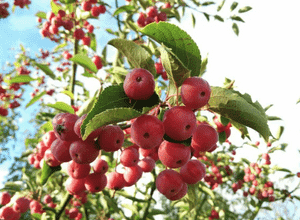
Malus hupehensis, known as the Hupeh crab or tea crabapple, is a deciduous tree native to China. It produces bright red, cherry-sized crab-apples.

Attributes of Chinese Crab Apple

Lifespan
Perennial
Plant Type
Shrub
Plant Height
8 m
Spread
7 m
Leaf Color
Green
Flower Size
3.5 cm to 4 cm
Flower Color
White Pink

ForwardPlant - Identify plants with a snap

Identify and diagnose plants, get toxicity alerts, and explore safety guides for all types of fungi.

Try for Free

Images of Chinese Crab Apple

Chinese Crab Apple(Malus hupehensis)

Quickly Identify Chinese Crab Apple

1
Vase-shaped, arching form.
2
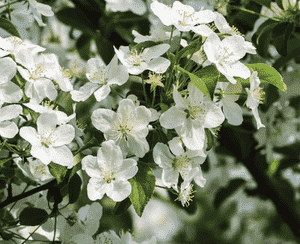
Deep pink buds unfurl into fragrant white flowers.
3
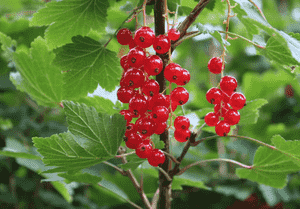
Fruits transition from greenish-yellow to rich red.
4
Leaves display purplish hue when young, turning yellow and copper in fall.
5
Smooth, glossy leaves with serrated margins and pinnate vein pattern.

Scientific Classification of Chinese Crab Apple

Phylum
Vascular plants
Class
Dicotyledons
Order
Rosales
Family
Rose
Genus
Malus
Species
Chinese Crab Apple

Planting and Growing of Chinese Crab Apple

Care Difficulty
Easy
Watering Schedule
Every 2 days
Sunlight Requirements
Full sun
Sunshine Duration
6-10 hours
Ideal Temperature
60-75℉
Soil Type
Potting Mix, Peat Mix
Soil pH
6.5-7.5
Fertilizer Type
Balanced
Pruning Season
Spring, Summer
Pruning Area
Branches, Leaves
Pruning Frequency
2 times a year
Repotting Season
Spring
Pot Type
Plastic, Ceramic

water icon How to Water Chinese Crab Apple?

The Malus hupehensis, or the Chinese crabapple, requires a watering amount of about 500 milliliters per session. The key is to ensure the root zone is adequately soaked but not waterlogged. You should allow the soil surface to dry between waterings.
What are the symptoms of an underwatered Chinese Crab Apple?
What should I do if my Chinese Crab Apple is not getting enough water?
What are the symptoms of an overwatered Chinese Crab Apple?
How to save an overwatered Chinese Crab Apple?

sunlight icon What Are the Sunlight Requirements for Chinese Crab Apple?

Sunlight Requirements: Full sun, Partial sun
Duration of light: 6 to 8 hours
Malus hupehensis flourishes under full to partial sun exposure, benefiting from 6 to 8 hours daily. This optimizes chlorophyll production, enhances growth, and boosts flower set and fruit yield.
How much sunlight does Malus hupehensis need?
What solutions ensure ideal light for Malus hupehensis?
What benefits does ideal lighting offer?
More About Sunlight Requirements Techniques

temperature icon What Is the Ideal Temperature Range for Chinese Crab Apple?

Ideal Temperature: 60 ~ 75℉
The ideal temperature range for Malus hupehensis, also known as the Chinese crab apple, is between 60°F to 75°F. These temperatures offer optimal conditions for growth, allowing adequate root development and maintaining vigor in foliage. At this range, the plant can perform photosynthesis efficiently and maintain healthy cellular processes.

soil icon What Soil is Best for Chinese Crab Apple?

Soil type: Loam, Sandy loam
Soil PH: 6.5 ~ 7.5
Malus hupehensis thrives in nutrient-rich soils that provide essential minerals for healthy growth. Ensuring the soil is fertile enhances fruit production and overall vigor. This plant prefers well-drained soils to prevent root rot and other water-logging issues. Proper drainage allows for optimal root aeration and nutrient uptake. Maintaining moderate soil moisture is ideal for Malus hupehensis. Consistent moisture availability supports continuous growth while avoiding drought stress.

fertilize icon How to Fertilize Chinese Crab Apple?

Fertilizer type: Balanced
For Malus hupehensis, the amount of fertilizer should be moderate. Use about 150 grams of a balanced fertilizer like 10-10-10 per mature tree per year. For young trees, reduce this to about 75 grams. Always follow the manufacturer's instructions on the fertilizer package for best results.

prune icon How to Prune Chinese Crab Apple?

Pruning Time: Spring, Summer
Start by identifying any dead or diseased wood and remove these completely. Next, look for branches that cross or rub against each other and eliminate the weaker of the two. Always make cuts just above a good outward-facing bud. Thin out the central area of the tree to allow more light to reach the interior. Strive for a balanced shape, leaving a more open structure that tapers naturally towards the top. After pruning, ensure the tree is adequately watered as it begins to leaf out to support new growth. Consider applying a balanced fertilizer during the growing season to bolster recovery and encourage robust fruiting and flowering. More About Pruning Techniques

propagate icon How to Propagate Chinese Crab Apple plant?

Propagate Time: Spring, Early spring
1
To propagate via seeds, collect ripe fruit and extract the seeds. Clean them thoroughly and allow them to dry before storage or sowing.
2
Select healthy branches and use pruners to cut sections of about 10-15 cm. Remove any leaves from the lower part to prepare for planting.
3
For grafting, select a healthy rootstock and a compatible scion. Use a grafting knife to make a clean cut on both, and join them securely using grafting tape.
More About Propagating Techniques

repot icon How to Repot Chinese Crab Apple plant?

Repotting frequency: Every 2-3 years
1
Malus hupehensis shows signs of needing repotting when its roots start to circle the pot or protrude from the drainage holes, and when you notice a decline in growth or flowering. The ideal time to repot is during the spring or autumn, when the plant is not in active growth, reducing stress and allowing for better establishment in its new pot.
2
Select a pot that is 1 to 2 inches larger in diameter than the current one, with adequate drainage holes to prevent waterlogging. The material should be durable yet lightweight, such as plastic or ceramic, to protect the roots while allowing for easy relocation if needed. A larger pot promotes root expansion, supporting healthier growth.
3
Opt for a loamy, well-draining soil mix, enriched with organic matter to provide necessary nutrients. The soil should retain moisture yet drain efficiently, preventing root rot while supporting healthy root development. This kind of soil offers a balanced mixture of aeration, drainage, and nutrient content, promoting robust plant health.

ForwardPlant - Identify plants with a snap

Find the best spots for them to optimize their health, simply using your phone.

Try for Free

Toxicity of Chinese Crab Apple

Is Chinese Crab Apple toxic to cat?

The Chinese Crab Apple presents a slight toxicity risk to cats and can be especially harmful if they consume the seeds in significant quantities. Cats that chew on these seeds may show symptoms of physical unease or distress. In these situations, it is vital to seek immediate veterinary care to address possible health issues. Pet owners should make sure to promptly clean up any fallen parts of the Chinese Crab Apple that could be within a cat's reach, to avert any accidental ingestion.

Is Chinese Crab Apple toxic to dog?

The Chinese Crab Apple presents a low-level toxicity concern for dogs. Although the plant is not considered highly toxic, consuming significant amounts, especially the seeds, can result in poisoning for dogs. Pet owners should be attentive, as dogs may ingest these parts either out of curiosity or inadvertently. Signs of poisoning from the Chinese Crab Apple may encompass gastrointestinal disturbances, including vomiting and diarrhea. If a dog shows these symptoms following the consumption of any part of the Chinese Crab Apple, it is vital to seek prompt veterinary assistance to ensure appropriate treatment and recovery for their well-being.

Identify toxic plants for your safety

Learn which plants are harmful to you and your pets, and make informed choices for a safer home!

Try for Free
WARNING
The judgment on toxicity and danger is for reference only. We DO NOT GUARANTEE any accuracy of such judgment. Therefore, you SHALL NOT rely on such judgment. It is IMPORTANT TO SEEK PROFESSIONAL ADVICE in advance when necessary.
More About Toxic Techniques