How to Prune Chinese Crab Apple?
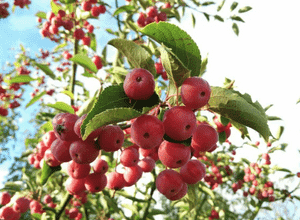
The chinese Crab Apple, a deciduous fruit tree recognized for its striking spring flowers and decorative fruits, thrives with consistent trimming to preserve its vitality and form. Essential methods involve reducing congested branches, eliminating suckers, and shortening older boughs to stimulate fresh development. The most effective time for pruning is in early spring, right before blooming, to prevent the removal of prospective flowers. Pruning optimizes fruit dimensions, improves air movement, and lowers the chance of illness in chinese Crab Apple.
What Are the Benefits of Pruning Chinese Crab Apple?
What Are the Benefits of Pruning Chinese Crab Apple?
Trimming chinese Crab Apple promotes vigorous development and maintains its desired form. It ensures the plant directs energy to thriving sections, supporting a robust life cycle and an appealing shape.
What Is the Best Time for Pruning Chinese Crab Apple?
What Is the Best Time for Pruning Chinese Crab Apple?
Trimming chinese Crab Apple in early spring is considered ideal because this timing allows gardeners to remove any dead or diseased wood that may have occurred over the winter without impacting the new growth. Additionally, it enables the plant to heal quickly from pruning cuts, as the energy reserves are used for spring growth and wound closure. It also avoids disrupting the flowering or fruiting periods, as chinese Crab Apple often blooms in spring and fruits later in the season. Pruning at this time ensures that the plant maintains a healthy structure and productive fruiting without sacrificing its ornamental display.
What Tools Do I Need to Prune Chinese Crab Apple?
Hand Pruners
Perfect for making accurate cuts on smaller branches of chinese Crab Apple, typically involving branch diameters under 1/2 inch. Bypass pruners are recommended for clean cuts without harming plant tissues.
Loppers
Suitable for cutting thicker branches, usually up to 2 inches in diameter. Their long handles provide leverage to prune branches of chinese Crab Apple that are too thick for hand pruners.
Pruning Saw
Essential for branches over 2 inches in diameter. A pruning saw makes clean cuts through thick branches and limbs of chinese Crab Apple without causing damage to the rest of the tree.
Hedge Shears
Useful for shaping and thinning the outermost growth when chinese Crab Apple is grown as part of a hedge or for a dense foliage effect. However, for general pruning, bypass pruners or loppers are preferred.
Pole Pruner
Allows for the safe trimming of high branches without the use of a ladder. It’s beneficial for reaching into the canopy of a mature chinese Crab Apple tree.
Gloves
To protect hands from scratches and ensure a better grip on the tools while pruning chinese Crab Apple.
Safety Glasses
To shield eyes from debris and wood particles when pruning chinese Crab Apple.
How to Prune Chinese Crab Apple
Step1: Optimal Pruning Time Determination
Identify the best time to prune chinese Crab Apple, which is late winter or early spring before new growth begins but after the coldest weather has passed. This timing helps to reduce stress on chinese Crab Apple and prevents diseases from entering the cuts.
Step2: Dead Wood Identification and Removal
Inspect chinese Crab Apple for dead wood. Dead branches can be identified by their brittle, dry nature, and lack of green living tissue when scraped. Remove these branches to maintain health and vigor of chinese Crab Apple.
Step3: Diseased Branches Pruning
Prune all diseased branches to prevent the spread of disease within chinese Crab Apple. Look for branches with unusual coloration, growths, or a canker and make cuts at least several inches into healthy wood beyond the diseased area.
Step4: Weak Stem Removal for Plant Health
Locate any weak stems on chinese Crab Apple that show signs of poor attachment, narrow crotch angles, or that are overly thin and spindly. Weak stems are more likely to break in wind or heavy fruit loads, and their removal will promote stronger growth.
Step5: Proper Pruning Cuts Technique
Make all cuts at a 45-degree angle, about 1/4 inch above outward-facing buds or branches. This encourages outward growth, preventing congestion in the center of chinese Crab Apple and promoting better air circulation, which reduces disease risk.
Step6: Three-Cut Method for Large Branches
For larger branches, use the three-cut method to avoid tearing the bark. First, cut halfway through the branch from the underside, about a foot from the trunk. Then, cut downward from the top a few inches farther out to remove the branch. Finally, make a clean cut outside of the branch collar, the swelling at the base of the branch, to remove the stub.
Step7: Canopy Thinning for Light and Air Circulation
Thin out the canopy of chinese Crab Apple to allow light to penetrate and air to circulate throughout the tree. Selectively remove some of the older, larger branches back to their point of origin or to a lateral branch that is at least one-third the diameter of the branch being removed.
Step8: Pruning to Maintain Natural Plant Shape
Maintain the natural shape of chinese Crab Apple while pruning. Avoid over-pruning or shaping chinese Crab Apple into unnatural forms as this can stress the plant and lead to reduced health and flowering.
Step9: Sterilization of Pruning Tools
Sterilize your pruning tools before and after use to prevent the spread of disease. Use a solution of one part bleach to nine parts water or 70% isopropyl alcohol to disinfect your tools.
Step10: Disposal of Pruning Debris
Dispose of all removed dead wood, diseased branches, and weak stems properly. Do not compost diseased materials; instead, bag them and discard them with household trash to prevent the spread of disease organisms in your garden.
Post-Pruning Care for Chinese Crab Apple
Post-Pruning Care for Chinese Crab Apple
Immediately after pruning chinese Crab Apple, sanitize the cut areas to prevent infections. Optimize light exposure, ensuring chinese Crab Apple has access to full sun while protecting it from harsh midday rays. Maintain humidity levels to prevent stress, avoiding over-wetting which can foster disease. Adjust watering based on weather conditions, ensuring well-drained soil. Post-pruning, apply a balanced fertilizer to aid recovery. Regularly inspect chinese Crab Apple for signs of stress, like wilting or discoloration, and for infections. If symptoms appear, treat promptly with appropriate fungicides or pest control measures.
Common Pruning Mistakes with Chinese Crab Apple
Over-pruning in a single session
Trimming too much of the chinese Crab Apple at once, which can cause stress and reduce flowering potential.
Excessive removal of old growth
Removing too many old branches which can lead to loss of the main fruit-bearing structures.
Not sterilizing tools between cuts
Neglecting to sterilize pruning tools between cuts, which can spread disease to the chinese Crab Apple.
Improper cut angle and technique
Not making clean, angled cuts, leading to stubs that are more susceptible to pests and diseases.
Ignoring plant's natural growth structure
Failing to identify and preserve the growth framework consisting of healthy, well-placed branches.
Common Pruning Tips for Chinese Crab Apple
Use of clean, sharp tools for precise cuts
Use clean, sharp tools to make precise cuts, reducing the potential for injury to the chinese Crab Apple.
Prune following plant's natural form
Follow the natural shape of the chinese Crab Apple when pruning, to enhance its aesthetic and maintain its health.
Remove only diseased, damaged, or dead branches
Focus on removing diseased, damaged, or dead wood to prevent the spread of pathogens and improve air circulation.
Canopy thinning for growth and fruiting
Thin out the canopy by removing some older wood to promote new growth and better fruit production in subsequent seasons.
Balanced annual pruning for rejuvenation
Retain a balance of branch ages by annually pruning around a third of old growth to encourage continual rejuvenation.



