Enhancing Your Garden Design with the Chinese Crab Apple Plant: A Landscaping Guide
1
The Chinese Crab Apple provides continuous aesthetic appeal through its seasonal transformations.
2
Choosing an appropriate site for your Chinese Crab Apple is essential for its best development.
3
Incorporating the Chinese Crab Apple alongside suitable companion plants can improve your garden's overall harmony.
Introducing Chinese Crab Apple to Your Landscape
Overview of Chinese Crab Apple's beauty and charm
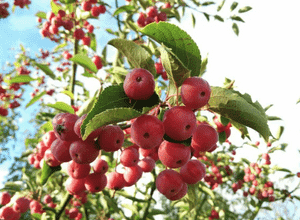
Chinese Crab Apple enhances any landscape with its graceful form and vibrant blooms. Its delicate spring flowers and colorful autumn fruits add dynamic visual interest to your garden. The unique branch structure provides an artistic touch, making it a focal point. Whether placed along paths or as a standalone feature, Chinese Crab Apple transforms outdoor spaces with its natural allure.
The seasonal transformations of Chinese Crab Apple and their visual impact
A key feature of Chinese Crab Apple is its seasonal changes, offering year-round appeal. In spring, it bursts with abundant flowers, attracting pollinators like bees and butterflies. Summer brings lush green foliage, a refreshing sight. In autumn, its leaves turn striking red or orange, accompanied by colorful fruits. Even in winter, the plant retains charm with its elegant, sculptural shape and textured bark.
Selecting the Best Spot for Chinese Crab Apple
Key considerations for optimal placement
The placement of Chinese Crab Apple in your garden greatly affects its health and visual appeal. Ensure the planting site gets ample sunlight, ideally six or more hours of direct sun daily. Chinese Crab Apple prefers well-draining soil, so avoid low-lying areas where water collects. Consider the plant's mature size when choosing a spot, allowing enough room for growth without crowding other plants. Proximity to paths or seating areas can boost its visibility and enjoyment.
How to evaluate your garden for Chinese Crab Apple planting
Before planting Chinese Crab Apple, assess your current landscape. Examine soil composition, drainage patterns, and existing plant life. Perform a soil test for nutrient and pH levels, ensuring they suit Chinese Crab Apple's growth. Observe sun movement across your garden to find the best light-receiving spots. Mapping your space helps integrate Chinese Crab Apple without disrupting the current design, ensuring a harmonious fit.
Pairing Chinese Crab Apple with Other Plants
Companion plants that complement Chinese Crab Apple
Combining Chinese Crab Apple with other plants can heighten its beauty and create a unified garden design. Consider companions like flowering shrubs and perennials that bloom simultaneously for a synchronized display. Plants such as hydrangeas, azaleas, and lavender enhance Chinese Crab Apple's blossoms and foliage. Ground covers like hostas or ornamental grasses can form a lush carpet beneath, improving the garden's overall aesthetic and ecological value.
Design suggestions for creating a unified garden
Crafting a harmonious garden involves more than just grouping plants; it requires careful planning and design. Use Chinese Crab Apple as a central feature, anchoring your design and drawing the eye. Repeating colors and textures from Chinese Crab Apple throughout your garden can unify the space. Balance taller plants with lower-growing ones to create layers and depth. Incorporate elements like garden benches, water features, or pathways to complement Chinese Crab Apple and make the area inviting and interactive.
Caring for Your Chinese Crab Apple
Routine care practices for health and appearance
Consistent care is vital for keeping Chinese Crab Apple healthy and attractive. Water regularly, especially during dry spells, ensuring the soil stays moist but not waterlogged. Apply mulch around the base to retain moisture and regulate soil temperature. Prune annually to maintain shape, remove dead or diseased wood, and encourage robust growth. Fertilize in early spring with a balanced formula to support vigorous blooming and fruiting.
Seasonal care routines
Each season brings specific needs for Chinese Crab Apple that, when met, ensure year-round vitality. In spring, focus on fertilizing and pruning to prepare for the growing season. Summer demands diligent watering and monitoring for pests or diseases. Autumn is ideal for mulching and applying any necessary treatments to strengthen Chinese Crab Apple for winter. During winter, less active care is required, but it's wise to check for cold weather damage and plan for the upcoming growing season.
Advantages of Chinese Crab Apple in Your Garden
Environmental benefits of including Chinese Crab Apple
Adding Chinese Crab Apple to your garden offers numerous environmental advantages. It supports local biodiversity by providing food and shelter for pollinators and birds. Its foliage naturally purifies the air, improving quality by capturing dust and pollutants. Additionally, the dense root system of Chinese Crab Apple helps prevent soil erosion, contributing to a stable and healthy landscape. Its presence enhances ecological balance and promotes a thriving garden ecosystem.
How Chinese Crab Apple can boost landscape diversity
Introducing Chinese Crab Apple to your garden increases diversity, which is crucial for a resilient landscape. Plant species diversity reduces the risk of pest and disease outbreaks by creating a more balanced environment. The varied structures, colors, and textures of Chinese Crab Apple contrast beautifully with other plants, enriching the visual and tactile experience of your garden. This variety also attracts a wider range of wildlife, fostering a dynamic and interactive garden space.



