How to Transplant Laurel sumac?
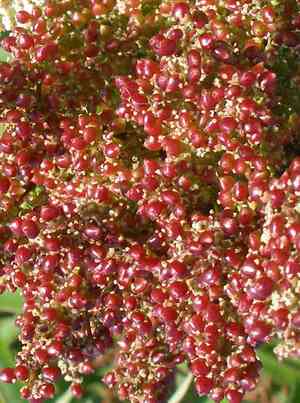
The optimal period for relocating laurel sumac is during the spring, as they thrive when temperatures are mild and daylight hours are extended. Select a bright location featuring soil that drains effectively. If desired, amend the site with compost to provide laurel sumac with a vigorous beginning.
What Preparations are Needed Before Transplanting Laurel Sumac?
What is the Ideal Time for Transplanting Laurel Sumac?
The optimal period for relocating laurel sumac is during the revitalizing season of spring. This timing provides perfect temperatures and moisture levels that support root establishment and growth, enhancing the success and vigor of laurel sumac. Choosing this season for the task ensures a smooth transition for laurel sumac, as it aligns with its natural growth cycle, leading to a strong and flourishing plant.
How Much Space Should You Leave Between Laurel Sumac Plants?
Ensure that when transplanting laurel sumac, you maintain ample distance between each specimen, ideally around 3-6 feet (0.9-1.8 meters). This spacing allows the plant's root system to expand and develop properly without competition.
What is the Best Soil Mix for Laurel Sumac Transplanting?
Laurel sumac thrives in well-drained soil, with a pH ranging from neutral to slightly acidic. Preparing the soil with a foundation of organic compost or a balanced slow-release fertilizer will create a healthy environment for root establishment.
Where Should You Relocate Your Laurel Sumac?
Select a location that receives full sun to partial shade for transplanting laurel sumac. It flourishes with ample sunlight, but can also endure partially shaded spots, allowing it to adapt easily to various garden conditions.
What Equipments Should You Prepare Before Transplantation Laurel Sumac?
Garden Trowel
This is your primary tool for excavating the appropriate hole for your laurel sumac.
Root Pruning Shears
These can be utilized to trim any damaged or excessively long roots.
Gardening Gloves
To safeguard your hands while handling the soil and plant.
Watering Can
Crucial for hydrating your laurel sumac once it has been relocated.
Compost
This will be blended with the original soil removed to create the planting hole.
How Do You Remove Laurel Sumac from the Soil?
How Do You Remove Laurel Sumac from the Soil?
From Ground: Begin by watering the laurel sumac plant to moisten the soil, which facilitates freeing the roots. Using your garden spade, dig a wide trench around the plant, leaving a sufficient buffer to minimize the chance of damaging the root ball. Once you have worked your spade beneath the root ball, it can be lifted from its original position, preserving as much of the root structure as possible.From Pot: Start by watering the laurel sumac plant so the soil is damp and not dry. Invert the pot while gently holding the base of the laurel sumac. If the plant doesn't release easily, shake the pot slightly to loosen it from the sides, but avoid pulling at the plant as it may harm the roots.From Seedling Tray: Ideally, transplant seedlings when the soil is moist. Push from the bottom of the tray cell to extract the laurel sumac seedling. Be careful not to tug on seedling stems.
Step-by-Step Guide for Transplanting Laurel Sumac
Check health
Start by assessing the plant's condition before moving it. It's advisable to postpone if it appears stressed or diseased. Illness or stress can diminish laurel sumac's transplanting success.
Digging the Hole
With your trowel, excavate a hole that is twice the width of the root ball and approximately the same depth. Mix some compost with the soil you've extracted from the planting hole.
Placing the Plant
Position the laurel sumac in the hole, ensuring that the top of the root ball is level with the soil surface. Backfill the hole with your compost-soil mixture, gently compacting soil around the root ball to ensure it's stable.
Watering
Fill the hole with water before adding the final soil layer. This helps to settle the soil and moistens the root area.
How Do You Care For Laurel Sumac After Transplanting?
Observation
It's vital to closely monitor your transplanted laurel sumac for several weeks. Watch for indications of transplant shock, which may include wilting foliage or a lack of new growth.
Mulching
A layer of mulch at the plant's base will help retain moisture and suppress weeds. Organic mulches can also enhance soil structure as they decompose.
Feeding
Later in the growth phase, consider providing your laurel sumac with a feed formulated for shrubs or trees. Avoid doing this immediately after transplanting as this might encourage leaf growth at the expense of root development.
Troubleshooting Common Issues with Laurel Sumac Transplantation.
When is the best time to transplant laurel sumac?
The optimal months to relocate laurel sumac are between early spring and late summer, which provide the plant with ample time to establish roots before the cold season.
How should I prepare the soil for laurel sumac's transplantation?
Ensure the soil is well-drained and enriched with organic matter. You can incorporate compost to boost soil fertility. The soil pH should be around 5.5-7.5.
What is the proper spacing for laurel sumac when transplanting?
Plant laurel sumac at intervals of 3-6 feet (approximately 1-1.8 meters). This spacing guarantees each plant receives sufficient sunlight and room to grow.
How frequently should I water laurel sumac after transplantation?
Initially, water laurel sumac daily. After it establishes, reduce watering frequency to once every 2-3 days. Always check the soil moisture before watering to prevent over-watering.
How deep should the hole be for transplanting laurel sumac?
The hole should be twice as wide and the same depth as the root ball of the laurel sumac. This allows the roots to spread easily, promoting healthy plant growth.
Do I need to fertilize laurel sumac post-transplant?
Yes, once laurel sumac has been planted, apply a slow-release fertilizer around the base of the plant. This supplies essential nutrients, fostering its growth and health.
What to do when leaves of laurel sumac start yellowing after transplantation?
Yellowing leaves may indicate overwatering or nutrient deficiency. Reduce watering and apply a balanced, slow-release fertilizer to help restore the plant's health.
How do I manage weed growth around my newly transplanted laurel sumac?
Proper spacing and a layer of mulch around your laurel sumac plant will help deter weed growth. You can also manually remove weeds, taking care not to disturb the roots of laurel sumac.
Why are the leaves of the laurel sumac wilting after transplantation?
Wilting can occur due to transplant shock. Ensure the plant is adequately watered, and the planting hole is not too deep, which can suffocate roots.
How to aid the recovery of laurel sumac from transplant shock?
Minimizing stress by maintaining adequate watering, applying a layer of mulch around the plant, and protecting it from severe weather conditions can help laurel sumac recover from transplant shock.



