How to Prune Laurel sumac?
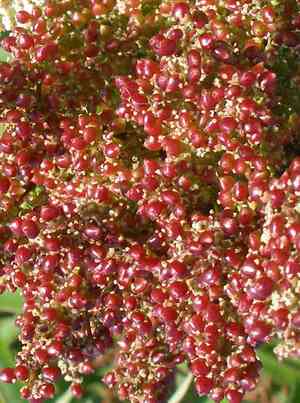
A local shrub recognized for its fragrant foliage and crimson branches, laurel sumac flourishes with infrequent trimming. Perform pruning in the colder months to preserve its form, eliminate deceased or compromised branches, and foster robust development. Judicious removal of mature stems stimulates revitalization. Trimming while the plant is inactive lessens the outflow of sap and the danger of illness. Consistent pruning improves air circulation and diminishes the probability of infestations and ailments, ensuring laurel sumac remains lively and robust.
What Are the Benefits of Pruning Laurel Sumac?
What Are the Benefits of Pruning Laurel Sumac?
Trimming laurel sumac promotes robust development and helps keep the plant's form tidy. Regular trimming eliminates old wood, encouraging new shoots for a fuller, healthier look.
What Is the Best Time for Pruning Laurel Sumac?
What Is the Best Time for Pruning Laurel Sumac?
Trimming laurel sumac from late winter to early spring allows for the removal of any damaged or diseased limbs before the plant allocates energy to new leaves. This timing aligns with laurel sumac's dormant phase, minimizing stress and sap loss. It also aids in maintaining the plant's structure and stimulates vigorous growth in spring, while avoiding disruption to the natural summer flowering cycle. Pruning during this period also offers the gardener an opportunity to assess the plant's framework without leaf obstruction.
What Tools Do I Need to Prune Laurel Sumac?
Hand Pruners
Given the moderate thickness of laurel sumac's branches, hand pruners are perfect for making clean cuts on smaller stems and branches, which encourages healthy regrowth. Opt for bypass pruners, as they make precise cuts and are less likely to harm the plant tissue.
Lopping Shears
Laurel sumac can have thicker branches that might need a tool with greater leverage. Lopping shears can cut through branches too thick for hand pruners, typically up to 1 and 1/2 inches in diameter. Their long handles provide the necessary leverage.
Pruning Saw
For mature laurel sumac with thicker branches exceeding the capacity of lopping shears, a pruning saw is essential. It is designed to cut through thick branches and limbs cleanly, minimizing damage and ensuring a healthy recovery for the plant.
Hedge Shears
If shaping is necessary for laurel sumac, especially for achieving a formal appearance, hedge shears are appropriate. They allow for the trimming of multiple small branches simultaneously and help maintain a neat, structured look.
How to Prune Laurel Sumac
Sanitize tools
Before trimming laurel sumac, clean and disinfect all cutting implements to prevent the spread of illness. Use a solution of one part bleach to nine parts water or a disinfectant recommended for gardening tools.
Identify parts
Examine laurel sumac thoroughly to locate dead or diseased branches. Look for branches that are discolored, have unusual growths, or are clearly dead and brittle.
Make cuts
Using sharp, sanitized pruning shears, make clean cuts to remove dead or diseased branches. Cut at a 45-degree angle, about a quarter inch above a live bud or branch junction, ensuring not to damage healthy tissue.
Disposal
Discard the removed dead or diseased branches immediately, away from healthy laurel sumac plants or compost to prevent the potential spread of disease.
Clean up
After trimming, clear the area around laurel sumac to remove any fallen debris. Clean and sanitize your tools once again to prevent carrying diseases to other plants.
Common Pruning Mistakes with Laurel Sumac
Overzealous pruning
Removing too much at once can stress laurel sumac, leading to poor growth or increased susceptibility to disease. It's crucial not to remove more than 20-30% of the growth in a single pruning session.
Improper cut locations
Incorrect cutting sites can result in damage to laurel sumac. Cuts should be made at a slight angle, just above outward-facing buds or branching points, to promote healthy regrowth.
Use of dull tools
Dull pruning tools can cause jagged cuts that are more prone to infection. Sharp, clean tools create smooth cuts that heal faster.
Neglecting sanitation
Failing to sanitize tools between uses on different plants can spread disease to laurel sumac. Clean cuts reduce the risk of transmitting pathogens.
Pruning healthy tissue
Unnecessarily cutting healthy branches can harm laurel sumac's natural shape and growth patterns. Focus on removing only dead, diseased, or overgrown branches.
Common Pruning Tips for Laurel Sumac
Selective pruning
Aim to selectively thin out crowded areas and remove any dead or diseased branches to maintain good air circulation and sunlight penetration, which are essential for laurel sumac's health.
Shape maintenance
Encourage laurel sumac's natural growth habit by pruning to maintain its round, mounding shape. This approach respects the plant's innate form and promotes a pleasing appearance.
Gradual rejuvenation
If laurel sumac requires rejuvenative pruning, perform this gradually over a few seasons to reduce stress on the plant. Stagger intensive pruning work to allow the plant time to recover.
Cutting technique
When removing larger branches, use the three-cut method to prevent bark tearing: make a notch on the underside of the branch away from the trunk, then cut down from the top above the notch, and finally cut the stub close to the trunk.
Post-pruning care
After pruning laurel sumac, ensure it receives proper care, such as adequate watering and mulching, to support recovery and new growth.



