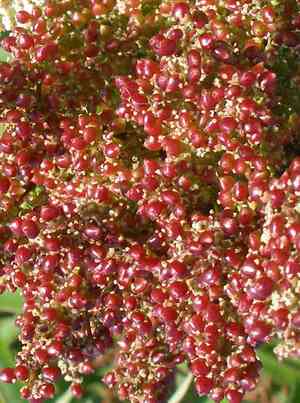
Laurel sumac (Malosma laurina)
Also known as: Laurel sumac
Laurel sumac is recognized by its small tree form and distinct taco shell-shaped leaves, which, when flattened, resemble laurel leaves. The plant features a reddish hue along its stems, leaf veins, and leaf edges throughout the year. Citrus growers find the presence of laurel sumac helpful as it signals frost-free areas with suitable conditions for establishing citrus orchards.
In This Article
Attributes of Laurel sumac
Lifespan
Perennial
Plant Type
Tree
Plant Height
3 m to 5 m
Spread
3 m to 4.5 m
Leaf Color
Green Red Bronze
Flower Size
2.5 cm
Flower Color
White Yellow Green
Images of Laurel sumac
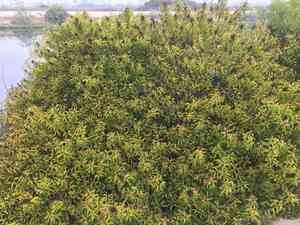
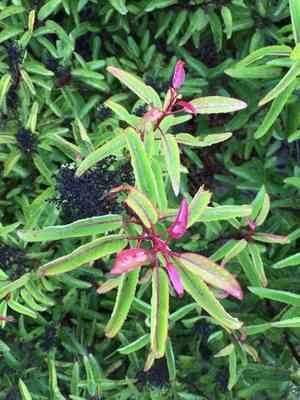

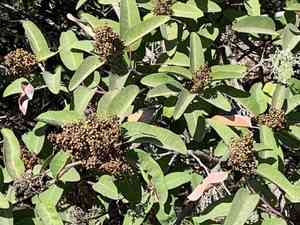
Quickly Identify Laurel sumac
1
Identify Malosma laurina by its lanceolate, glossy green leaves, which emit a strong aroma when crushed. The leaves are typically about 3-6 inches long. Additionally, it has reddish to purplish stems and clusters of small, white flowers that appear in the spring.
Scientific Classification of Laurel sumac
Phylum
Vascular plants
Class
Dicotyledons
Order
Sapindales
Family
Cashew
Genus
Laurel sumac
Species
Laurel sumac
Planting and Growing of Laurel sumac
Care Difficulty
Easy
Watering Schedule
Every 2 days
Sunlight Requirements
Full sun
Sunshine Duration
4-8 hours
Ideal Temperature
60-75℉
Soil Type
Potting Mix, Peat Mix
Soil pH
6.5-7.5
Fertilizer Type
Balanced
Pruning Season
Spring, Summer
Pruning Area
Branches, Leaves
Pruning Frequency
2 times a year
Repotting Season
Spring
Pot Type
Ceramic, Plastic
 How to Water Laurel sumac?
When watering Malosma laurina, it's vital to give it enough water so the soil remains moist but not overly saturated. Aim for around 500 ml, allowing the water to seep through to encourage deep root growth, mimicking its natural dry and sporadic watering from rain showers.
What are the symptoms of an underwatered Laurel sumac?
›
What should I do if my Laurel sumac is not getting enough water?
›
What are the symptoms of an overwatered Laurel sumac?
›
How to save an overwatered Laurel sumac?
›
 What Are the Sunlight Requirements for Laurel sumac?
Malosma laurina ideally requires full sun to partial sun. This light range promotes optimal growth and vibrant foliage, ensuring the plant thrives in its environment, enhancing both beauty and resilience.
More About Sunlight Requirements Techniques→
How much sunlight does Malosma laurina need?
›
What are the ways to achieve ideal lighting?
›
What benefits does ideal lighting provide?
›
 What Is the Ideal Temperature Range for Laurel sumac?
The ideal temperature range for Malosma laurina is between 60°F to 75°F. This range provides optimal conditions for growth and sustenance, facilitating active photosynthesis, nutrient uptake, and overall plant vitality. Keeping temperatures in this range can result in lush foliage and healthy development.
 What Soil is Best for Laurel sumac?
Malosma laurina thrives in well-drained soils as this prevents waterlogging, which can damage roots and hinder growth. Ensuring good drainage is crucial to mimicking its natural habitat. This plant benefits from soils enriched with organic matter that provides a steady supply of nutrients. Adding compost or organic fertilizers can enhance soil fertility, promoting healthier growth. While drought-tolerant, Malosma laurina appreciates soil that retains some moisture to sustain it through dry spells. This balance helps maintain vital hydration without compromising oxygen availability to roots.
 How to Fertilize Laurel sumac?
For Malosma laurina, the amount of fertilizer should be moderate because excessive fertilization can damage its root system. When using liquid fertilizer, apply a diluted solution, mixing 1 tablespoon of a balanced 10-10-10 fertilizer with 1 gallon of water. For a slow-release fertilizer, use about one-half cup per plant, spreading it evenly around the base without touching the stem.
 How to Prune Laurel sumac?
Begin by removing dead or damaged branches. Look for branches with no foliage or those that appear diseased, as these could impact the plant's overall health and growth. Trim and thin out branches to encourage better light penetration and airflow. This helps avoid pest infestations and encourages robust growth. To stimulate new growth, cut back branches just above a healthy bud. This technique encourages the plant to direct energy towards developing vibrant, new foliage.
More About Pruning Techniques→
 How to Propagate Laurel sumac plant?
1
Prepare a well-draining medium by mixing equal parts of peat and perlite. This provides a balanced environment that retains enough moisture while allowing excess water to drain away, preventing root rot and encouraging strong root development.
2
Using sharp pruning shears, take semi-hardwood cuttings of about 4-6 inches long. Ensure that each cutting has at least two nodes, which is where roots are likely to develop. Do this during the morning when the plant is turgid to minimize stress.
3
Dip the cut end of each cutting in rooting hormone to stimulate root growth, then plant them in prepared trays or pots with well-draining soil. Insert the cuttings so that at least one node is buried beneath the soil surface.
 How to Repot Laurel sumac plant?
1
Repot your Malosma laurina when you notice that roots are circling the pot bottom or growing out of the drainage holes. Another indicator is when the plant exhibits slowed growth or requires watering more frequently. These signs suggest that your plant has outgrown its current home and would benefit from more space and fresh soil.
2
Select a pot that is 1-2 inches larger in diameter than the current one. Preferably, choose a pot made of terracotta or clay, as these materials allow air exchange and natural evaporation of excess moisture, helping prevent root rot. Ensure the pot has drainage holes to keep the soil from becoming waterlogged.
3
Opt for well-draining sandy soil mixed with organic matter. This blend mimics the plant's natural habitat, ensuring good aeration and drainage. The sandy texture allows excess water to drain away, reducing the risk of root rot, while the organic components provide essential nutrients for healthy growth.



