How to Propagate Laurel sumac?
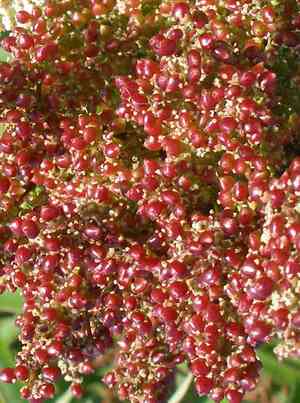
Laurel sumac is predominantly multiplied via cuttings, a technique well-suited to its growth attributes. Begin with robust, pathogen-free stems to achieve a higher success rate. Employ a rooting stimulant to foster root formation and place them in a porous soil blend, maintaining a moist atmosphere until roots take hold. This approach ensures the genetic consistency of laurel sumac while effectively generating new specimens.
Optimal Period for Laurel Sumac Propagation
Propagation Method
Cutting
Propagation Season
Autumn,Winter
Tools Required for Laurel Sumac Propagation
Sharp Pruning Shears
These are crucial for making clean, precise cuts from laurel sumac. Sharp blades minimize damage to the parent plant and create an ideal cutting surface, boosting successful rooting. Non-stick blades can prevent disease spread.
Rooting Hormone
This specialized chemical substance encourages root growth from laurel sumac cuttings. Applying it to the stem's cut end accelerates rooting, increases propagation success, and ensures robust root development, vital for plant establishment.
Sterile Potting Mix
A high-quality, sterile potting mix offers a clean, controlled environment for laurel sumac roots to grow. An ideal mix drains well yet retains sufficient moisture, supporting new roots without waterlogging, which can cause rot.
Propagation Trays
These trays organize and maintain multiple laurel sumac cuttings in a single, contained space. Trays with humidity domes are especially useful for maintaining optimal moisture levels around cuttings, essential for root development.
Heat Mats
For laurel sumac, maintaining a consistent, appropriate temperature at the root zone significantly boosts root development. Heat mats gently warm the soil, promoting faster growth and increasing the success rate of propagation from cuttings.
How to Propagate Laurel Sumac?
Propagation Type
Moderately Difficult
Caring for Your Newly Propagated Laurel Sumac
Caring for Your Newly Propagated Laurel Sumac?
Post-propagation, gradually introduce laurel sumac to less humid conditions by progressively removing the plastic cover over a week. Position the plant where it receives indirect sunlight. Water regularly to keep the soil moist until it's well-established. Once established, laurel sumac prefers dry to moderate moisture, and full to partial sun. It's drought-tolerant but benefits from occasional watering during prolonged dry spells. Monitor for pests and diseases, treating as needed to maintain laurel sumac's health.
Common Errors to Avoid When Propagating Laurel Sumac
Incorrect cutting size
Using cuttings that are either too small or too large can greatly affect laurel sumac's rooting success. Smaller cuttings may lack reserves for new growth, while excessively large ones are more prone to rot.
Excessive watering
While keeping the soil consistently moist might seem beneficial, overwatering can lead to root rot and fungal infections, especially during the cutting stage of laurel sumac.
Ignoring local soil conditions
Laurel sumac is adapted to specific soil types and conditions. Using a soil mix that isn't well-drained or doesn't mimic its natural habitat can hinder root development and reduce survival rates.
Advice for Propagating Laurel Sumac
Utilize semi-hardwood cuttings
For laurel sumac, semi-hardwood cuttings, which are neither too tender nor too mature, have shown higher success rates. These are typically taken from the middle part of the current year's growth.
Rooting hormone application
Applying a rooting hormone to the cut end of the cuttings can enhance the rooting process by stimulating root development and improving overall propagation success.
Adjust watering to rooting stage
Initially, keep the soil moist until roots are established. Once roots form, reduce the frequency to avoid overwatering, aligning with laurel sumac's preference for drier conditions.



