How to Transplant Chinese evergreen magnolia?
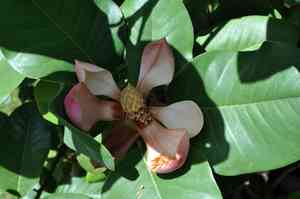
Chinese evergreen magnolia flourishes when relocated from the beginning of spring until its end, allowing ample time for establishment prior to summer's warmth. Select a site with partial shade and soil that drains effectively, and shield it from powerful gusts to encourage robust development.
Essential Preparations Before Relocating Chinese Evergreen Magnolia?
Optimal Timing for Moving Chinese Evergreen Magnolia?
Chinese evergreen magnolia, being a perennial, thrives best when moved during the lively period of early to late spring. This timing ensures strong root development before summer's intense heat. Transplanting in this season promotes vigorous growth, improves water absorption, and lessens transplant shock, guaranteeing the plant's health and longevity.
Recommended Spacing Between Chinese Evergreen Magnolia Specimens?
When relocating chinese evergreen magnolia, ensure each plant is spaced 20-30 feet (6-9 meters) apart. This provides ample room for development and air circulation, fostering a healthy environment for every plant.
Ideal Soil Mixture for Chinese Evergreen Magnolia Relocation?
For chinese evergreen magnolia, prepare soil that drains well and is slightly acidic to neutral. Enhance the soil with organic compost to boost fertility. A foundational fertilizer, such as a balanced 10-10-10 (N-P-K) blend, can be added to support initial growth.
Optimal New Location for Your Chinese Evergreen Magnolia?
Move chinese evergreen magnolia to a spot that receives full to partial sunlight. Aim for approximately 4-6 hours of direct sun daily to ensure robust development. Steer clear of overly shaded areas, as these might impede the plant's growth.
Necessary Equipment for Chinese Evergreen Magnolia Transplantation?
Gardening Gloves
To safeguard your hands while handling soil and the plant.
Shovel or Spade
For excavating around the plant and preparing a new planting site.
Garden Fork
To gently lift the plant if required.
Watering Can or Hose
To hydrate the plant before and after its move.
Mulch
To aid in moisture retention and soil temperature regulation.
Pruning Shears
For trimming any damaged or superfluous branches and roots.
Tarp or Wheelbarrow
To transport the plant from its original spot to the new location.
Method for Extracting Chinese Evergreen Magnolia from the Ground?
Method for Extracting Chinese Evergreen Magnolia from the Ground?
From Ground: First, water the chinese evergreen magnolia to moisten the soil. Then, using a shovel or spade, dig a wide trench around the plant, ensuring the root ball stays intact. Carefully work the spade beneath the root ball to lift the plant from its initial position.From Pot: Gently tap the pot's sides to loosen the soil. Carefully tilt the pot sideways and slide out the chinese evergreen magnolia. If the plant is stuck, use a garden fork to gently loosen the edges. Strive to keep the root ball as undisturbed as possible.From Seedling Tray: Water the seedlings to make the soil more pliable. Carefully lift the chinese evergreen magnolia seedlings using a small garden tool or your hands, making sure to extract as much of the root system as possible. Handle the seedlings delicately to prevent harm.
Step-by-Step Guide for Relocating Chinese Evergreen Magnolia
Prepare the New Site
Dig a hole in the new location, twice as wide and equally deep as the chinese evergreen magnolia's root ball.
Transfer the Plant
Place the chinese evergreen magnolia into its new hole, ensuring it rests at the same depth as it did in its previous spot.
Fill the Hole
Backfill the hole around the chinese evergreen magnolia with the excavated soil, gently tamping it down to eliminate air pockets.
Watering
Thoroughly water the chinese evergreen magnolia immediately after planting to help settle the soil around its roots.
Add Mulch
Spread a layer of mulch around the base of the chinese evergreen magnolia to assist in moisture retention and soil temperature regulation.
Post-Transplant Care for Chinese Evergreen Magnolia?
Watering
Keep the soil around the chinese evergreen magnolia consistently moist, but not waterlogged, for the initial weeks after transplanting to encourage strong root development.
Mulching
Maintain a layer of mulch around the plant's base, ensuring it doesn't touch the stem, to retain moisture and regulate soil temperature.
Pruning
Trim any damaged or dead branches to help the plant direct its energy towards establishing new growth.
Monitoring
Regularly inspect the plant for any indications of stress, such as wilting or yellowing leaves, and adjust care as needed.
Resolving Common Issues with Chinese Evergreen Magnolia Relocation.
When is the best time to move chinese evergreen magnolia?
Early to late spring is ideal for relocating chinese evergreen magnolia.
How much space should I allow between chinese evergreen magnolia plants?
Maintain 20-30 feet (6-9 meters) between chinese evergreen magnolia plants for proper development.
What should the soil pH be for moving chinese evergreen magnolia?
A soil pH between 5.0 and 6.5 is optimal for transplanting chinese evergreen magnolia.
How deep should the planting hole be for chinese evergreen magnolia?
Excavate a hole twice the root ball's width and equal to its depth.
How do I prepare chinese evergreen magnolia for relocation?
Water thoroughly before digging and trim any damaged roots and branches.
What type of mulch should be used after moving chinese evergreen magnolia?
Utilize organic mulch like bark or compost to retain moisture and suppress weeds.
How much water does chinese evergreen magnolia require after relocation?
Water generously post-transplant, then keep the soil moist but not saturated.
How can I minimize transplant shock in chinese evergreen magnolia?
Relocate during cooler hours, avoid direct sun, and water well to lessen shock.
Should chinese evergreen magnolia be fertilized immediately after moving?
Wait a few weeks after transplanting before applying a balanced, slow-release fertilizer.
What common pests should I look out for after moving chinese evergreen magnolia?
Monitor for aphids, scale insects, and leaf miners, and treat promptly if observed.



