How to Prune Chinese evergreen magnolia?
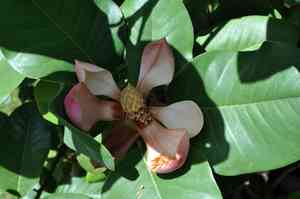
Magnolia denudata, recognized for its substantial, tough foliage and aromatic white blossoms, thrives with regular trimming to boost its vitality and form. The most favorable periods for pruning are from late winter to early spring, which helps prevent sap leakage and stimulates vigorous development. Begin by eliminating any lifeless, ailing, or intersecting branches, then thin out congested sections to improve air movement. Refrain from over-pruning to avert undue strain. This practice cultivates a shapely, attractive specimen and can deter potential pest problems.
What Are the Benefits of Pruning Chinese Evergreen Magnolia?
What Are the Benefits of Pruning Chinese Evergreen Magnolia?
Pruning chinese evergreen magnolia is advantageous as it stimulates robust development and helps maintain its form, enhancing its visual appeal. Trimming also aids the plant in resisting pests and illnesses, improving its overall vitality and lifespan.
What Is the Best Time for Pruning Chinese Evergreen Magnolia?
What Is the Best Time for Pruning Chinese Evergreen Magnolia?
Trimming chinese evergreen magnolia during early spring or late winter allows the plant to recover swiftly before its main growth period. This timing supports healthy development and minimizes plant stress. Additionally, pruning before blooming ensures you don't disrupt its flowering cycle, as chinese evergreen magnolia typically flowers in late spring to early summer. During these cooler months, the plant is also less susceptible to pests and diseases, contributing to its overall health.
What Tools Do I Need to Prune Chinese Evergreen Magnolia?
Hand Pruners
Perfect for precise cuts on smaller branches and stems, usually up to 1/2 inch in diameter. This tool assists in preserving the plant's shape and addressing minor trimming needs. Use bypass pruners for cleaner cuts.
Loppers
Essential for cutting thicker branches, generally ranging from 1/2 inch to 1 1/2 inches in diameter. Loppers provide the necessary leverage to trim larger branches without harming the plant.
Pruning Saw
Crucial for removing larger branches exceeding 1 1/2 inches in diameter. A pruning saw ensures a clean, smooth cut, encouraging healthy regrowth and preventing disease.
Pole Pruner
Useful for reaching and trimming elevated branches without needing a ladder. This tool enables safer and more efficient pruning at heights.
Bypass Pruning Shears
Specifically designed for making clean cuts on live, green stems. This type of pruner is excellent for detailed shaping and upkeep.
How to Prune Chinese Evergreen Magnolia
Inspection
Start by thoroughly examining chinese evergreen magnolia for any dead or diseased branches. Understanding the extent of necessary pruning will help guide the process.
Tools
Prepare pruning tools such as clean, sharp pruners or loppers. Ensure tools are sterilized to prevent disease spread, especially when dealing with diseased branches.
Diseased branches
Carefully cut back any diseased branches to healthy wood. Make cuts just above a healthy bud or branch junction to encourage proper healing and regrowth.
Dead branches
Remove dead branches by cutting back to the nearest healthy branch or trunk. Ensure all cuts are clean to prevent further decay.
Clean up
Dispose of all pruned material away from chinese evergreen magnolia to prevent potential disease spread. Clean tools again after use.
Common Pruning Mistakes with Chinese Evergreen Magnolia
Improper Technique
Using dull or unsuitable tools can result in jagged cuts, leading to increased vulnerability to pests and diseases.
Over-pruning
Removing too much foliage can stress the plant and reduce its ability to photosynthesize effectively, leading to poor overall health.
Incorrect Cuts
Making cuts too close to or too far from the main stem can result in poor healing and potential entry points for pathogens.
Common Pruning Tips for Chinese Evergreen Magnolia
Use Sharp Tools
Ensure all pruners and saws are sharp to make clean cuts. This helps the plant heal faster and reduces the risk of infection.
Sanitize Tools
Clean and disinfect pruning tools before use and between cuts to prevent the spread of disease.
Make Proper Cuts
Trim just above a bud or branch node, making an angled cut that slopes away from the bud to ensure water runoff and prevent rot.
Prune Sparingly
Only remove dead or damaged branches and thin out crowded areas to maintain airflow, rather than performing heavy pruning in one go.
Monitor Growth
Observe the plantâs growth habit and structure before pruning to make informed cuts that maintain its natural shape and promote healthy growth.



