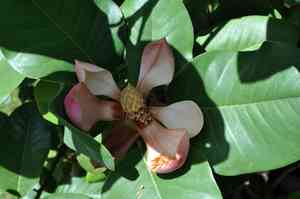
Chinese evergreen magnolia (Magnolia delavayi)
Also known as: Chinese Magnolia, Delavay's Magnolia
The deciduous tree you're referring to is commonly known as the Chinese Empress Tree or Paulownia. Native to China, it features creamy white, fragrant flowers that bloom in late spring. The wood from this tree is highly valued for its use in crafting fine furniture.
In This Article
Attributes of Chinese evergreen magnolia
Lifespan
Perennial
Plant Type
Tree
Plant Height
10 m
Spread
10 m
Leaf Color
Green
Flower Size
15-20 centimeters
Flower Color
White
Images of Chinese evergreen magnolia
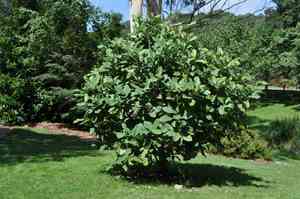
Quickly Identify Chinese evergreen magnolia
1
Magnolia delavayi can be identified by its large, oblong leaves that are leathery and glossy, with a dark green upper surface and a lighter underside. Its flowers are creamy white, fragrant, and large, with a cup-like shape.
Scientific Classification of Chinese evergreen magnolia
Phylum
Vascular plants
Class
Dicotyledons
Order
Magnolias, nutmegs, and allies
Family
Magnolia
Genus
Magnolias
Species
Chinese evergreen magnolia
Planting and Growing of Chinese evergreen magnolia
Care Difficulty
Moderate
Watering Schedule
Every 2 days
Sunlight Requirements
Partial sun
Sunshine Duration
6-10 hours
Ideal Temperature
60-75℉
Soil Type
Potting Mix, Peat Mix
Soil pH
6-7
Fertilizer Type
Balanced
Pruning Season
Spring, Summer
Pruning Area
Branches, Leaves
Pruning Frequency
2 times a year
Repotting Season
Spring
Pot Type
Ceramic, Plastic
 How to Water Chinese evergreen magnolia?
Ensure that your Magnolia delavayi receives about 2000 ml of water per watering. The goal is to soak the soil thoroughly, allowing moisture to reach deep roots while avoiding waterlogging. Wait until the top 2 inches of the soil dry out before watering again.
What are the symptoms of an underwatered Chinese evergreen magnolia?
›
What should I do if my Chinese evergreen magnolia is not getting enough water?
›
What are the symptoms of an overwatered Chinese evergreen magnolia?
›
How to save an overwatered Chinese evergreen magnolia?
›
 What Are the Sunlight Requirements for Chinese evergreen magnolia?
Magnolia delavayi prefers partial sun to full shade, benefiting from dappled light similar to its natural understory habitat. This environment supports robust leaf and flower production, enhancing the plant's overall vitality.
What is the optimal lighting for Magnolia delavayi?
›
How can I achieve this ideal lighting?
›
What benefits does ideal lighting provide for Magnolia delavayi?
›
 What Is the Ideal Temperature Range for Chinese evergreen magnolia?
The ideal temperature range for Magnolia delavayi is between 60°F and 75°F. Maintaining this temperature range ensures optimal growth and health of the plant by facilitating effective photosynthesis and nutrient absorption. Temperatures within this range mimic its natural habitat, promoting vibrant foliage and robust blooms.
 What Soil is Best for Chinese evergreen magnolia?
Magnolia delavayi thrives best in soil that provides excellent drainage. This type of soil prevents waterlogging, which can lead to root rot and other water-related issues, thus ensuring healthy root development. Rich in organic matter, the soil should be nutrient-dense to support the tree's growth and flowering. Adequate nutrients enhance flowering potential and overall plant vitality, ensuring a robust and blooming Magnolia. The soil should retain enough moisture to keep roots hydrated without flooding them. Consistent moisture ensures steady growth and helps the tree withstand dry spells, offering resilience against stress.
 How to Fertilize Chinese evergreen magnolia?
The appropriate amount of fertilizer for Magnolia delavayi should be balanced to avoid over or under-fertilization. Typically, use a liquid fertilizer at half the recommended strength every two weeks during the growing season. For slow-release fertilizers, apply according to the packaging instructions, avoiding excess application.
 How to Prune Chinese evergreen magnolia?
Begin by removing any dead or damaged wood, cutting back to healthy tissue. Ensure that your tools are sharp and clean to avoid infections. Carefully thin crowded branches to increase air circulation and light penetration, which reduces disease risk and promotes a healthier plant. When shaping Magnolia delavayi, consider its natural form. Pruning should enhance the natural shape rather than transform it. Trim back overreaching branches to balance the overall look, ensuring you make cuts above a bud that faces outward to promote outward growth.
More About Pruning Techniques→
 How to Propagate Chinese evergreen magnolia plant?
1
For seed propagation, start by collecting mature seeds from the Magnolia delavayi. Clean them thoroughly and soak them in lukewarm water overnight to enhance germination.
2
Select healthy, semi-hardwood cuttings from the plant. Make sure each cutting is about 6 inches long with a few leaves. Remove leaves from the lower half to reduce evaporation.
3
For grafting, select compatible rootstock and ensure both the scion and rootstock are of similar thickness. Make a clean cut and secure them with grafting tape for successful union.
 How to Repot Chinese evergreen magnolia plant?
1
Look for signs like roots emerging from drainage holes or slowed growth, indicating it's time to repot. Select spring or autumn when the plant is not in active bloom or dormancy for ideal repotting times. These periods minimize stress on the plant, allowing it to establish more easily in new soil.
2
Select a pot one size larger than the current one, ensuring adequate drainage holes to prevent waterlogging. Choosing a slightly larger pot allows room for root expansion and helps maintain proper moisture levels, promoting healthy growth and preventing root rot.
3
Opt for well-draining, acidic soil similar to the plant's natural habitat. This type of soil provides the right pH and nutrients, boosting Magnolia delavayi’s growth and blooming. The proper soil mix will enhance water retention without compaction, promoting healthy root systems.



