How to Transplant Maleberry?
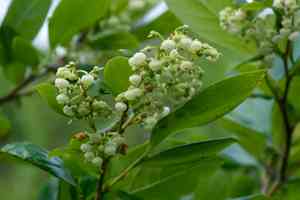
To ensure a successful beginning, the ideal window for relocating maleberry is from the latter part of spring into early summer. This timeframe provides sufficient development opportunity prior to the colder months. Select a location with good soil drainage and guarantee exposure to partial or full sun. Although optional, enhancing the planting area with compost can encourage vigorous rooting.
What Preparations are Needed Before Transplanting Maleberry?
What is the Ideal Time for Transplanting Maleberry?
The perfect time to move maleberry is at the start of warm weather, as spring transitions into summer. Relocating maleberry during this period allows roots to establish in mild soil, benefiting from longer days, and building a strong base before autumn's chill. Seize this opportunity to invigorate your maleberry, ensuring a thriving move and vitality for the coming year. A friendly reminder: careful preparation will lead to your maleberry's successful new beginning!
How Much Space Should You Leave Between Maleberry Plants?
When relocating your maleberry, aim to provide each plant ample room to flourish. Position them 4-6 feet apart (approximately 1.22-1.83 meters). This spacing promotes sufficient growth and good air circulation, contributing to the health and happiness of your plants!
What is the Best Soil Mix for Maleberry Transplanting?
For your maleberry, you'll want to prepare a soil blend that drains effectively yet retains some moisture. Enhance your garden soil with organic matter such as compost. Beginning with a balanced, slow-release fertilizer will give your maleberry an excellent head start.
Where Should You Relocate Your Maleberry?
Select a location for your maleberry that receives full to partial sunlight. This means an area that gets direct sun for at least 4 hours daily. The correct light balance will help your maleberry thrive and showcase its beauty.
What Equipments Should You Prepare Before Transplantation Maleberry?
Gardening Gloves
To safeguard your hands while handling soil and plants.
Shovel or Spade
For digging around and beneath the plant to extract it from its current spot.
Garden Fork
To gently loosen the soil around the plant's roots with less disturbance.
Watering Can or Hose
To thoroughly hydrate the plant before and after its relocation.
Pruners or Garden Shears
To trim any dead or excess branches prior to transplanting.
Wheelbarrow or Plant Dolly
To safely move the plant to its new position.
Organic Mulch
To help maintain soil moisture and regulate temperature around the root zone after transplant.
Root Stimulator (Optional)
To encourage new root development following transplantation.
How Do You Remove Maleberry from the Soil?
How Do You Remove Maleberry from the Soil?
From Ground: First, hydrate the maleberry plant to moisten the soil. Next, excavate a wide trench around the plant using a shovel or spade, ensuring the plant's root ball stays intact. Carefully work the spade under the root ball to lift the plant from its original spot.From Pot: Begin by watering the maleberry in its container to facilitate easier removal. Tilt the pot sideways and gently tap to loosen the soil and roots. Gradually ease the plant out, making sure to support the stem and root ball with your hands.From Seedling Tray: Water the seedlings thoroughly before starting. Use a garden fork or a small tool to carefully lift the seedling out, starting from the cell edges, taking care not to harm the roots. Hold the seedling by its leaves rather than its delicate stem.
Step-by-Step Guide for Transplanting Maleberry
Preparation
Examine the maleberry plant and trim any damaged or dead branches with pruners or garden shears; this will help the plant direct its energy towards re-establishing its roots.
Digging the Hole
Excavate a hole in the ground that is twice as wide and as deep as the maleberry's root ball. If removing the plant from a pot or the ground, ensure the dug hole is ready for immediate transplant to minimize root exposure.
Planting
Gently guide the maleberry's root ball into the hole. Position it so the top of the root ball is level with the surrounding soil surface, ensuring it's neither too deep nor too shallow.
Filling the Hole
Backfill the hole with soil, gently compacting it around the root ball. Once the hole is filled, water the maleberry deeply to help settle the soil and eliminate any air pockets.
Mulching
Apply a layer of organic mulch around the base of maleberry, keeping it several inches away from the stem. This will help to retain soil moisture and regulate soil temperature.
How Do You Care For Maleberry After Transplanting?
Watering
Keep the soil around the maleberry consistently moist, but not waterlogged, for the initial weeks after transplanting to aid in establishing strong roots.
Monitoring
Observe the maleberry closely for indications of transplant shock, which might include wilting, leaf drop, or discoloration. If these symptoms appear, ensure adequate water and protection from strong winds or extreme temperatures.
Staking (If Necessary)
If the maleberry is tall or in a windy location, consider providing stakes for additional support until it is well-rooted and stable.
Boosting Roots
Apply root stimulator according to the product's instructions to encourage robust root growth, if you have chosen to use one.
Troubleshooting Common Issues with Maleberry Transplantation.
When's the ideal time to transplant maleberry?
Relocate maleberry during its active growth phase, typically from late spring to early summer.
What's the best spacing for maleberry when transplanting?
Ensure ample room, placing maleberry approximately 4-6 feet (1.2-1.8 meters) apart, to encourage healthy development.
How do I prepare the soil for maleberry transplantation?
Enrich the soil with organic compost, ensuring good drainage to create an optimal bed for maleberry.
How deep should the hole be for maleberry's root ball?
Dig a hole twice as wide and the same depth as the root ball to comfortably accommodate maleberry's roots.
What should I do if maleberry's leaves wilt after transplanting?
Provide gentle, consistent watering to settle the soil and restore maleberry's vigor; avoid over-saturating.
How much should I water maleberry post-transplant?
Water maleberry deeply to promote root growth, reducing frequency as it establishes, to prevent waterlogging.
What signs indicate successful maleberry transplantation?
New leaf development and firm, vibrant leaves are positive signs of maleberry's successful establishment.
How do I protect maleberry after transplant in direct sun?
Shield maleberry with shade cloth or a temporary screen until it acclimates, preventing sun damage.
Can maleberry be transplanted in rainy conditions?
Postpone transplanting maleberry if heavy rain is anticipated, to prevent root rot and soil compaction.
Why is my transplanted maleberry not flowering?
It may require time to adjust; ensure proper care and patience for maleberry to bloom anew.



