The Maleberry Plant Advantage: Maximizing Home and Office Appeal and Wellness
1
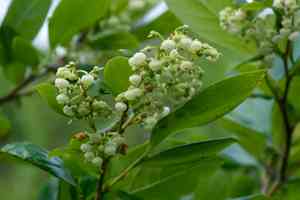
Maleberry serves as a superb option for establishing organic privacy barriers in your outdoor space.
2
This adaptable flora flourishes across various soil conditions, simplifying its cultivation.
3
Maleberry draws in advantageous pollinators, enriching the surrounding natural environment.
Why Maleberry Excels as a Landscaping Plant?
Natural Visual Barrier
A key advantage of Maleberry is its function as a natural privacy screen. With its dense leaves and potential for tall growth, Maleberry can effectively block views, creating a peaceful and secluded outdoor area. This makes it perfect for home gardens needing privacy without artificial fences or walls.
Soil Type Versatility
Maleberry is renowned for thriving in diverse soil conditions, including sandy, loamy, and even poorly draining soils. This flexibility means you can plant Maleberry in various settings without extensive soil modification. Its resilience makes it an excellent choice for different gardening environments, ensuring it flourishes and enhances any garden's beauty.
How Does Maleberry Benefit Local Wildlife?
Pollinator Attraction
A prominent characteristic of Maleberry is its capacity to draw beneficial pollinators like bees and butterflies. Maleberry's blossoms offer a rich nectar source, making it highly appealing to various pollinating species. This not only boosts your garden's biodiversity but also supports the local ecosystem by fostering healthy pollination.
Bird Habitat Provision
Beyond attracting pollinators, Maleberry also provides excellent shelter for birds. Its thick branches and leaves offer refuge and nesting spots for numerous bird species. This can transform your garden into a lively environment bustling with birds, adding both sound and movement to your outdoor space.
Can Maleberry Improve Soil Health?
Erosion Prevention
Maleberry plays a vital role in preventing soil erosion. Its extensive root system helps stabilize the ground, reducing erosion risk, especially on slopes and embankments. By planting Maleberry in erosion-prone areas, you can safeguard the soil and maintain your landscape's integrity.
Enhancing Soil Fertility
The decaying leaves of Maleberry contribute to enriching the soil as they break down. This natural process adds organic matter, boosting soil fertility over time. Combined with its erosion control abilities, Maleberry proves to be an invaluable plant for maintaining healthy soil.
What Are Maleberry's Aesthetic Advantages?
Seasonal Visual Appeal
One of the joys of cultivating Maleberry is its seasonal beauty. With its vibrant flower clusters in spring and summer, Maleberry adds a burst of color to your garden. In autumn, its foliage can display a spectrum of hues, from deep burgundy to bright red, providing seasonal interest.
Flexible Landscape Design
Maleberry integrates well into various landscape design styles, from rustic gardens to more formal arrangements. Its ability to adapt to different planting schemes makes it a versatile addition. Whether as a focal point or a complementary plant, Maleberry can enhance the visual charm of any garden layout.
How to Care for Maleberry?
Watering Needs
Maleberry requires relatively little maintenance regarding watering. It prefers consistent moisture but can endure dry spells once established. For optimal growth, water young plants regularly, and decrease frequency as they mature.
Pruning and Upkeep
Pruning Maleberry is simple and typically involves removing dead or diseased branches to maintain its form and vitality. Regular pruning can also improve air circulation, lowering the risk of fungal infections. Performing these basic maintenance tasks will ensure Maleberry continues to thrive and enhance your garden year-round.
Can Maleberry Be Used for Environmental Restoration?
Restoration of Damaged Lands
Maleberry is an excellent choice for environmental restoration projects. Its hardiness and adaptability make it suitable for revitalizing degraded lands. By planting Maleberry, you can help restore ecological balance and improve the health of damaged ecosystems.
Supporting Biodiversity
In environmental restoration, Maleberry is crucial for supporting biodiversity. By creating habitats for various species and contributing to soil health, Maleberry helps restore and sustain diverse ecosystems. Its presence in restoration projects can significantly contribute to long-term ecological success.



