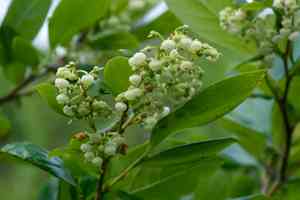
Maleberry (Lyonia ligustrina)
Also known as: Big boy
The Maleberry (Lyonia ligustrina) produces distinctive dry, hard capsule fruits rather than fleshy berries. Found commonly in wetlands throughout the eastern United States, this plant is highly adaptable to different environments. It is notably resilient to brush fires and flourishes in regions frequently affected by such events.
In This Article
Attributes of Maleberry
Lifespan
Perennial
Plant Type
Shrub
Plant Height
1.8 m to 3.5 m
Spread
1.8 m to 3.5 m
Leaf Color
Green Gray Silver
Flower Size
2.5 cm
Flower Color
White Yellow Pink Green
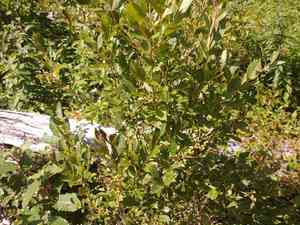
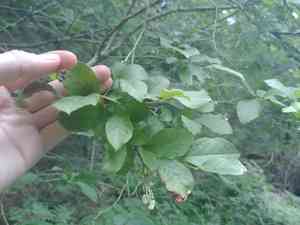
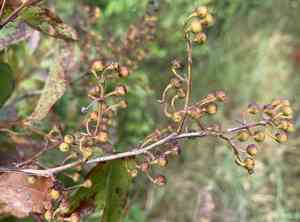
Images of Maleberry
Quickly Identify Maleberry
1
Urn-shaped white or pink flowers in terminal clusters (0.2 inches/5 mm long)
2
Distinctive 5-parted seed capsule that splits open upon maturation
3
Ovate leaves (1.5-3 inches/3.8-7.6 cm) with pointed tips, turning orange-red in fall
4
Bark with brown to reddish-brown hue, developing long horizontal splits
5
Fruit transitions from green to brownish hue, small and woody capsule
Scientific Classification of Maleberry
Phylum
Vascular plants
Class
Dicotyledons
Order
Ericales
Family
Heath
Genus
rusty staggerbush
Species
Maleberry
Planting and Growing of Maleberry
Care Difficulty
Easy
Watering Schedule
Every 3 days
Sunlight Requirements
Full sun
Sunshine Duration
4-6 hours
Ideal Temperature
65-75℉
Soil Type
Potting Mix, Peat Mix
Soil pH
5-6.5
Fertilizer Type
Balanced
Pruning Season
Spring, Summer
Pruning Area
Branches, Leaves
Pruning Frequency
2 times a year
Repotting Season
Spring
Pot Type
Plastic, Ceramic
 How to Water Maleberry?
When watering Lyonia ligustrina, provide approximately 500 mL of water per session. The goal is to ensure the soil is thoroughly moistened without waterlogging. The plant thrives in consistently moist but well-drained soil, so it’s important to strike a balance, neither allowing the soil to dry out completely nor become overly saturated.
What are the symptoms of an underwatered Maleberry?
›
What should I do if my Maleberry is not getting enough water?
›
What are the symptoms of an overwatered Maleberry?
›
How to save an overwatered Maleberry?
›
 What Are the Sunlight Requirements for Maleberry?
Partial to full sun exposure is ideal for Lyonia ligustrina. Adequate light promotes healthy growth and flowering, ensuring the plant thrives and maintains resilience against potential stress factors.
More About Sunlight Requirements Techniques→
What is the ideal lighting condition for Lyonia ligustrina?
›
How to achieve ideal lighting for Lyonia ligustrina?
›
What benefits does Lyonia ligustrina get from ideal light?
›
 What Is the Ideal Temperature Range for Maleberry?
Lyonia ligustrina, also known as maleberry, thrives best within a temperature range of 65°F to 75°F. Maintaining this temperature range promotes optimal growth and allows the plant to fully develop its foliage and flowering potential. This range mimics the natural conditions of its native environment, such as the edges of woodlands and moist, acidic habitats.
 What Soil is Best for Maleberry?
Lyonia ligustrina thrives in well-drained soils which prevent waterlogging and root rot, essential for its robust growth. This plant prefers acidic soil, which aids in optimal nutrient absorption, promoting lush foliage and vibrant growth. Incorporating organic material in the soil enhances nutrient availability, supporting the plant's health and productivity.
 How to Fertilize Maleberry?
For Lyonia ligustrina, use a balanced 10-10-10 fertilizer at a rate of 1 teaspoon per gallon of water for liquid applications. This ensures that the plant receives essential nutrients without the risk of over-fertilization, promoting healthy growth.
 How to Prune Maleberry?
Start by removing any dead or damaged branches, as these can hinder healthy growth and may harbour disease and pests. Cut back to the nearest healthy outward-facing bud to ensure the plant can heal properly. Work around the plant evenly, gradually pruning to form the desired shape. Avoid removing more than a third of the plant at once, as excessive pruning can stress the plant and slow its growth. Encourage good air circulation by thinning out dense areas within the plant. This helps reduce the risk of fungal diseases and allows sunlight to penetrate deeper, which benefits overall plant health.
More About Pruning Techniques→
 How to Propagate Maleberry plant?
1
Collect mature Lyonia ligustrina seeds and clean them thoroughly. Soaking the seeds in water for 24 hours can enhance germination rates by softening the seed coat and encouraging water absorption.
2
Select healthy branches and cut 4-6 inch segments. Ensure each cutting has at least two nodes. Remove leaves from the lower half and, if needed, dip the cut end in rooting hormone.
3
For seeds, plant them in a tray filled with a seed-starting mix, lightly covering them with soil. For cuttings, insert cuttings into pots with a well-draining potting mix. Water them gently to avoid dislodging the seeds or cuttings.
 How to Repot Maleberry plant?
1
Lyonia ligustrina should be repotted when roots are visibly growing out of the pot’s drainage holes, the plant appears to dry out quickly despite regular watering, or growth has noticeably slowed. These are clear signs that it's time to offer more room for root expansion.
2
Select a pot with adequate drainage holes and size that is just slightly larger than the current one to prevent excessive soil moisture. A pot that’s too large can lead to waterlogged conditions, which Lyonia ligustrina distinctly dislikes.
3
Opt for an acidic, well-draining potting mixture to replicate its natural habitat. A rich, peat-based mix with added perlite or sand works well, providing the necessary aeration and acidity essential for healthy growth.
Toxicity
Ingestion of plant parts such as leaves and berries
WARNING
The judgment on toxicity and danger is for reference only. We DO NOT GUARANTEE any accuracy of such judgment. Therefore, you SHALL NOT rely on such judgment. It is IMPORTANT TO SEEK PROFESSIONAL ADVICE in advance when necessary.
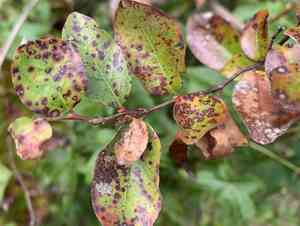
Learn More About Maleberry Diseases
Anthracnose
Bacterial Leaf Spot
Bacterial Wilt
Crown Gall
Cyst Nematode
Damping-off
Downy Mildew
Drought Stress
Fusarium Wilt
Gray Mold
Leaf Curl
Leaf Spot
Mosaic
Nutrient Deficiency
Nutrient Toxicity
Powdery Mildew
Root Rot
Root-knot Nematode
Rusts
Sooty Mold
Spider Mites
Temperature Stress
Thrips Damage
White Mold
Chemical Injury



