How to Prune Maleberry?
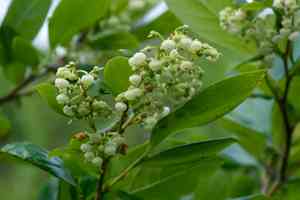
Maleberry, a indigenous shrub recognized for its upright stalks and groupings of tiny, white blossoms, flourishes with judicious trimming. Perform pruning in late winter to early spring, prior to the emergence of new foliage. Reducing the number of older stems encourages robust new growth, boosts floral production, and preserves an appealing shape. Eliminate any lifeless, ailing, or excessively dense branches to guarantee sound development. The timing of pruning is vital to prevent interference with maleberry's flowering period, thereby enabling the formation of next season's flower buds.
What Are the Benefits of Pruning Maleberry?
What Are the Benefits of Pruning Maleberry?
Trimming maleberry promotes robust development and helps maintain its desired form. Regular cutting can prevent excessive growth, leading to a more controlled, visually appealing shape.
What Is the Best Time for Pruning Maleberry?
What Is the Best Time for Pruning Maleberry?
Pruning maleberry during late winter or early spring aligns with its dormant phase, which lessens plant stress and minimizes sap loss. In this period, the absence of leaves offers improved visibility of the plant's structure, enabling more precise cuts. With pruning completed before new growth begins, maleberry can direct its energy towards healing and producing healthy foliage. This timing also avoids disrupting flowering, as maleberry typically blooms on new wood; pruning after blooming could remove flower buds and reduce the floral display in the subsequent season.
What Tools Do I Need to Prune Maleberry?
Hand Pruners
These are crucial for making clean cuts on maleberry's smaller branches. Bypass pruners are optimal for their clean cutting action, which is vital for the plant's health.
Loppers
For maleberry's thicker branches, typically up to 1½ inches in diameter, a quality pair of loppers will provide the necessary leverage for clean, effortless cuts.
Pruning Saw
For any mature maleberry with branches exceeding 1½ inches in thickness, a pruning saw is the recommended implement. It will facilitate easier and more efficient cutting of larger, woody stems.
Hedge Shears
If maleberry is maintained as a hedge or requires shaping, hedge shears are suitable for trimming and shaping the outermost growth. These should only be used for soft, green growth.
How to Prune Maleberry
Sanitize
Start by sanitizing your pruning tools with an alcohol or bleach solution to prevent the spread of disease to maleberry.
Remove Diseased Parts
Carefully remove all diseased leaves and branches from maleberry, cutting back to healthy wood, ensuring cuts are clean and angled away from any buds to promote proper healing and growth.
Eliminate Withered Elements
Identify and trim away any withered leaves from maleberry to maintain plant health and aesthetics, using sharp shears to make precise cuts without harming the adjacent healthy tissue.
Cut Dead Wood
Prune back dead branches on maleberry to the point of live growth or at the branch collar to encourage new growth and improve air circulation within the plant structure.
Inspect and Clean Up
After trimming maleberry, inspect the plant for any remaining dead or unhealthy areas that may have been missed, removing them as necessary, and clean up all removed plant material from the area to reduce the risk of disease.
Common Pruning Mistakes with Maleberry
Pruning too early
Starting to prune maleberry before it has fully established can damage the young plant's growth potential and reduce flowering.
Over pruning
Removing more than one-third of maleberry's growth in a single season can stress the plant and lead to poor health or diminished flowering.
Improper cut location
Cutting too far from a bud or node on maleberry can leave unsightly stubs and may lead to disease and dieback.
Using dull tools
Pruning maleberry with dull tools can create jagged cuts that are more vulnerable to pests and diseases.
Neglecting sanitization
Not sanitizing pruning tools before use on maleberry can spread diseases from plant to plant.
Ignoring plant shape
Failing to consider the natural shape of maleberry while pruning can result in an unnatural appearance and affect growth patterns.
Common Pruning Tips for Maleberry
Selective pruning
Identify and remove only dead, diseased, or crowding branches of maleberry to promote better air circulation and sunlight penetration.
Angle cuts
Make cuts at a 45-degree angle about 1/4 inch above an outward-facing bud or node on maleberry to encourage outward growth and prevent water accumulation.
Thinning
Use thinning cuts on maleberry rather than heading cuts to maintain its natural form and encourage new growth from the base.
Gradual pruning
Approach pruning of maleberry gradually over several seasons, if extensive shaping or size reduction is needed, to prevent shock.
Tool selection
Choose sharp bypass pruners or loppers for maleberry to make clean cuts that heal more efficiently and reduce damage.
Post-pruning care
Provide maleberry with adequate water and possibly a balanced fertilizer after pruning to support recovery and vigorous growth.



