How to Transplant Hawai'i desert-thorn?
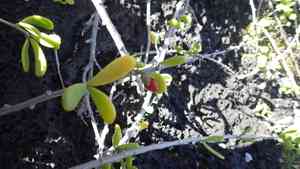
Hawai'i desert-thorn flourishes when relocated between the beginning and end of winter, a timeframe that guarantees reduced strain as its development decelerates. It favors sandy, porous substrates and ample sunlight. Select a secluded, protected spot to facilitate its adaptation.
Necessary Preparations Before Relocating Hawai'i Desert-thorn?
Optimal Period for Relocating Hawai'i Desert-thorn?
Hawai'i desert-thorn, a perennial, flourishes when moved between 'early winter and late winter,' a time offering cooler temperatures and increased moisture. This timing minimizes transplant stress and encourages strong root growth. Relocating during these months maximizes the plant's chances of successful establishment and future development.
Recommended Spacing Between Hawai'i Desert-thorn Plants?
When moving hawai'i desert-thorn, ensure each plant is positioned 3-5 feet (0.9-1.5 meters) apart. This provides ample space for development and prevents overcrowding.
Best Soil Blend for Hawai'i Desert-thorn Relocation?
For hawai'i desert-thorn, utilize well-draining, sandy or loamy soil. Incorporate a phosphorus-rich base fertilizer to encourage robust root development and enhance nutrient absorption.
Where to Replant Your Hawai'i Desert-thorn?
Select a sunny location for relocating hawai'i desert-thorn. This plant thrives best in full sunlight, ensuring it receives at least 6-8 hours of direct sun daily.
Equipment to Prepare Before Relocating Hawai'i Desert-thorn?
Gardening Gloves
To safeguard your hands while handling soil and the plant.
Shovel or Spade
For excavating around the plant and preparing the planting hole in its new spot.
Garden Trowel
For precise digging and managing smaller plants.
Watering Can or Hose
To hydrate the plant before and after its relocation.
Pruning Shears
To trim any damaged roots or overgrown stems.
Bucket or Container
To temporarily hold the plant if necessary.
Stakes and Ties
To support the plant if it's tall or spindly after being moved.
How to Extract Hawai'i Desert-thorn from the Soil?
How to Extract Hawai'i Desert-thorn from the Soil?
From Ground: First, moisten the soil around the hawai'i desert-thorn plant. Then, dig a wide trench around the plant using a shovel or spade, ensuring the plant's root ball remains intact. Carefully work the spade beneath the root ball to lift the plant from its original spot.From Pot: Gently tap the pot's sides to loosen the soil. Tilt the pot and carefully slide out the hawai'i desert-thorn plant, supporting the root ball. If the plant is root-bound, gently separate the roots.From Seedling Tray: Use a garden trowel or your fingers to carefully lift the hawai'i desert-thorn seedlings from the tray, ensuring the root system is supported. Try to keep as much soil around the roots as possible.
Step-by-Step Guide for Relocating Hawai'i Desert-thorn
Site Preparation
Ensure the new planting area is well-prepared with suitable soil conditions and adequate drainage to prevent water accumulation.
Digging Hole
Excavate a hole in the new location that is twice as wide and equally deep as the hawai'i desert-thorn plant's root ball.
Planting
Position the hawai'i desert-thorn plant into the hole, ensuring the top of the root ball is level with the ground. Backfill the hole with soil, gently firming it around the roots to eliminate air pockets.
Watering
Thoroughly water the hawai'i desert-thorn plant immediately after planting to help settle the soil around its roots.
Support
If the hawai'i desert-thorn plant is tall or leggy, use stakes and ties to provide additional support until its root system is well-established.
How to Care For Hawai'i Desert-thorn After Relocation?
Watering
Keep the soil around the hawai'i desert-thorn consistently moist, but not waterlogged, for the initial weeks after relocation to aid in strong root establishment.
Mulching
Apply a layer of mulch around the base of the hawai'i desert-thorn plant to retain moisture and regulate soil temperature.
Pruning
Trim any damaged or diseased branches to direct the plant's energy towards healthy growth.
Monitoring
Observe the hawai'i desert-thorn plant for signs of stress, such as wilting or yellowing leaves, and address any issues promptly.
Troubleshooting Common Issues with Hawai'i Desert-thorn Relocation.
When is the best time to relocate hawai'i desert-thorn?
The optimal period is from early winter to late winter for maximum success.
How should I space hawai'i desert-thorn when relocating?
Maintain a distance of 3-5 feet (0.9-1.5 meters) between each plant.
How deep should I plant the hawai'i desert-thorn?
Place the root ball at the same depth it was originally growing.
What type of soil is best for hawai'i desert-thorn?
Well-draining, sandy soil is ideal for relocating hawai'i desert-thorn.
Should I water hawai'i desert-thorn immediately after relocating?
Yes, water thoroughly to help the roots settle and reduce relocation shock.
How much sunlight does hawai'i desert-thorn need?
Plant hawai'i desert-thorn in an area that receives full sun for optimal growth.
Can I relocate hawai'i desert-thorn in clay soil?
Avoid clay soil; use well-draining sandy soil to prevent root rot.
What if the foliage wilts after relocating hawai'i desert-thorn?
Temporary wilting is normal; keep the plant well-watered but avoid overwatering.
Do I need to fertilize hawai'i desert-thorn after relocating?
Wait several weeks before fertilizing to allow the plant to adjust.
How do I minimize relocation shock for hawai'i desert-thorn?
Water well, avoid disturbing roots, and choose a cool, cloudy day if possible.



