How to Propagate Hawai'i desert-thorn?
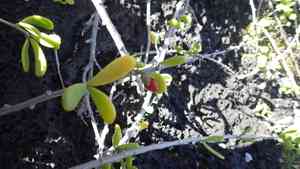
Hawai'i desert-thorn, a unique species within the Solanaceae family, originates from Hawaii. Successful propagation of hawai'i desert-thorn is achieved through cuttings; choose robust stems that incorporate nodes. Insert cuttings into a growing medium with good drainage, ensure continuous dampness, and supply filtered light to encourage root development. Consistent observation contributes to successful propagation, promoting vigorous development.
What Is the Best Time To Propagate Hawai'i Desert-thorn?
Propagation Type
Cutting
Propagation Season
Spring,Summer
What Tools Are Used in Hawai'i Desert-thorn Propagation?
Pruning Shears
Utilized for taking cuttings from hawai'i desert-thorn. Crucial for making clean cuts to prevent harm to the plant tissue, which aids in improved rooting of the cuttings.
Rooting Hormone
Assists in stimulating root formation in cuttings of hawai'i desert-thorn. Supplies the necessary chemicals to promote quicker and stronger root development.
Propagation Tray
A container for arranging the cuttings of hawai'i desert-thorn in an orderly fashion. Ensures adequate space and air circulation around each cutting, which fosters healthier root growth.
Sterile Potting Mix
Employed as the growing medium for cuttings of hawai'i desert-thorn. Must be well-draining and sterile to avert infections and encourage robust growth.
Heat Mat
Delivers warmth to the base of the cuttings of hawai'i desert-thorn, which can boost root initiation and growth by sustaining an optimal soil temperature.
Humidity Dome
Maintains elevated humidity levels around the cuttings of hawai'i desert-thorn. Helps prevent the cuttings from drying out and offers a favorable environment for root development.
Misting Bottle
Used to keep the cuttings of hawai'i desert-thorn hydrated by providing a fine spray of water. Ensures that the cuttings remain moist without becoming waterlogged.
How to Propagate Hawai'i Desert-thorn?
Propagation Type
Moderately Difficult
How to Care for Your Newly Propagated Hawai'i Desert-thorn?
How to Care for Your Newly Propagated Hawai'i Desert-thorn?
Following rooting, progressively introduce the newly rooted hawai'i desert-thorn cuttings to outdoor conditions by exposing them to direct sunlight and ambient temperatures over a period of 1-2 weeks. Once adapted, transplant the cuttings into larger containers or directly into the garden in well-draining soil. Irrigate the plants sparingly to avoid waterlogging, as hawai'i desert-thorn prefers arid conditions. Regular trimming will help maintain shape and encourage denser growth. Monitor for any indications of pests or diseases and address them promptly.
Common Mistakes to Avoid When Propagating Hawai'i Desert-thorn
Insufficient Drainage
Permitting waterlogged conditions can lead to root rot and poor plant vitality.
Improper Soil Composition
Using soil that retains too much moisture or lacks proper drainage can impede root development and health.
Over-Watering
Excessive irrigation can cause fungal proliferation and root decay, which are detrimental to propagation success.
Lack of Sunlight
Failing to provide sufficient light can result in weak and elongated growth, diminishing the chances of successful propagation.
Tips For Propagating Hawai'i Desert-thorn
Use Well-Draining Soil
Choose a soil mixture that includes sand or perlite to improve drainage and prevent waterlogging.
Moderate Watering
Water sparingly, ensuring the soil is only slightly damp to prevent root rot and fungal issues.
Provide Adequate Sunlight
Ensure exposure to ample sunlight, ideally full sun, to encourage healthy growth and robust development.
Cuttings After Roots Form
Take cuttings only after confirming roots have properly formed to give the new plant a strong start.



