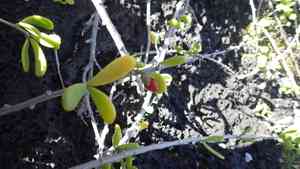
Hawai'i desert-thorn (Lycium sandwicense)
Also known as: None
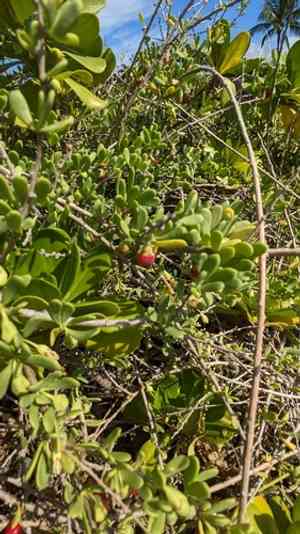
The Hawai'i desert-thorn (Lycium sandwicense) is a robust shrub indigenous to the Hawaiian Islands, particularly thriving in coastal dry shrublands and rocky, arid locales. This plant features thorny branches, compact leaves, and produces tubular flowers that give way to red or orange berries. Adapted to withstand harsh environmental conditions, it thrives in saline soils and endures strong coastal winds. Its deep root system and small, thick leaves are specifically designed to minimize water loss, ensuring its survival in nutrient-poor, dry environments.
In This Article
Attributes of Hawai'i desert-thorn
Lifespan
Perennial
Plant Type
Shrub
Plant Height
0.5 to 2 meters
Spread
1 to 3 meters
Leaf Color
Pale green
Flower Size
0.5 to 1 centimeter
Flower Color
White or pale purple
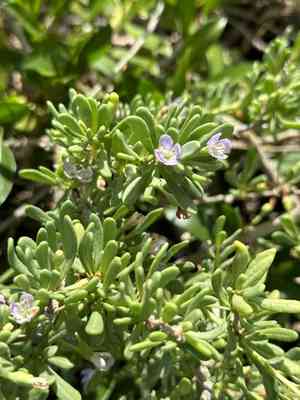
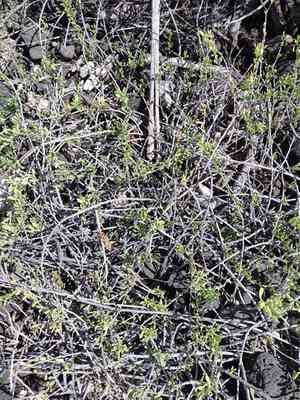
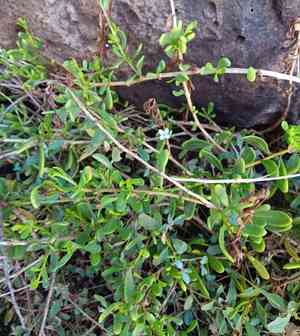
Images of Hawai'i desert-thorn
Quickly Identify Hawai'i desert-thorn
1
Identify Lycium sandwicense by its distinctive small, pale green leaves that are slightly succulent. The plant has a sprawling growth habit and produces small, tubular flowers that are typically white or pale purple in color.
Scientific Classification of Hawai'i desert-thorn
Phylum
Vascular plants
Class
Dicotyledons
Order
Solanales
Family
Nightshade
Genus
Box-thorns
Species
Hawai'i desert-thorn
Planting and Growing of Hawai'i desert-thorn
Care Difficulty
Moderate
Watering Schedule
Every 2 days
Sunlight Requirements
Full sun
Sunshine Duration
6-10 hours
Ideal Temperature
68-77℉
Soil Type
Potting Mix, Peat Mix
Soil pH
6.5-7.5
Fertilizer Type
Balanced
Pruning Season
Spring, Summer
Pruning Area
Branches, Leaves
Pruning Frequency
2 times a year
Repotting Season
Spring
Pot Type
Plastic, Ceramic
 How to Water Hawai'i desert-thorn?
For Lycium sandwicense, aim to water with around 250 ml each time. This amount ensures the soil is moist but not soggy—perfect for the plant's root health. The soil should be allowed to dry out slightly between waterings to reflect its natural habitat's conditions.
What are the symptoms of an underwatered Hawai'i desert-thorn?
›
What should I do if my Hawai'i desert-thorn is not getting enough water?
›
What are the symptoms of an overwatered Hawai'i desert-thorn?
›
How to save an overwatered Hawai'i desert-thorn?
›
 What Are the Sunlight Requirements for Hawai'i desert-thorn?
Ideal for environments offering partial to full sunlight, ensuring 6-8 hours of sun exposure daily. These conditions foster optimal photosynthesis, strengthening the plant structure and fruit yield while enhancing its resilience to stress.
Ideal amount of sunlight
›
Solution for ideal light
›
Benefits of ideal lighting
›
 What Is the Ideal Temperature Range for Hawai'i desert-thorn?
The ideal temperature range for Lycium sandwicense to thrive is between 68°F and 77°F. In this range, the plant can perform optimal photosynthesis and maintain its metabolic functions efficiently. Keeping temperatures in this specific range helps ensure the plant maintains healthy growth and development.
 What Soil is Best for Hawai'i desert-thorn?
Lycium sandwicense thrives in well-drained soils that prevent waterlogging. This aids in preventing root rot and ensures the plant receives enough oxygen at the roots, promoting healthy growth. The plant prefers soils with moderate fertility, which means it's not too nutrient-rich or too poor. This balance ensures that the plant gets enough nutrients to grow without overwhelming it, leading to robust fruiting. Slightly alkaline soil conditions, with a pH up to 7.5, suit this plant well and help in nutrient uptake, ensuring the plant remains healthy and vigorous throughout its life cycle.
 How to Fertilize Hawai'i desert-thorn?
Lycium sandwicense typically benefits from small, balanced amounts of fertilizer. Use a 10-10-10 or similar balanced fertilizer, applying about half the recommended dose for garden plants. This translates to approximately 1 tablespoon per gallon of water for liquid fertilizers.
 How to Prune Hawai'i desert-thorn?
Start by removing any dead, damaged, or diseased branches. Cut them back to the base to discourage the spread of disease and promote healthy growth. Focus on keeping a balanced shape. Trim back overgrown branches, aiming for a well-rounded bush. Keep the center open to increase airflow, which helps prevent fungal infections. Trim the tips of branches to encourage branching and healthier, bushier growth. Removing some of the older wood also stimulates the plant to produce new shoots.
More About Pruning Techniques→
 How to Propagate Hawai'i desert-thorn plant?
1
Harvest mature berries from Lycium sandwicense and extract the seeds. Clean them thoroughly to remove pulp and let them dry naturally before planting.
2
Select healthy, non-flowering branches for cuttings. Trim them to about 4-6 inches, ensuring each has several nodes, and remove leaves from the lower half.
3
Choose a well-draining, sandy loam mix for propagation. Sterilize the soil to prevent fungal infections and maintain a slightly acidic to neutral pH level.
 How to Repot Hawai'i desert-thorn plant?
1
Look for signs like roots emerging from the drainage holes or stunted growth. These are indicators that your Lycium sandwicense needs more space and should be repotted. If the current pot restricts its growth, it’s time for a new home.
2
Opt for a pot slightly larger than the current one with good drainage holes. This helps prevent waterlogging, which Lycium sandwicense dislikes. The extra room encourages root growth and better access to nutrients and water.
3
Use a well-draining sandy loam mixture. This soil type mimics its natural habitat and ensures adequate aeration and moisture control, preventing root rot. Adding some organic matter can enhance nutrient availability.
Learn More About Hawai'i desert-thorn Diseases
Anthracnose
Bacterial Leaf Spot
Bacterial Soft Rot
Bacterial Wilt
Chemical Injury
Crown Gall
Cyst Nematode
Damping-off
Downy Mildew
Drought Stress
Fusarium Wilt
Gray Mold
Leaf Curl
Leaf Spot
Mosaic
Nutrient Deficiency
Nutrient Toxicity
Powdery Mildew
Root Rot
Root-knot Nematode
Rusts
Sooty Mold
Spider Mites
Temperature Stress
Thrips Damage
White Mold



