How to Prune Hawai'i desert-thorn?
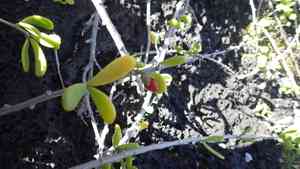
Hawai'i desert-thorn is a resilient, drought-tolerant shrub characterized by thorny stems and diminutive, persistent foliage. Perform pruning in the early spring to stimulate fresh development and preserve its form. Begin by eliminating any deceased or compromised branches, then reduce congested sections to enhance air movement. Concentrate on trimming back to viable buds. This practice deters ailments, fosters a sturdy framework, and boosts fruit yield. Verify that all implements are sanitized to prevent the spread of pathogens. Regular yearly pruning ensures the hawai'i desert-thorn remains robust and thriving.
Advantages of Trimming Hawai'i Desert-thorn
Advantages of Trimming Hawai'i Desert-thorn
Trimming hawai'i desert-thorn encourages robust development and helps maintain its form. It promotes denser foliage, eliminates dead or diseased limbs, and prevents excessive growth, improving the plant's vitality and look.
Optimal Period for Pruning Hawai'i Desert-thorn
Optimal Period for Pruning Hawai'i Desert-thorn
Pruning in early spring is considered ideal for hawai'i desert-thorn due to its natural growth and flowering cycles. At this time, the plant is typically emerging from its dormancy period and gearing up for the active growth phase. By pruning during early spring, gardeners can stimulate new growth and shape the plant before it fully enters its growth period. This timing also helps in reducing the risk of disease and pest infestations, since wounds from pruning will heal more rapidly as the weather warms up. Additionally, early spring pruning allows for better management of the plant's structure and size before it begins to flower or bear fruit, ensuring a healthier and more productive plant throughout the growing season.
Required Tools for Pruning Hawai'i Desert-thorn
Hand pruners
Perfect for making precise cuts on small branches and stems of hawai'i desert-thorn. They offer control and accuracy, which is crucial given the plant's structure.
Loppers
Effective for cutting through thicker branches of hawai'i desert-thorn. Their longer handles provide more leverage, making it easier to reach harder-to-access parts.
Pruning saw
Essential for cutting larger branches on hawai'i desert-thorn that hand pruners and loppers cannot handle. Ensures clean cuts to prevent damage and promote healthy regrowth.
Gloves
Crucial for protecting hands from thorns when handling hawai'i desert-thorn. They also provide a better grip on tools, increasing safety and efficiency.
How to Prune Hawai'i Desert-thorn
Inspection
Carefully inspect hawai'i desert-thorn for any signs of diseased leaves, withered leaves, dead branches, and diseased branches. Focus on identifying parts that look unhealthy or have stopped contributing to the plantâs overall vitality.
Tools
Ensure you have clean, sharp pruning shears or loppers. Sanitizing your tools before and after use helps prevent the spread of diseases among the plant parts being pruned.
Remove diseased leaves
Gently remove any diseased leaves by cutting them off at the base where they connect to the stem. Make sure to dispose of these leaves away from your garden to prevent any potential spread of disease.
Remove withhered leaves
Identify and trim away withered leaves. Cut these leaves off at their base, ensuring you do not damage the healthy parts of the plant.
Trim dead and diseased branches
Carefully cut back any dead branches and diseased branches. Make each cut just above a healthy bud or lateral branch to encourage new growth. Remove branches entirely if necessary to maintain the plant's health.
Cleanup
Clean up and dispose of all removed materials properly to prevent disease recurrence. Ensure the plant area is free from any debris to promote healthy regrowth.
Common Pruning Errors with Hawai'i Desert-thorn
Over-pruning
Removing too much foliage or too many branches at once can severely stress hawai'i desert-thorn, leading to poor growth, reduced flowering, or even plant death.
Incorrect Cutting Techniques
Using dull or inappropriate tools, such as scissors instead of pruning shears, can cause jagged cuts that invite disease and pests.
Pruning at the Wrong Angles
Incorrectly angled cuts can lead to water pooling on the wound, increasing the risk of fungal infections and rot.
Ignoring Dead or Diseased Wood
Failing to remove dead, dying, or diseased branches can allow problems to spread throughout hawai'i desert-thorn, compromising overall plant health.
Topping or Shearing
Unskillfully cutting the top of the plant or shearing the sides can result in weak, leggy growth and can destroy the natural shape and habit of hawai'i desert-thorn.
General Pruning Advice for Hawai'i Desert-thorn
Use Sharp, Clean Tools
Ensure that pruning shears or loppers are both sharp and sanitized to make clean cuts and prevent the spread of disease.
Make Angled Cuts
Cuts should be made at a slight angle, just above a bud or branch to help water run off and minimize the potential for rot.
Remove Crossing Branches
Eliminate branches that are crossing or rubbing against each other to reduce damage and promote better air circulation.
Target Weak or Spindly Growth
Focus on removing weak, spindly, or overly dense growth to encourage a more robust and open plant structure.
Step Back Frequently
Periodically step back to assess the plantâs shape and ensure that you are maintaining its natural form, avoiding excessive or uneven pruning.



