How to Transplant Spiked woodrush?
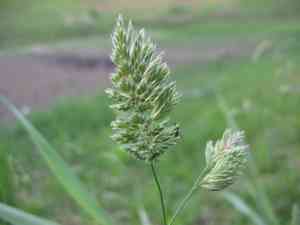
Relocate spiked woodrush during the gentle period of early to mid-spring to encourage robust development. Choose a site offering dappled light and damp earth. Carefully introduce spiked woodrush to its new environment to guarantee flourishing health.
What Preparations are Needed Before Transplanting Spiked Woodrush?
What is the Ideal Time for Transplanting Spiked Woodrush?
The prime period for relocating spiked woodrush spans from the onset of early spring through the vigorous growth of late spring. This timing capitalizes on cooler, damp soil conditions, which are perfect for root development before summer's intense growth. Choosing this window for transplantation maximizes recovery and growth potential, facilitating spiked woodrush's adaptation to its new location amidst favorable temperatures and optimal soil moisture. Consequently, spiked woodrush flourishes, fully embracing its new environment with robust growth.
How Much Space Should You Leave Between Spiked Woodrush Plants?
When you're ready to move your spiked woodrush to its new home, ensure ample room! Aim for approximately 6-8 inches (15-20 cm) between each plant. This will allow them to spread their roots and thrive without competing for nutrients.
What is the Best Soil Mix for Spiked Woodrush Transplanting?
For spiked woodrush, well-drained soil is crucial. Incorporate organic compost into your garden soil to enrich it. Beginning with a balanced fertilizer will give your spiked woodrush an excellent head start. Consider using a slow-release type, which is ideal for sustained growth support.
Where Should You Relocate Your Spiked Woodrush?
Spiked woodrush prefers a location that receives partial sunlight and some shade. Aim for a spot where it will enjoy the morning sun but remain protected from the intense afternoon rays. This provides the perfect balance for this charming perennial!
What Equipments Should You Prepare Before Transplantation Spiked Woodrush?
Gardening Gloves
To shield your hands while handling soil and plants.
Spade or Shovel
For excavating and lifting the plant's root ball.
Watering Can
To hydrate the plant before and after relocation.
Pruning Shears
To trim any dead or damaged roots and foliage.
Garden Fork
To loosen the soil at the new planting site.
Wheelbarrow or Garden Cart
To transport the plant and soil.
Mulch
To cover the soil around the new site and retain moisture.
Stake and Ties
To provide support for the plant if necessary.
How Do You Remove Spiked Woodrush from the Soil?
How Do You Remove Spiked Woodrush from the Soil?
From Ground: Hydrate the spiked woodrush plant to moisten the soil, facilitating easier removal. Using a spade or shovel, dig a wide circle around the plant to prevent damage to its root system. Gently pry the root ball from the ground, being careful not to disturb the roots excessively.From Pot: Carefully tilt the pot sideways and tap the base to loosen the spiked woodrush's root ball. Coax the plant out by pulling the stem's base or by pushing the roots through the drainage hole if accessible.From Seedling Tray: Moisten the soil and carefully lift the spiked woodrush seedling with a trowel or by gently pulling the stem's base, ensuring the root ball emerges with minimal disruption.
Step-by-Step Guide for Transplanting Spiked Woodrush
Preparing the New Site
Ensure the planting hole at the new location is sufficiently large for the spiked woodrush's root ball. Amend the soil at the bottom with compost, if available, for improved root growth.
Root Ball Care
Inspect the spiked woodrush's root ball and trim away any dead or overly long roots with pruning shears, being careful not to cut too much.
Planting
Lower the spiked woodrush into the new hole, keeping the top of the root ball level with the surrounding ground. Gently backfill the hole with soil and press down to remove air pockets.
Stabilizing the Plant
If the spiked woodrush is tall or top-heavy, provide support with stakes and soft ties, positioning them without harming the root ball.
Final Steps
Water the spiked woodrush thoroughly to settle the soil around the roots. If needed, add a layer of mulch around the plant to help retain moisture.
How Do You Care For Spiked Woodrush After Transplanting?
Initial Watering
Maintain consistent soil moisture around the spiked woodrush, especially in the initial period after transplant, without over-saturating.
Monitoring Growth
Observe the spiked woodrush for indications of transplant stress, such as wilting or yellowing leaves, and take corrective measures if necessary.
Troubleshooting Common Issues with Spiked Woodrush Transplantation.
When is the best time to transplant spiked woodrush?
Transplant spiked woodrush during cooler weather, typically from early to late spring for optimal root establishment.
What spacing is recommended when transplanting spiked woodrush?
Space spiked woodrush approximately 6-8 inches (15-20 cm) apart to ensure adequate room for growth.
How deep should the hole be for transplanting spiked woodrush?
The hole should be slightly larger than the root ball of spiked woodrush, allowing roots space to expand.
What to do if spiked woodrush wilts after transplanting?
Ensure sufficient watering and shade, as spiked woodrush may experience transplant shock. Keep the soil consistently moist.
How to prepare the soil for spiked woodrush transplantation?
Enrich soil with organic matter and ensure it's loose and well-draining to support spiked woodrush's growth.
Can spiked woodrush be transplanted in a container?
Yes, spiked woodrush can be transplanted in a container with proper drainage and enough space for root development.
Why is my transplanted spiked woodrush not growing well?
Check soil conditions, water availability, and light exposure. Adjust care as needed for spiked woodrush to thrive.
How to acclimate spiked woodrush before transplanting?
Gradually expose spiked woodrush to outdoor conditions over several days to minimize transplant shock.
Is it necessary to fertilize spiked woodrush after transplanting?
Wait a few weeks before fertilizing to prevent burning new roots, then use a balanced fertilizer.
How often should I water spiked woodrush after transplanting?
Keep soil evenly moist but not waterlogged. Water spiked woodrush regularly, depending on weather conditions and soil type.



