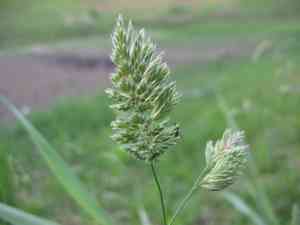
Spiked woodrush (Luzula spicata)
Also known as: Spiked Wood-rush
Spiked woodrush (Luzula spicata) is a perennial, grass-like plant that thrives in moist, well-drained soils. It is commonly found in alpine and subalpine regions, including meadows and rocky slopes. This plant is well-suited to colder climates and can be found at higher elevations in warmer areas, while in cooler regions like Alaska, it can grow near sea level. It often grows in environments with partial shade provided by other vegetation.
In This Article
Attributes of Spiked woodrush
Lifespan
Perennial
Plant Type
Grass
Plant Height
7 cm to 32 cm
Spread
Not applicable, as it typically has a tufted growth habit rather than a wide spreading crown.
Leaf Color
Green Blue
Flower Size
Approximately 0.5 cm
Flower Color
White Yellow Purple Brown
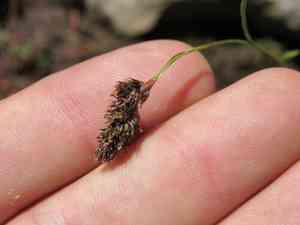
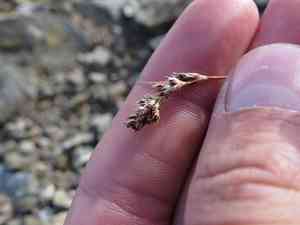
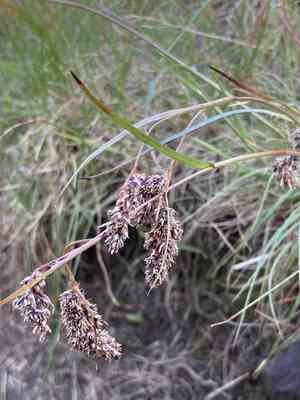
Images of Spiked woodrush

Quickly Identify Spiked woodrush
1
Luzula spicata can be identified by its grass-like leaves which are hairy on the margins and its spike-like clusters of small brownish flowers. The inflorescence is typically erect and consists of several spikelets.
Scientific Classification of Spiked woodrush
Phylum
Vascular plants
Class
Monocotyledons
Order
Poales
Family
Rush
Genus
Wood-rush
Species
Spiked woodrush
Planting and Growing of Spiked woodrush
Care Difficulty
Easy
Watering Schedule
Every 4 days
Sunlight Requirements
Partial sun
Sunshine Duration
4-8 hours
Ideal Temperature
50-68℉
Soil Type
Potting Mix, Peat Mix
Soil pH
6.5-7.5
Fertilizer Type
Balanced
Pruning Season
Spring, Summer
Pruning Area
Branches, Leaves
Pruning Frequency
2 times a year
Repotting Season
Spring
Pot Type
Plastic, Ceramic
 How to Water Spiked woodrush?
When watering Luzula spicata, aim to provide approximately 250 ml of water per session, ensuring that the soil feels evenly moist but not waterlogged. This plant prefers to have its soil damp, mimicking a cool, mountainous habitat where it naturally thrives, but excessive water should drain to prevent root issues.
What are the symptoms of an underwatered Spiked woodrush?
›
What should I do if my Spiked woodrush is not getting enough water?
›
What are the symptoms of an overwatered Spiked woodrush?
›
How to save an overwatered Spiked woodrush?
›
 What Are the Sunlight Requirements for Spiked woodrush?
Luzula spicata ideally thrives in partial sun to full sun, experiencing a mix of light and shade. This balanced light exposure ensures healthy leaf development and vigorous growth, maximizing its physiological functions.
What is the ideal light for Luzula spicata?
›
How can you ensure Luzula spicata gets ideal light?
›
What happens when Luzula spicata receives ideal light?
›
 What Is the Ideal Temperature Range for Spiked woodrush?
For optimal growth, Luzula spicata thrives best in temperatures between 50°F and 68°F. This range provides the ideal conditions for metabolic processes and photosynthesis, facilitating healthy foliage and flowering. Maintaining consistent temperatures in this range helps ensure robust plant development.
 What Soil is Best for Spiked woodrush?
Luzula spicata thrives in well-drained soil, which prevents root rot and fungal diseases. Ensuring that water doesn't accumulate around the roots is crucial for maintaining plant health and vitality. The plant prefers soil that offers moderate levels of organic matter. This balance supports steady growth without causing excessive foliage at the expense of flower production. A pH level between 6.5 and 7.5 allows this plant to access essential nutrients. Maintaining this pH range is key to preventing nutrient deficiencies that could stunt its growth.
 How to Fertilize Spiked woodrush?
For Luzula spicata, use a balanced 10-10-10 liquid fertilizer. Apply a light dose, diluting the recommended concentration to half strength. Start with around 1 teaspoon per gallon of water during active growth periods.
 How to Prune Spiked woodrush?
Begin by identifying any dead, diseased, or damaged leaves on the Luzula spicata. Trim these away first. Next, shape the plant by selectively cutting back overgrown sections, maintaining its natural form. Be sure not to cut more than one-third of the total foliage at a time. After pruning, water the plant thoroughly to help it recover. Consider applying a balanced fertilizer to promote new growth. Ensure the plant receives adequate light but is protected from intense midday sun that might stress it.
More About Pruning Techniques→
 How to Propagate Spiked woodrush plant?
1
Harvest seeds from a mature Luzula spicata plant in late summer when the seed heads have dried. Cut the heads and place them in a paper bag to dry further in a well-ventilated area. Once fully dry, extract the seeds by gently shaking the bag.
2
Sow the seeds in early spring using seed trays filled with a well-draining seed starting mix. Press the seeds lightly onto the surface, covering them with a thin layer of vermiculite. Keep the trays in a bright location and water gently to maintain moisture.
3
In late summer, dig up a mature Luzula spicata clump. Use a sharp knife or garden fork to divide the clump into smaller sections, ensuring each has a good portion of roots. Replant the sections immediately to prevent drying of the roots.
 How to Repot Spiked woodrush plant?
1
Luzula spicata should be repotted when you notice the roots starting to emerge from the drainage holes of the pot or when its growth seems stunted despite adequate care. Spring is ideal for repotting as it aligns with the plant's natural growth phase, allowing it to recover quickly.
2
Choose a pot that is slightly larger than the current one but provides ample drainage holes to prevent waterlogging. A pot that's too big can lead to excessive moisture retention, which can be detrimental, while a pot that's too small can restrict root growth.
3
Select a well-draining potting mix that retains some moisture but doesn't stay overly soggy. A mix of peat, sand, and compost works well, ensuring the roots receive adequate air while retaining enough moisture to sustain the plant's needs.



