How to Prune Spiked woodrush?
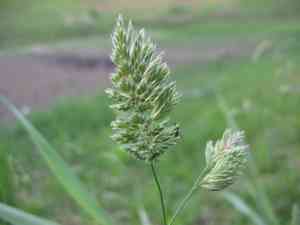
This enduring grass-like variety flourishes in colder environments and favors damp ground. For spiked woodrush, trimming requirements are slight. Just snip off any deceased or discolored leaves in the early spring or during winter to foster robust development and preserve a neat look. This also facilitates improved air circulation and lowers the likelihood of illness. By eliminating aged growth, cultivators can encourage fresh sprouts, boosting the plant's vitality and visual charm.
Advantages of Trimming Spiked Woodrush
Advantages of Trimming Spiked Woodrush
Trimming spiked woodrush ensures robust growth by eliminating dead or diseased leaves, enhancing air circulation. Trimming also helps maintain an appealing form, crucial for garden aesthetics.
Optimal Time for Trimming Spiked Woodrush
Optimal Time for Trimming Spiked Woodrush
Trimming spiked woodrush in early spring is ideal, just before new growth starts. Cutting back the plant then encourages healthy new development and allows for removal of winter damage. Winter trimming, when spiked woodrush is dormant, minimizes plant stress and reduces disease risk, as many pathogens are inactive in cold weather. This timing also offers clear visibility of the plant's structure, simplifying strategic cuts. Avoid trimming during the active growth or flowering periods of spiked woodrush to prevent disrupting growth and natural reproductive cycles.
Tools Required for Trimming Spiked Woodrush
Hand Pruners
Spiked woodrush is a small, grass-like perennial. Hand pruners or secateurs are best for selectively cutting back dead or yellowed foliage. Their precision allows for careful trimming without harming healthy parts of spiked woodrush.
Pruning Shears
For trimming multiple leaves or thinning dense growth of spiked woodrush, pruning shears are effective, providing quick, clean cuts and minimizing damage to the plant's structure.
Garden Scissors
To snip off spent flower stalks or shape spiked woodrush, garden scissors are perfect, especially for hard-to-reach spots, thanks to their sharp, pointed blades.
Gloves
Though not a cutting tool, wearing gloves is advised to protect your hands when handling spiked woodrush, ensuring gardener safety.
How to Trim Spiked Woodrush
Clean tools
Sanitize pruning shears with a bleach or alcohol solution to prevent disease spread.
Identify diseased
Carefully inspect spiked woodrush for signs of diseased leaves, such as discoloration or spots.
Prune diseased
Gently remove diseased leaves by cutting at the base where the leaf stem meets the main plant stem, ensuring not to harm healthy tissue.
Identify withered
Locate withered leaves on spiked woodrush, which are typically dry, brown, or brittle.
Prune withered
Trim off withered leaves at their base, using clean cuts to promote quick healing and avoid unnecessary stress on spiked woodrush.
Common Trimming Errors with Spiked Woodrush
Over pruning
Removing too much foliage at once, which can stress spiked woodrush and reduce its vitality.
Improper tool use
Using dull or dirty tools can damage the stems of spiked woodrush, leading to disease and poor recovery.
Trimming too close
Cutting too near the crown can harm the growing center of spiked woodrush and potentially kill the plant.
Removing healthy growth
Mistakenly trimming away healthy leaves and stems, which can limit the photosynthetic capacity of spiked woodrush.
Ignoring dead material
Failing to remove dead or diseased material, which can hinder new growth and attract pests.
General Trimming Advice for Spiked Woodrush
Clean tools
Always use sharp, clean pruning shears or scissors to make precise cuts and prevent disease spread to spiked woodrush.
Selective trimming
Carefully choose only brown, dead, or damaged foliage to trim, ensuring you maintain the natural shape of spiked woodrush.
Cutting technique
Make angled cuts away from the crown to encourage water runoff and prevent rot at the base of spiked woodrush.
Post trimming care
Water spiked woodrush after trimming to aid recovery and apply a balanced fertilizer to promote healthy regrowth.
Gradual trimming
Trim gradually over time rather than all at once to maintain the health and stress resilience of spiked woodrush.
Final check
After trimming, perform a final inspection for any missed dead or damaged stems, removing them to tidy up spiked woodrush.



