How to Propagate Spiked woodrush?
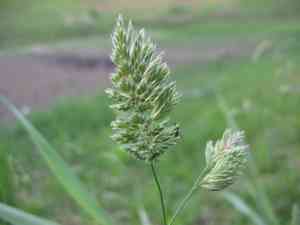
Luzula spicata flourishes most effectively when multiplied by separation. For optimal development, separate the specimen in early spring as its growth cycle commences. Delicately excavate around the plant, carefully extracting it from the earth while preserving a substantial portion of its root system. Segment it into smaller clusters, ensuring every piece possesses both roots and emerging shoots. Immediately replant these segments in damp, adequately draining soil, positioning them with sufficient distance for subsequent expansion. Initial consistent irrigation will aid in the plants' establishment.
Optimal Time for Spiked Woodrush Propagation
Propagation Method
Division
Propagation Period
Spring,Autumn
Tools for Spiked Woodrush Propagation
Garden Spade
A robust garden spade is crucial for the division process, enabling cultivators to precisely dig around and beneath the root ball of spiked woodrush. It offers the necessary leverage to gently lift the plant from the soil, minimizing root damage and ensuring a healthy foundation for division.
Root Pruning Shears
Sharp, clean root pruning shears are necessary for making clean cuts through the roots of spiked woodrush during division. This tool assists in precise cutting, facilitating the separation of the plant into smaller clumps while preserving root integrity, vital for the rapid establishment of each division.
Garden Fork
A garden fork is beneficial for loosening the soil surrounding spiked woodrush before lifting it for division. This tool aids in aerating the soil and minimizing disturbance to the root system, which is important for maintaining the plantâs health throughout the propagation process.
Watering Can with a Fine Rose
After replanting the divisions of spiked woodrush, using a watering can with a fine rose is advised to gently water the plant, ensuring uniform moisture distribution without eroding the soil or disturbing the newly planted divisions. Proper watering supports the recovery and establishment of spiked woodrush in its new location.
Labeling Stakes and Marker
Labeling stakes paired with a permanent marker allow for clear identification and tracking of each spiked woodrush division. This is especially useful for noting the division date and any specific care needs, contributing to effective management and monitoring of plant growth post-propagation.
How to Propagate Spiked Woodrush?
Propagation Type
Easy
Caring for Your Newly Propagated Spiked Woodrush
Caring for Your Newly Propagated Spiked Woodrush?
Following spiked woodrush propagation, it's vital to maintain consistent soil moisture, avoiding overwatering. Place the plant in an environment that mimics its natural habitat, typically partial to full shade. Minimal fertilization is required; a light application of a balanced, slow-release fertilizer once annually during the growing season can suffice. As spiked woodrush establishes, monitor for pests and diseases, though spiked woodrush is generally resilient. Appropriate care will ensure the healthy growth and spread of spiked woodrush.
Common Mistakes to Avoid When Propagating Spiked Woodrush
Overwatering
Providing excessive water can lead to root rot and fungal issues for spiked woodrush, as it prefers well-drained conditions. Too much moisture might also impede root development in newly propagated plants.
Using Poor Soil Mix
Employing a soil mix that drains poorly or lacks organic matter can be detrimental. Spiked woodrush thrives in soil that emulates its natural alpine or woodland settings, which are typically rich and well-aerated.
Deep Planting
Planting divisions or seeds too deeply can prevent spiked woodrush from sprouting effectively. This error can cause seeds to rot or new shoots to be unable to penetrate the soil surface.
Tips For Propagating Spiked Woodrush
Use Fresh Seeds
For seed propagation, ensure seeds are fresh to maintain high viability. Older seeds may not germinate well, reducing the success of propagation efforts for spiked woodrush.
Ensure Proper Depth
When planting seeds or dividing the plant, avoid covering them too deeply. A light soil cover is sufficient to allow for adequate light exposure and air circulation, which are crucial for germination and growth.
Provide Adequate Moisture
While overwatering is detrimental, maintaining a balance is key. Ensure the soil is consistently moist but well-drained to support healthy root development without causing rot.
Use Appropriate Soil Mix
Opt for a soil mix that provides good drainage and mimics the natural substrate of spiked woodrush. Incorporating organic matter such as peat or compost can enhance soil structure and nutrient content.
Careful Handling of Roots
During division, handle the roots of spiked woodrush gently to prevent damage. Stressed or broken roots can hinder the establishment and growth of new plants.



