How to Transplant Varied lupine?
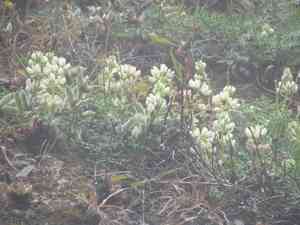
Relocate varied lupine once winter's cold recedes and longer days bring warmth, generally from the onset of early spring until the close of late spring. Select a sun-drenched area featuring soil that drains effectively. Pick a site that emulates varied lupine's native coastal or mountainous surroundings. Carefully introduce varied lupine to its new setting to guarantee successful integration.
What Preparations are Needed Before Transplanting Varied Lupine?
What is the Ideal Time for Transplanting Varied Lupine?
The best time to move varied lupine is from early spring's awakening until the start of summer. This period allows the soil to warm, promoting root growth and minimizing transplant shock. Choosing this window for transplantation aligns with nature's rhythm, setting the stage for strong development and a stunning display of varied lupine's flowers. A friendly reminder: this careful timing maximizes success, ensuring varied lupine thrives in its new spot with plenty of time to settle before summer's heat.
How Much Space Should You Leave Between Varied Lupine Plants?
When preparing to rehome your varied lupines, remember they appreciate ample room for their roots to expand. Aim for a distance of approximately 12-18 inches (30-46 cm) between each plant. This spacing should provide sufficient area for them to grow robustly and healthily!
What is the Best Soil Mix for Varied Lupine Transplanting?
Your varied lupines will flourish in soil that drains well. Before planting, incorporate some organic compost to provide a nutrient-rich beginning. A balanced, slow-release fertilizer will help prepare for a successful transplant. Target soil with a pH that is neutral to slightly acidic!
Where Should You Relocate Your Varied Lupine?
Select a sunny location that receives at least 6 hours of daily sunlight for your varied lupine. These beautiful plants enjoy soaking up the sun, though in very hot regions, they will benefit from some afternoon shade. Just ensure the spot gets enough light to brighten their day!
What Equipments Should You Prepare Before Transplantation Varied Lupine?
Gardening Gloves
To safeguard your hands while handling soil and plants.
Trowel or Garden Spade
For excavating the plant and creating a hole in the new ground.
Watering Can or Hose
To hydrate the plant before and after its relocation.
Pruning Shears
To trim any dead or damaged roots or foliage if necessary.
Measuring Tape
To determine the correct depth and spacing for planting.
Wheelbarrow or Garden Cart
For moving the plant and soil materials.
Garden Fork or Soil Knife
To gently separate tangled roots if they are pot-bound.
How Do You Remove Varied Lupine from the Soil?
How Do You Remove Varied Lupine from the Soil?
From Ground: First, thoroughly water the varied lupine to moisten the soil. Carefully dig a wide circle around the plant with a trowel or garden spade, ensuring the root ball remains intact. Slowly work the tool underneath to lift the plant from the soil.From Pot: Gently tap the pot's sides to loosen the soil. Tilt the pot sideways and support the varied lupine by its base as you carefully slide it out. If it resists, use a garden fork or soil knife to assist in removing the plant without harming the roots.From Seedling Tray: Water the seedlings to dampen the soil, making removal easier. Use a trowel or a dibber to carefully lift each plant from its cell, taking care not to damage the delicate roots and shoots.
Step-by-Step Guide for Transplanting Varied Lupine
Preparing the Plant
Before transplanting, ensure the varied lupine is well-watered to minimize transplant shock.
Uprooting with Care
Carefully remove the varied lupine from its current location, avoiding excessive disturbance to the root system.
Hole Preparation
Dig a hole in the new spot that is twice as wide and as deep as the varied lupine's root ball.
Placing the Plant
Lower the varied lupine into the hole, positioning it so the stem's base is level with the surrounding ground.
Refilling the Hole
Backfill the hole with the excavated soil, gently firming it around the varied lupine's base to eliminate air pockets and provide stability.
Watering In
Water the varied lupine generously immediately after planting to help settle the soil around its roots.
How Do You Care For Varied Lupine After Transplanting?
Staking
If the varied lupine is tall or in a windy area, use a stake and soft ties for extra support.
Regular Watering
Maintain consistent soil moisture, especially during the initial weeks to help the varied lupine establish itself.
Mulching
Apply a layer of organic mulch around the varied lupine to help retain soil moisture and control weeds.
Checking for Pests
Regularly inspect the varied lupine for signs of pests or diseases and treat them as needed.
Trimming
Remove any dead or yellowing leaves to redirect the plant's energy towards new growth.
Troubleshooting Common Issues with Varied Lupine Transplantation.
Why should I transplant varied lupine in spring?
Moving varied lupine during early to late spring takes advantage of mild temperatures and moist soil, promoting root establishment.
How far apart should I space varied lupine plants?
Ideally, place varied lupine plants 12-18 inches (30-45.7 cm) apart. This spacing allows ample room for growth and air circulation.
What's the best way to prepare the soil for varied lupine?
Enrich the soil with well-decomposed compost before planting to ensure a nourishing environment for varied lupine's roots.
How deep should I plant varied lupine's roots?
The root ball should be buried so its top is level with the surrounding soil to prevent stem rot.
My varied lupine looks wilted after planting, is this normal?
Some wilting is normal. Ensure consistent moisture and protect from strong sunlight until the varied lupine recovers.
How much water does varied lupine need after transplanting?
Water varied lupine thoroughly after planting and keep the soil moist until it's well established, avoiding waterlogging.
Can I use mulch around my newly transplanted varied lupine?
Absolutely! Mulch helps retain moisture and suppress weeds, just keep it away from the plant's base.
Should I transplant varied lupine on a sunny or cloudy day?
A cloudy day is ideal as it reduces transplant shock by limiting exposure to intense sunlight.
What should I do if my varied lupine isn't thriving post-transplant?
Ensure you've followed care requirements. If problems persist, check for pests, disease, and proper watering.
How soon can I feed my varied lupine after transplanting?
Wait 4-6 weeks to apply a balanced fertilizer to give varied lupine time to settle without burning the roots.



