How to Prune Varied lupine?
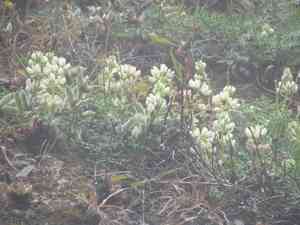
Perfect for rustic gardens, diverse lupine displays vibrant flower spikes and hand-shaped foliage. In early spring, remove any lifeless or frail stalks to stimulate robust development. After flowering, snip off faded bloom stems to foster a subsequent wave of flowers. Consistent removal of spent blooms improves aesthetics and deters unwanted self-propagation. Refrain from severe trimming in autumn; allow the leaves to remain for winter safeguarding. Trimming during the spring-summer period coincides with active growth phases, positively impacting plant vitality and flowering output.
Advantages of Trimming Varied Lupine
Advantages of Trimming Varied Lupine
Trimming varied lupine promotes robust development and maintains its form, leading to a more attractive look and a sturdy structure, which aids in preventing harm from environmental pressures.
Optimal Time for Trimming Varied Lupine
Optimal Time for Trimming Varied Lupine
Trimming varied lupine in Spring is best as it marks the start of its active growth phase, and pruning can stimulate new growth and help shape the plant. Early Summer trimming should occur immediately after flowering to remove faded blooms and encourage a second wave of blossoms. Additionally, light trimming can help maintain varied lupine's desired shape and size. Fall trimming involves removing dead or diseased stems to prepare varied lupine for dormancy and prevent potential issues during winter. Pruning during these seasons aligns with varied lupine's natural growth cycle and enhances its health and blooming potential.
Tools Required for Trimming Varied Lupine
Bypass Pruners
Perfect for making clean cuts on varied lupine's green, living growth, which can help prevent damage to its delicate stems.
Gloves
Protect the gardener's hands from varied lupine's spiky foliage during the trimming process.
Pruning Saw
Useful for removing thicker, woodier stems that might be too large for bypass pruners to handle effectively.
How to Trim Varied Lupine
Sanitization
Before beginning, ensure all trimming tools are clean and sharp to prevent disease transmission to varied lupine.
Identification
Locate the withered leaves on varied lupine, distinguishing them from healthy growth to avoid unnecessary cutting.
Removal
Using scissors or pruning shears, snip the withered leaves at their base where they meet the stem or a main branch, being careful not to harm the plant's healthy tissues.
Disposal
Remove the cut leaves from the area around varied lupine to prevent potential disease and deter pests.
Inspection
After trimming, examine varied lupine for any signs of illness or stress and monitor its recovery and regrowth over the next few days.
Common Trimming Errors with Varied Lupine
Over-trimming
Removing too much growth at once, which can stress varied lupine and lead to reduced vigor and flowering.
Dull tool use
Using blunt or dirty trimming tools can cause unnecessary damage and create entry points for disease.
Shearing
Treating varied lupine like a hedge and shearing it can ruin its natural shape and hinder proper flowering.
Trimming wet plants
Trimming varied lupine when it's wet can spread diseases among plants.
Neglecting deadheading
Failing to remove spent flowers, which can result in fewer blooms and undesired seed production.
Ignoring plant shape
Not considering varied lupine's natural growth habit when trimming, leading to an undesirable form.
General Trimming Advice for Varied Lupine
Clean cut
Make clean, angled cuts to avoid stem damage and promote quick healing.
Trim after flowering
Cut back flower stems after blooming to encourage a second flush of flowers.
Thin out
Thin out crowded areas to improve air circulation, which helps prevent fungal diseases.
Sanitize tools
Always use sanitized trimming tools to prevent pathogen spread.
Moderate trimming
Trim moderately to maintain plant health without compromising the next season's blooms.
Deadheading
Regularly remove spent blooms to direct the plant's energy into producing more flowers.



