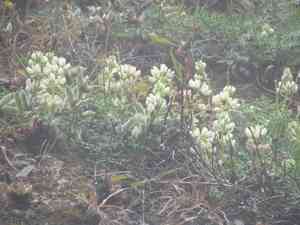
Varied lupine (Lupinus variicolor)
Also known as: Miniature Lupine, Harlequin Lupine
Consider planting the California Lilac (Ceanothus) in your coastal California garden. This native plant is renowned for its vibrant clusters of blue flowers, which attract a variety of butterflies, including endangered species. California Lilac is highly popular in coastal gardens due to its salt tolerance and striking floral display.
In This Article
Attributes of Varied lupine
Lifespan
Annual, Perennial
Plant Type
Herb
Plant Height
30 cm to 61 cm
Spread
60 cm
Leaf Color
Green Blue Bronze
Flower Size
1-2 cm
Flower Color
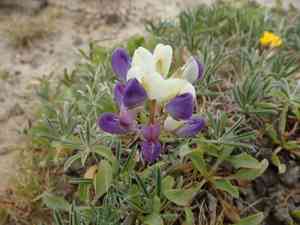
White Yellow Purple Blue
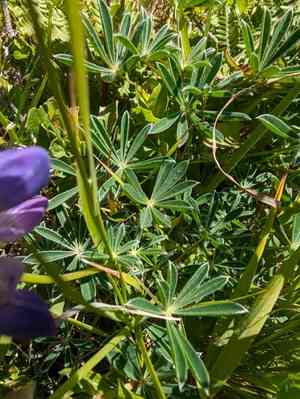
Images of Varied lupine
Quickly Identify Varied lupine
1
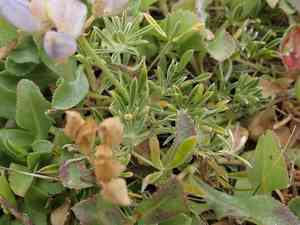
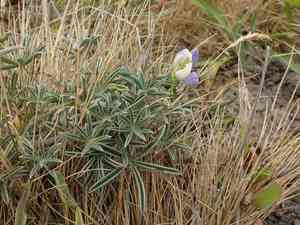
To identify Lupinus variicolor, look for its distinct palmate leaves with 5-9 leaflets, and colorful flowers that range from blue, purple to white. The plant typically has a bushy appearance and grows up to 20-50 cm tall.
Scientific Classification of Varied lupine
Phylum
Vascular plants
Class
Dicotyledons
Order
Fabales
Family
Legume
Genus
Lupines
Species
Varied lupine
Planting and Growing of Varied lupine
Care Difficulty
Moderate
Watering Schedule
Every 4 days
Sunlight Requirements
Full sun
Sunshine Duration
4-8 hours
Ideal Temperature
60-75℉
Soil Type
Potting Mix, Peat Mix
Soil pH
6.5-7.5
Fertilizer Type
Balanced
Pruning Season
Spring, Summer
Pruning Area
Branches, Leaves
Pruning Frequency
2 times a year
Repotting Season
Spring
Pot Type
Terracotta, Plastic
 How to Water Varied lupine?
Lupinus variicolor, like many lupines, prefers its soil to be moist but not soggy. With each watering, aim to achieve around 500 ml of water per session. The goal is to reach the plant's roots without leaving the soil waterlogged, ensuring efficient absorption while also allowing for oxygen to permeate. Always ensure that the top one to two inches of soil are dry before watering again.
What are the symptoms of an underwatered Varied lupine?
›
What should I do if my Varied lupine is not getting enough water?
›
What are the symptoms of an overwatered Varied lupine?
›
How to save an overwatered Varied lupine?
›
 What Are the Sunlight Requirements for Varied lupine?
Lupinus variicolor ideally flourishes under full sun exposure. Full sun ensures strong photosynthesis, resulting in robust plant structure and a stunning array of vibrant blooms.
More About Sunlight Requirements Techniques→
What type of light does Lupinus variicolor prefer?
›
How to achieve the ideal light conditions for Lupinus variicolor?
›
What are the benefits of proper lighting for Lupinus variicolor?
›
 What Is the Ideal Temperature Range for Varied lupine?
Lupinus variicolor thrives best when maintained in an environment where the temperature ranges between 60°F and 75°F. These conditions allow for optimal biochemical processes within the plant that promote vigorous growth and flowering.
 What Soil is Best for Varied lupine?
Lupinus variicolor thrives in well-drained soil, as its roots require oxygen to function efficiently. Well-drained soil helps prevent waterlogging, which can lead to root rot. This condition enhances the plant's overall health and growth, leading to vibrant blooms. This plant appreciates soil that has an ample supply of nutrients. Incorporating organic matter like compost can significantly improve the soil's fertility, encouraging vigorous flowering and foliage. Lupinus variicolor prefers slightly acidic soil, which facilitates better nutrient uptake. The ideal pH range supports healthy plant development and ensures the availability of essential minerals.
 How to Fertilize Varied lupine?
When fertilizing Lupinus variicolor, use a balanced liquid fertilizer diluted to half the recommended strength. Be cautious not to over-fertilize as lupines prefer poor to moderately fertile soil. Approximately 100-150 ml of diluted solution per plant is sufficient.
 How to Prune Varied lupine?
Start by removing any dead, damaged, or diseased stems to encourage healthy growth. Look for brown, brittle wood and cut it back to the healthy tissue. After blooming, prune back the flower spikes to encourage a second flush of blooms. Cut back to the main stem just above a leaf joint to encourage side branching. To maintain an attractive shape and limit size, trim back overly long stems, focusing on maintaining an open, airy structure to improve airflow through the plant.
More About Pruning Techniques→
 How to Propagate Varied lupine plant?
1
Fill seed trays with a quality potting mix and water lightly to moisten without waterlogging. Ensure the soil is even and lightly compacted.
2
Scatter Lupinus variicolor seeds evenly over the surface of the prepared seed trays. Cover lightly with a layer of potting mix, about twice the thickness of the seed.
3
Place the seed trays in a warm, bright area with indirect sunlight. Maintaining a consistent temperature of around 15-20°C will aid germination, which typically occurs in 10-20 days.
 How to Repot Varied lupine plant?
1
Lupinus variicolor should be repotted when you observe signs like roots emerging from the drainage holes or the plant appears to be overcrowded. This typically happens every two to three years. Spring or summer is ideal for repotting as the plant can adjust in warm weather. Keep an eye out for sluggish growth which may also indicate it's time to refresh the plant's environment.
2
Choose a pot that is only slightly larger than the current one, with ample drainage holes at the bottom. A terracotta pot is a great choice as it allows for natural aeration and moisture control, preventing the roots from sitting in soggy soil. The pot should provide enough space for root expansion while minimizing the risk of overwatering.
3
Opt for a well-draining, sandy loam soil mix. This type of soil ensures good drainage while maintaining adequate moisture for the plant. A mix enriched with organic matter such as compost can provide essential nutrients, supporting healthy growth and vibrant blooms. Avoid heavy clay soils that retain water and risk root rot.
Toxicity
Ingestion
WARNING
The judgment on toxicity and danger is for reference only. We DO NOT GUARANTEE any accuracy of such judgment. Therefore, you SHALL NOT rely on such judgment. It is IMPORTANT TO SEEK PROFESSIONAL ADVICE in advance when necessary.
Learn More About Varied lupine Diseases
Anthracnose
Bacterial Leaf Spot
Bacterial Wilt
Crown Gall
Cyst Nematode
Damping-off
Downy Mildew
Drought Stress
Fusarium Wilt
Gray Mold
Leaf Curl
Leaf Spot
Mosaic
Nutrient Deficiency
Nutrient Toxicity
Powdery Mildew
Root Rot
Root-knot Nematode
Rusts
Sooty Mold
Spider Mites
Temperature Stress
Thrips Damage
White Mold



