The Varied lupine Plant Advantage: Maximizing Home and Office Appeal and Wellness
1
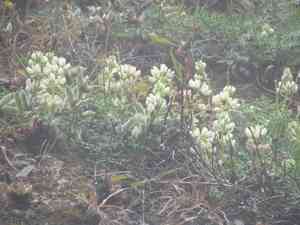
Diverse lupine aids in fixing nitrogen in the soil, naturally enhancing its fertility.
2
This particular plant variety contributes to increased biodiversity and better habitat conditions.
3
Diverse lupine showcases attractive flowers, making it a favored choice for decorative landscaping.
What are the Environmental Benefits of Varied lupine?
Soil Nitrogen Fixation
A key characteristic of Varied lupine is its capacity to fix nitrogen in the soil. This process involves the plant's roots forming nodules that host nitrogen-fixing bacteria. These bacteria convert atmospheric nitrogen into a usable form for plants, effectively enriching the soil. This natural method of enhancing soil fertility reduces the need for chemical fertilizers, fostering healthier and more sustainable agricultural practices.
Improving Soil Structure
Varied lupine also contributes to improving soil structure. The robust root system of this plant helps to break up compacted soil, allowing for better water infiltration and aeration. This can lead to increased soil health, supporting a wider range of plant species and creating a more resilient ecosystem.
How Does Varied lupine Support Biodiversity?
Providing Habitat for Insects
Varied lupine plays a crucial role in supporting local biodiversity by offering habitat for various insects, including bees and butterflies. The plant's flowers are a rich source of nectar, attracting pollinators vital for the health of many ecosystems. By cultivating Varied lupine in gardens and natural areas, we can support these important insect populations.
Supporting Other Plant Species
Due to its nitrogen-fixing capabilities, Varied lupine indirectly supports the growth of other plant species. Enhanced soil fertility means that a greater diversity of plants can flourish in the same area. This creates a more complex and resilient ecosystem capable of sustaining a wide range of life forms.
Why is Varied lupine Great for Ornamental Gardening?
Aesthetic Appeal
Varied lupine is known for its striking beauty, featuring vibrant blooms that come in a variety of colors. This makes it an excellent choice for ornamental gardening, providing visual interest and enhancing the overall aesthetic of gardens and landscaped areas. Its unique appearance sets it apart from more common garden plants, offering a distinctive and appealing option for gardeners.
Low Maintenance
Another benefit of Varied lupine in ornamental gardening is its relatively low maintenance requirements. Once established, this plant is hardy and resistant to various pests and diseases. This means that it requires less intervention, making it an excellent choice for those looking to maintain a beautiful garden with minimal effort.
How Can Varied lupine Be Integrated into Sustainable Farming?
Cover Cropping
In sustainable farming, Varied lupine can be used effectively as a cover crop. Cover crops are plants grown primarily to benefit the soil rather than for crop production. Using Varied lupine in this way helps to prevent soil erosion, retain moisture, and suppress weeds, all while naturally enriching the soil with nitrogen. This practice supports more sustainable and environmentally-friendly farming methods.
Companion Planting
Varied lupine can also be employed in companion planting strategies. It can be grown alongside other crops to improve their growth and yield. The nitrogen fixed by Varied lupine becomes available to neighboring plants, reducing the need for synthetic fertilizers and promoting a healthier and more natural growing environment.



