How to Transplant Longleaf bush lupine?
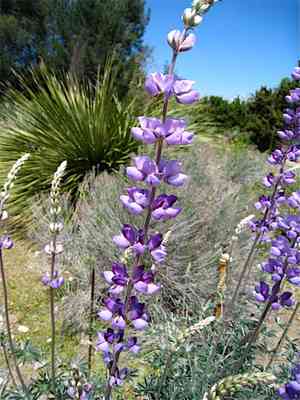
The most suitable period for relocating longleaf bush lupine is during the transition from late spring to early summer, as warmer temperatures facilitate strong root development. Select a location that receives ample sunlight and has soil that drains effectively. When transplanting longleaf bush lupine, carefully manage the root mass to reduce shock and stimulate vigorous growth.
What Preparations are Needed Before Transplanting Longleaf Bush Lupine?
What is the Ideal Time for Transplanting Longleaf Bush Lupine?
The optimal period for relocating longleaf bush lupine is from the onset of spring into the initial warmth of early summer. This timing promotes strong root development and adaptation. Moving longleaf bush lupine during this window maximizes vigor, as mild temperatures and increased daylight support robust growth. Ensuring this timing allows longleaf bush lupine to establish itself with nature's gentle transition, promising a thriving presence in your garden.
How Much Space Should You Leave Between Longleaf Bush Lupine Plants?
When preparing to place each longleaf bush lupine in its new spot, ensure a generous spacing of 18-24 inches (45-60 cm) between plants. This provides ample room for them to expand and thrive!
What is the Best Soil Mix for Longleaf Bush Lupine Transplanting?
For longleaf bush lupine, a soil that drains well and is rich in organic material is ideal! Incorporate a balanced, slow-release fertilizer to give them an excellent start. Consider it a nourishing welcome meal for your plants.
Where Should You Relocate Your Longleaf Bush Lupine?
Select a sunny location where longleaf bush lupine can receive full sunlight for the majority of the day. They enjoy the sun as much as we appreciate a bright day at the park!
What Equipments Should You Prepare Before Transplantation Longleaf Bush Lupine?
Gardening Gloves
To safeguard your hands while handling soil and plants.
Spade or Shovel
To excavate the plant and create a new planting hole.
Watering Can or Hose
To hydrate the longleaf bush lupine before and after its relocation.
Garden Fork
To loosen the earth around the plant's original position.
Wheelbarrow or Gardening Trolley
To move the longleaf bush lupine and soil to its new site.
Pruning Shears
To trim any damaged roots or foliage prior to transplanting.
Root Pruning Knife (optional)
For making clean cuts through roots if necessary.
Mulch
To aid in retaining soil moisture post-transplantation.
How Do You Remove Longleaf Bush Lupine from the Soil?
How Do You Remove Longleaf Bush Lupine from the Soil?
From Ground: First, thoroughly water the longleaf bush lupine to moisten the soil and reduce plant stress. Use a garden fork to gently loosen the soil around the plant's root area. In a circular motion, carefully dig out the root ball with a spade or shovel, striving to keep it as intact as possible. Slide the spade beneath and carefully lift the plant from the ground.From Pot: Water the longleaf bush lupine in its container to help the roots cohere. Tilt the pot sideways and tap the base to assist in loosening the root ball. If the plant doesn't slide out easily, use a knife to run along the inner edge of the pot. Carefully extract the plant while keeping the root ball undisturbed.From Seedling Tray: Ensure seedlings are watered before starting. Use a small tool or stick to gently lift the longleaf bush lupine seedlings from their cells, taking care not to harm the delicate roots. Hold seedlings by their leaves, not the stem, to prevent damage.
Step-by-Step Guide for Transplanting Longleaf Bush Lupine
Preparation
Water the longleaf bush lupine thoroughly before starting the transplant process to lessen shock and simplify removal. Have all tools and materials ready and nearby at the new planting site to ensure a quick process and minimize root exposure to air.
Digging the Hole
At the new location, excavate a hole that is twice as wide and the same depth as the longleaf bush lupine's root ball. Loosen the soil at the bottom and sides of the hole with a garden fork to encourage easier root penetration and growth.
Transplanting
Gently place the longleaf bush lupine in the center of the hole. Ensure the top of the root ball is level with the surrounding soil surface. Backfill around the root ball with soil, lightly tamping down to eliminate any large air pockets.
Stabilizing
If the longleaf bush lupine is tall or top-heavy, insert stakes into the ground and use soft ties to secure the plant, preventing it from falling over in wind or due to its own weight until its roots are established.
Watering
Immediately after transplanting, water the longleaf bush lupine generously to help settle the soil around the roots and provide essential hydration for the plant to recover from transplant shock.
Mulching
Apply a layer of mulch around the base of the longleaf bush lupine, but not touching the stem, to conserve moisture, regulate soil temperature, and reduce weed growth.
How Do You Care For Longleaf Bush Lupine After Transplanting?
Monitoring
Regularly inspect the longleaf bush lupine for indications of transplant shock, such as wilting or yellowing leaves, and adjust care as needed.
Staking
Ensure any stakes or supports are secure and adjust ties as the longleaf bush lupine grows to prevent constriction and provide adequate support during establishment.
Feeding
Delay applying fertilizer until the longleaf bush lupine shows signs of new growth, indicating the plant is beginning to establish and can benefit from additional nutrients.
Pruning
Remove any dead or damaged foliage to promote new growth and maintain a healthy shape for the longleaf bush lupine.
Observation
Watch for pests or diseases, which can exploit a plant's weakened state post-transplant, and address any issues promptly with appropriate measures.
Adjust Watering
As the longleaf bush lupine becomes established, gradually decrease watering frequency to encourage deep root growth and drought tolerance, but ensure consistent soil moisture is maintained, especially during dry periods.
Troubleshooting Common Issues with Longleaf Bush Lupine Transplantation.
What's the ideal time to transplant longleaf bush lupine?
Relocate longleaf bush lupine during the optimal growth period of late spring to early summer for best outcomes.
How far apart should I space longleaf bush lupine when transplanting?
Allow longleaf bush lupine ample room to thrive by spacing them 18-24 inches (46-61 cm) apart.
Why are my longleaf bush lupine seedlings wilting after transplanting?
Wilting can occur if roots are disturbed or lack water. Handle gently and provide sufficient hydration.
How deep should I plant longleaf bush lupine during transplanting?
The root ball of longleaf bush lupine should be level with the soil surface to ensure proper development.
Can I transplant longleaf bush lupine on a hot day?
Transplanting on cooler, overcast days is preferable to prevent longleaf bush lupine from suffering heat stress.
Should I water longleaf bush lupine immediately after transplanting?
Yes, watering longleaf bush lupine right after transplanting helps settle the soil and reduces transplant shock.
What kind of soil is best for transplanting longleaf bush lupine?
Select well-draining soil rich in organic matter to give longleaf bush lupine a nourishing start.
How can I tell if longleaf bush lupine has transplant shock?
Signs include leaf drop, wilting, and stunted growth. Consistent care can alleviate shock symptoms.
Is it necessary to fertilize longleaf bush lupine when transplanting?
Wait to fertilize until longleaf bush lupine is established to prevent root burn and encourage natural growth.
How should I handle the roots of longleaf bush lupine when transplanting?
Carefully untangle matted roots and spread them outwards to promote expansion in the new location.



