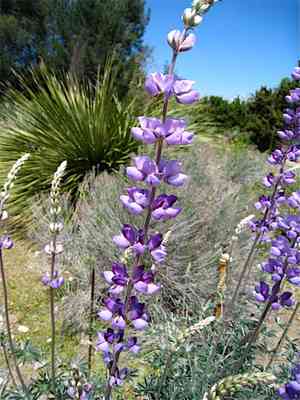
Longleaf bush lupine (Lupinus longifolius)
Also known as: Longleaf Lupine
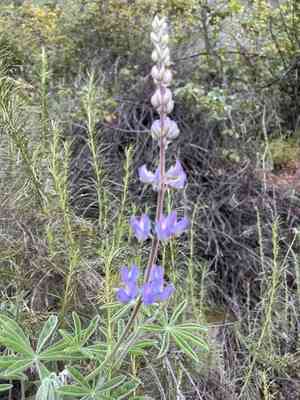
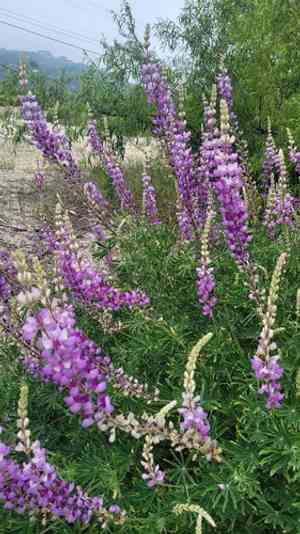
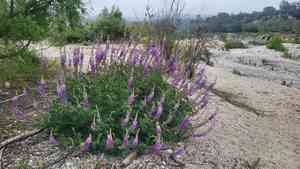
Longleaf bush lupine is easily identified by its long, narrow leaflets that fan out in a distinctive arrangement. The plant features tall, erect stems topped with striking blue to purple flower clusters, which are particularly suited to its dry, open native environments. These colorful blossoms attract numerous pollinators, crucial for the plant's reproductive success. Additionally, its extensive taproot system allows it to access deep water sources, making it highly drought-resistant.
In This Article
Attributes of Longleaf bush lupine
Lifespan
Perennial
Plant Type
Herb
Plant Height
50-100 cm
Spread
30-60 cm
Leaf Color
Green
Flower Size
1-2 cm
Flower Color
Blue, Purple
Images of Longleaf bush lupine
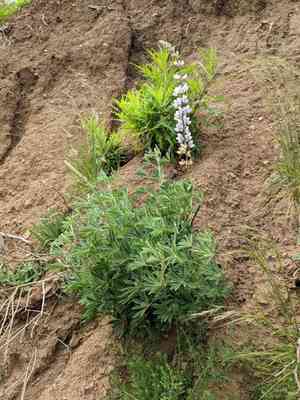
Quickly Identify Longleaf bush lupine
1
Look for tall flower spikes that can vary in shades of blue or purple, its characteristic long, lance-shaped leaves, and its growth in clusters.
Scientific Classification of Longleaf bush lupine
Phylum
Vascular plants
Class
Dicotyledons
Order
Fabales
Family
Legume
Genus
Lupines
Species
Longleaf bush lupine
Planting and Growing of Longleaf bush lupine
Care Difficulty
Easy
Watering Schedule
Every 3 days
Sunlight Requirements
Full sun
Sunshine Duration
6-10 hours
Ideal Temperature
60-75℉
Soil Type
Potting Mix, Peat Mix
Soil pH
6.5-7.5
Fertilizer Type
Balanced
Pruning Season
Spring, Summer
Pruning Area
Branches, Leaves
Pruning Frequency
2 times a year
Repotting Season
Spring
Pot Type
Plastic, Ceramic
 How to Water Longleaf bush lupine?
Lupinus longifolius prefers its soil to remain consistently moist but not waterlogged. Water until the soil is moist approximately 500 ml for a medium-sized pot, ensuring excess water drains out. Let the top layer of soil dry out a bit between waterings, as this plant does not appreciate soggy roots.
What are the symptoms of an underwatered Longleaf bush lupine?
›
What should I do if my Longleaf bush lupine is not getting enough water?
›
What are the symptoms of an overwatered Longleaf bush lupine?
›
How to save an overwatered Longleaf bush lupine?
›
 What Are the Sunlight Requirements for Longleaf bush lupine?
Lupinus longifolius benefits from full sun exposure of 6 to 8 hours to maximize its flowering and growth potential. Proper lighting promotes healthy foliage, vibrant blooms, and supports the plant's photosynthetic activity.
How much sunlight is optimal for Lupinus longifolius?
›
How can I ensure it gets the required light?
›
What are the benefits of optimal lighting for this plant?
›
 What Is the Ideal Temperature Range for Longleaf bush lupine?
The ideal temperature range for Lupinus longifolius is between 60°F and 75°F. Within this range, the plant can achieve optimal growth and development. Maintaining these temperatures ensures that the plant's metabolic processes, such as photosynthesis and respiration, operate efficiently. Keeping the temperature stable within this ideal range minimizes stress on the plant and helps prevent common temperature-related issues.
 What Soil is Best for Longleaf bush lupine?
Lupinus longifolius prefers well-drained soil to prevent root rot. Adequate drainage allows oxygen to reach the roots, promoting healthy growth and vibrant blossoms. This lupine thrives in nutrient-rich soil that can provide the necessary elements for vigorous growth. Organic matter should be added to enhance soil fertility and support healthy plant development. While drainage is crucial, the soil should also retain some moisture to prevent stress during dry periods. A balanced texture helps the plant to avoid over-saturation and drought stress.
 How to Fertilize Longleaf bush lupine?
For Lupinus longifolius, it is crucial to strike a balance between over-fertilizing and under-fertilizing. When using liquid fertilizer, a general recommendation is to dilute it to half-strength, applying about 1 liter per plant monthly during the growing season. For slow-release fertilizers, a small handful, approximately 50 grams, sprinkled around each plant's base in early spring is often sufficient.
 How to Prune Longleaf bush lupine?
In early spring, begin by removing any dead or winter-damaged branches. Look for branches that are crossing or rubbing against each other and cut them back to the main stem to improve airflow and sunlight infiltration. Spring pruning encourages vigorous growth and prepares Lupinus longifolius for the growing season, ensuring robust flowering later. During the summer, focus on deadheading to extend the blooming period. Remove spent flower spikes by cutting them back to the first set of healthy leaves. This not only keeps the plant looking tidy but also prevents it from going to seed prematurely, redirecting energy towards new growth and blooms.
More About Pruning Techniques→
 How to Propagate Longleaf bush lupine plant?
1
Fill the seed tray with a high-quality potting mix, ensuring it is well-drained. Water the mix lightly before planting the seeds to create a moist environment conducive to germination.
2
Scatter the seeds evenly over the surface of the prepared potting mix in the seed tray. Cover them lightly with a thin layer of soil. Maintain consistent moisture without waterlogging to foster seed sprouting.
3
Select a healthy part of the plant for cuttings, typically from new growth. Cut 4-6 inch sections with a sharp, sterile tool. Remove lower leaves to reduce moisture loss before rooting them in a medium.
 How to Repot Longleaf bush lupine plant?
1
Look for signs that Lupinus longifolius needs repotting, such as roots growing out of the drain holes or the plant looking cramped in its current container. Repotting during the spring or summer ensures the plant is actively growing and can recover quickly from the process.
2
Select a pot that is one size larger than the current one. The pot should have adequate drainage holes. This supports healthy root development and prevents waterlogging, which is crucial for a plant that thrives in well-draining sandy soil.
3
Opt for a well-draining sandy soil mix to mimic the natural habitat of Lupinus longifolius. A good soil mix prevents root rot by providing excellent aeration and drainage, crucial for this lupine species' health.
Toxicity
ingestion
WARNING
The judgment on toxicity and danger is for reference only. We DO NOT GUARANTEE any accuracy of such judgment. Therefore, you SHALL NOT rely on such judgment. It is IMPORTANT TO SEEK PROFESSIONAL ADVICE in advance when necessary.
Learn More About Longleaf bush lupine Diseases
Anthracnose
Bacterial Leaf Spot
Bacterial Wilt
Crown Gall
Cyst Nematode
Damping-off
Downy Mildew
Drought Stress
Fusarium Wilt
Gray Mold
Leaf Curl
Leaf Spot
Mosaic
Nutrient Deficiency
Nutrient Toxicity
Powdery Mildew
Root Rot
Root-knot Nematode
Rusts
Sooty Mold
Spider Mites
Temperature Stress
Thrips Damage
White Mold
Chemical Injury



