How to Prune Longleaf bush lupine?
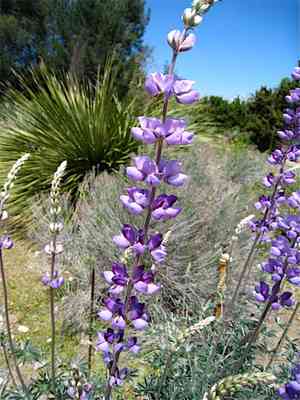
Celebrated for its tall spires of blue to purple blossoms and hand-shaped foliage, longleaf bush lupine introduces vertical appeal to landscapes. Trim longleaf bush lupine during late winter or early spring prior to the start of new growth. Severing spent flower stalks stimulates additional flowering, and shortening elongated stems preserves a compact, pleasing form. Eliminate any dead or ailing branches to foster robust development. Strategic pruning guarantees longleaf bush lupine flourishes, boosting bloom output and deterring self-propagation which could result in potential overgrowth.
What Are the Benefits of Pruning Longleaf Bush Lupine?
What Are the Benefits of Pruning Longleaf Bush Lupine?
Trimming longleaf bush lupine boosts its vitality and maintains its desired shape. Strategic cuts stimulate fresh growth, enhance air circulation, and allow more light to penetrate, leading to robust health and an attractive form.
What Is the Best Time for Pruning Longleaf Bush Lupine?
What Is the Best Time for Pruning Longleaf Bush Lupine?
The optimal pruning times of late winter and early spring coincide with longleaf bush lupine's dormant phase and prepare it for vigorous new growth. Pruning in late winter, before spring growth begins, allows the gardener to shape the plant and remove any dead or damaged branches without stressing longleaf bush lupine. This timing is crucial as it avoids cutting into new shoots essential for that season's growth and flowering. Early spring pruning is similarly beneficial because it occurs just before longleaf bush lupine enters a rapid growth period; it promotes healthy, strong growth and aids in plant sanitation by removing parts that could harbor diseases or pests. Additionally, by pruning before longleaf bush lupine begins its active growing phase, sap loss is minimized, and wounds heal faster, reducing vulnerability to infections.
What Tools Do I Need to Prune Longleaf Bush Lupine?
Bypass Pruners
Perfect for making clean cuts on longleaf bush lupine's delicate new growth and for routine trimming of green stems. They create precise cuts that heal quickly.
Loppers
Essential for reaching into denser areas of longleaf bush lupine and cutting thicker branches that bypass pruners cannot manage. They provide leverage and extended reach.
Pruning Saw
Required for removing any large, mature branches from longleaf bush lupine, especially when their diameter becomes too great for loppers.
Gloves
Offer protection for the gardener's hands from longleaf bush lupine's potential skin irritants and from sharp edges.
Gardening Shears
Useful for shaping longleaf bush lupine and snipping away unwanted suckers or smaller branches that require less force.
Long-Handled Pruner
Recommended for trimming longleaf bush lupine without needing to bend down, which is helpful for comfortably accessing low-growing branches.
How to Prune Longleaf Bush Lupine
Clean Disinfect
Before you begin to prune longleaf bush lupine, clean and disinfect your pruning tools. This prevents the spread of disease and ensures clean cuts, which are vital for the plant's health.
Identify
Examine longleaf bush lupine for diseased and withered leaves. Diseased leaves may show discoloration, spots, or deformities, while withered leaves are typically dry and brown.
Cut Diseased
Using your sanitized pruning shears, carefully remove diseased leaves from longleaf bush lupine. Make cuts close to the stem to deter further disease, but be careful not to harm the stems or healthy tissue.
Cut Withered
After removing diseased leaves, proceed to trim withered leaves. Cut these dead or dying leaves back to the base or to the nearest healthy set of leaves for a tidier appearance.
Clean Up
Dispose of all removed material from longleaf bush lupine by placing it in a bag or bin. Do not compost diseased material as it can contaminate the compost pile. Clear away all fallen debris from around the plant to minimize the risk of disease.
Common Pruning Mistakes with Longleaf Bush Lupine
Over-Pruning
Removing too much growth at once, which can shock the longleaf bush lupine and reduce its vigor. Aim to remove no more than one-third of the plant's size during a pruning session.
Improper Cutting Technique
Making cuts too far from a bud, or using dull tools, can result in jagged wounds that do not heal well, creating entry points for pests and diseases.
Neglecting Deadheading
Failing to remove spent flowers can prevent the longleaf bush lupine from producing new blooms, as energy is diverted to seed production.
Pruning For Shape Early On
Pruning young longleaf bush lupine plants too heavily for shape can limit their natural growth and reduce their overall health and flowering capability.
Not Disinfecting Tools
Neglecting to clean pruning tools between uses can spread diseases from one plant to another, damaging or even killing the longleaf bush lupine.
Pruning In Wet Conditions
Pruning when the longleaf bush lupine is wet can increase the likelihood of spreading diseases, as pathogens thrive in moist environments.
Common Pruning Tips for Longleaf Bush Lupine
Prune For Health
Remove diseased, damaged, or dead stems to promote the health and improve airflow within the longleaf bush lupine. Make clean cuts close to a lateral bud or branch.
Encourage Bushiness
Pinch back the growing tips of the longleaf bush lupine early in the season to encourage branching and create a fuller plant.
Deadhead Regularly
Regularly remove spent flowers to encourage new blooms and prevent the longleaf bush lupine from using energy on seed production.
Thinning
Thin out crowded stems to improve light penetration and air circulation, which helps decrease the risk of fungal diseases in the longleaf bush lupine.
Maintain Natural Form
Aim to maintain the longleaf bush lupine's natural shape by cautious selective pruning rather than shearing into geometric forms, which is not typically suitable for this species.
Clean Tools
Disinfect pruning shears and saws with rubbing alcohol or a bleach solution before and after working on the longleaf bush lupine to prevent disease transfer.
Prune To Strong Buds
When shortening stems, make angled cuts above strong outward-facing buds to direct new growth away from the center of the longleaf bush lupine and promote a more open habit.



