The Longleaf bush lupine Plant Advantage: Maximizing Home and Office Appeal and Wellness
1
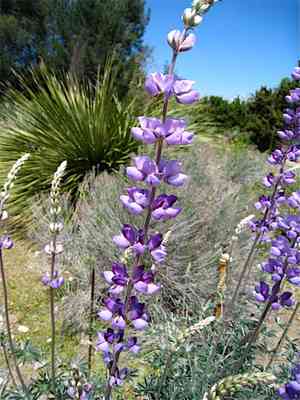
Longleaf bush lupine is recognized for its vivid blooms and capacity to enhance ground fertility.
2
This flora offers superb environments for diverse pollinators, such as bees and butterflies.
3
Longleaf bush lupine is an easy-care plant, making it a perfect selection for gardeners of any experience level.
How Does Longleaf bush lupine Enhance Soil Quality?
Nitrogen Fixation
Longleaf bush lupine, a member of the legume family, possesses the unique ability of nitrogen fixation. This means the plant can convert atmospheric nitrogen into a form readily available for other plants. This process enriches the soil with nitrogen, a vital nutrient for plant development. By incorporating Longleaf bush lupine into your garden, you can naturally boost soil fertility without relying on synthetic fertilizers.
Soil Erosion Control
The extensive root system of Longleaf bush lupine aids in preventing soil erosion. These roots firmly anchor the soil, diminishing the risk of soil being displaced by rainfall or wind. This is especially advantageous for gardens situated on inclines or in areas prone to erosion.
Organic Matter Contribution
As Longleaf bush lupine matures and its leaves, blossoms, and stems decompose, they contribute organic matter to the soil. This organic material improves soil structure, enhances moisture retention, and fosters the growth of beneficial microorganisms.
Why Is Longleaf bush lupine a Sanctuary for Pollinators?
Attractive Flowers
Longleaf bush lupine showcases clusters of vibrant blooms that are highly appealing to pollinators such as bees and butterflies. These flowers offer nectar and pollen, crucial food sources for these insects. By planting Longleaf bush lupine, you can establish a flourishing habitat that supports local pollinator populations.
Extended Blooming Period
A significant benefit of Longleaf bush lupine is its prolonged flowering season. This plant blooms for several months, ensuring a consistent food supply for pollinators throughout the growing period. A garden featuring Longleaf bush lupine will attract a diverse array of pollinators, contributing to the overall health of your garden ecosystem.
Is Longleaf bush lupine Simple to Cultivate and Maintain?
Low Water Requirements
Longleaf bush lupine is drought-tolerant and needs minimal watering once established. This makes it an ideal choice for water-wise gardening and for regions experiencing water scarcity. Its low water needs also mean it can thrive with little intervention, reducing your garden maintenance tasks.
Pest and Disease Resistance
Longleaf bush lupine generally resists common garden pests and diseases. This resilience makes it an excellent option for gardeners who wish to avoid chemical pesticides or prefer low-maintenance plants. Its natural resistance helps maintain the health of your garden without much effort.
What Are the Landscaping Advantages of Longleaf bush lupine?
Visual Appeal
The striking flowers and lush foliage of Longleaf bush lupine add significant visual appeal to any garden. Whether utilized as a focal point, a border plant, or in mass plantings, Longleaf bush lupine can enhance the aesthetic value of your outdoor space with its beautiful and long-lasting blooms.
Wildlife Habitat Creation
Beyond its appeal to pollinators, Longleaf bush lupine provides habitats for other wildlife like birds and small mammals. The dense foliage offers shelter and nesting sites, contributing to biodiversity and the ecological balance of your garden.



