How to Transplant Jewel orchid?
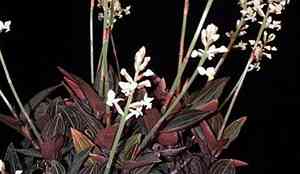
The ideal period for relocating jewel orchid is from the gentle warmth of late spring through mid-summer, which guarantees their uninterrupted development. Select a location offering ample shade and elevated moisture levels. Carefully assist jewel orchid, making certain its root system stays intact.
Essential Preparations Before Relocating Jewel Orchid
Optimal Timing for Jewel Orchid Relocation?
The prime window for moving jewel orchid is from late spring to early summer. This period allows jewel orchid to establish its root system before intense heat. Transplanting then ensures it benefits from extended growth during warm days, promoting vigorous development. Moderate, pre-summer temperatures create an ideal opportunity for relocation, reducing stress and enhancing success for jewel orchid.
Recommended Spacing Between Jewel Orchid Plants?
For jewel orchid, providing ample room for growth is crucial. Ideally, maintain a distance of approximately 1-2 feet (30-60 cm) between each plant. This spacing allows their foliage to spread, capture light effectively, and achieve their best appearance as they mature.
Best Soil Mixture for Jewel Orchid Transplanting?
Prior to relocating jewel orchid, prepare a well-draining potting mix suitable for houseplants, fortified with a slow-release fertilizer. This provides the necessary nutrients for jewel orchid to achieve robust growth. It's advisable to avoid overly dense or compact soils that could hinder their development.
Optimal Location for Your Jewel Orchid?
Jewel orchid does not thrive in direct sunlight. Therefore, select a spot with filtered sunlight or diffused natural light. Excessive sun exposure can scorch the leaves, making a location with northern or eastern exposure excellent for jewel orchid.
Equipment Needed for Jewel Orchid Transplantation
Gardening Gloves
To safeguard your hands while handling the plant and working with soil.
Garden Trowel
To carefully extract the jewel orchid from its current spot without disturbing the roots.
Pruning Shears
To trim any dead or unhealthy roots and leaves before the transplanting process.
Watering Can
To hydrate the jewel orchid both before and after its relocation.
Spade
A larger implement that might be necessary if planting directly into the ground outdoors.
Bucket
To transport the plant and prevent any soil or roots from dislodging during movement.
Method for Removing Jewel Orchid from Soil
Method for Removing Jewel Orchid from Soil
From Ground: To extract jewel orchid from the ground, first, lightly water the plant to help keep the soil around the roots intact. Use a trowel or spade to dig a wide circle around jewel orchid, ensuring you are well clear of its root ball. Aim to remove the plant with its root ball largely undisturbed. Lift it gently and place it in a bucket or pot for transport.From Pot: If jewel orchid is in a pot, water it first, then turn the pot sideways and tap it so the plant comes out with soil and roots intact. If it doesn't release easily, you can run a knife along the inner edge of the pot to loosen it. Hold the plant by its roots when removing it, not by the stem or leaves.From Seedling Tray: Gently moisten the tray. Use a trowel or spoon to carefully scoop out each jewel orchid seedling, taking care to keep the root system as undamaged as possible. Handle them by their leaves, not their stems.
Step-by-Step Guide for Transplanting Jewel Orchid
Prepare the New Location
Excavate a hole that is twice the width and slightly deeper than the root ball of jewel orchid. This provides ample room for the roots to spread. Loosen the soil at the base of the hole to aid drainage.
Prepare the Plant
Inspect jewel orchid's roots and trim away any broken or deceased roots using pruning shears.
Planting
Position jewel orchid in the hole. The top of the root ball should be level with the soil surface. Backfill the soil into the hole, gently firming it around the plant.
Watering
Thoroughly water jewel orchid after planting. This helps to settle the soil and eliminate air pockets around the roots.
Post-Transplant Care for Jewel Orchid
Watering
Water jewel orchid regularly, but avoid letting the plant sit in water as this can lead to root rot. Allow the soil surface to dry out between waterings; jewel orchid prefers not to be consistently wet.
Monitoring
Observe jewel orchid for a few weeks to ensure it is adapting well to its new environment. If you notice wilting leaves, it could indicate transplant shock, often due to roots not establishing quickly enough. Increased watering and partial shading can help alleviate this issue.
Pruning
Remove any dying foliage to redirect jewel orchid's energy towards new growth. However, be careful not to over-prune, as the plant requires sufficient leaves for photosynthesis.
Resolving Common Issues with Jewel Orchid Transplantation
When is the optimal time to transplant jewel orchid?
The best period to move jewel orchid to a new spot is during late summer to early autumn (S3-S5). During this time, the plant establishes itself more readily.
What spacing should I maintain between jewel orchid plants when transplanting?
When replanting, ensure a distance of approximately 1-2 feet (30-60 cm) between each jewel orchid. This provides the plant with ample room to grow and flourish.
What container size is ideal for transplanting jewel orchid?
Select a pot about 2-3 inches (5-7.5 cm) larger than its current one. This will give jewel orchid sufficient space for its roots to expand and develop.
What type of soil should I use when transplanting jewel orchid?
Transplant jewel orchid into a well-drained potting mix. A fast-draining, peat-based substrate blended with a bit of perlite works best.
What is the ideal depth for transplanting jewel orchid?
Cover the roots of jewel orchid with soil, ensuring the crown remains slightly above the soil surface. Never bury the stem as this can lead to rotting.
How much water should I apply after transplanting jewel orchid?
After transplanting jewel orchid, water it thoroughly but avoid waterlogging. The soil should be moist, not saturated. Overwatering can cause root rot.
How do I address wilted leaves after transplanting jewel orchid?
Wilted leaves can be a symptom of transplant shock. Reduce watering and maintain a semi-shaded position. Jewel orchid should recover within a few days.
Is fertilization necessary for jewel orchid after transplanting?
Wait 2-3 weeks before fertilizing jewel orchid after transplanting. This allows the plant to adjust to its new environment and prevents potential root burn from fertilizer.
How should I handle root damage during jewel orchid transplanting?
Gently untangle and trim any damaged roots before transplanting. Afterward, plant jewel orchid in its new pot, ensuring careful handling to promote healthy growth.
Why has jewel orchid stopped blooming after being transplanted?
Jewel orchid may require time to readjust after relocation, which can temporarily slow down flowering. Maintain its ideal conditions and patiently await new blooms.



