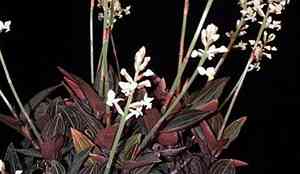
Jewel orchid (Ludisia discolor)
Also known as: Jewel Orchid
Ludisia discolor, known as the jewel orchid, originates from Southeast Asia, particularly Southern China, Thailand, India, Malaysia, Indonesia, Myanmar, and Vietnam. Celebrated for its distinctive foliage, it is a popular choice for houseplants. It is generally easier to maintain compared to other orchids as long as it remains moist.
In This Article
Attributes of Jewel orchid
Lifespan
Perennial
Plant Type
Herb
Plant Height
10 cm to 25 cm
Spread
15 cm
Leaf Color
Green Red Gold Purple
Flower Size
7 mm
Flower Color
White
Images of Jewel orchid
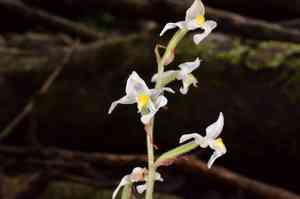
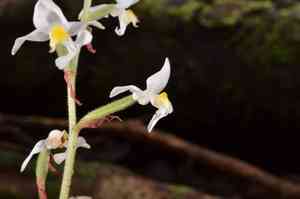
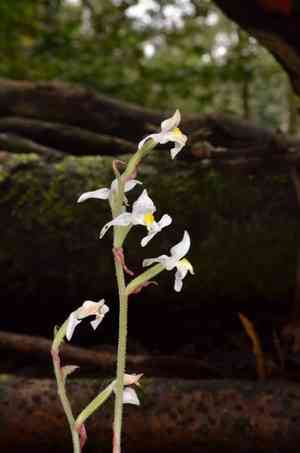
Quickly Identify Jewel orchid
1
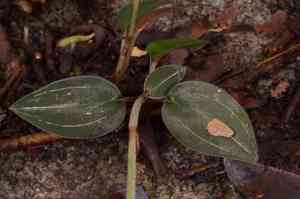
Distinct silver to white veins on lush green leaves
2
Oval leaves reaching up to 6 inches (15 cm) in length
3
Low and sprawling growth habit, ideal as groundcover
Scientific Classification of Jewel orchid
Phylum
Vascular plants
Class
Monocotyledons
Order
Asparagus and allies
Family
Orchid
Genus
Ludisia
Species
Jewel orchid
Planting and Growing of Jewel orchid
Care Difficulty
Easy
Watering Schedule
Every 3 days
Sunlight Requirements
Partial sun
Sunshine Duration
6-12 hours
Ideal Temperature
65-77℉
Soil Type
Potting Mix, Peat Mix
Soil pH
6-7
Fertilizer Type
Balanced
Pruning Season
Spring, Summer
Pruning Area
Branches, Leaves
Pruning Frequency
2 times a year
Repotting Season
Spring
Pot Type
Plastic, Terracotta
 How to Water Jewel orchid?
For Ludisia discolor, the key rule of thumb is to maintain a lightly moist soil environment without letting it become waterlogged. Always ensure the top inch of soil dries out before watering again. You should aim to pour approximately 120 ml of water slowly over the soil surface, allowing it to soak in and reach the roots without pooling at the surface.
What are the symptoms of an underwatered Jewel orchid?
›
What should I do if my Jewel orchid is not getting enough water?
›
What are the symptoms of an overwatered Jewel orchid?
›
How to save an overwatered Jewel orchid?
›
 What Are the Sunlight Requirements for Jewel orchid?
Ludisia discolor thrives in partial sun to full shade conditions. Ideal lighting enhances its leaf coloration and keeps the plant compact and healthy.
More About Sunlight Requirements Techniques→
Preferred Lighting Environment
›
Solutions for Ideal Lighting
›
Benefits of Ideal Lighting
›
 What Is the Ideal Temperature Range for Jewel orchid?
For Ludisia discolor, maintaining an ideal temperature range of 65°F to 77°F ensures optimal growth. Within this range, the plant can efficiently conduct photosynthesis, absorb nutrients, and sustain healthy development. Consistent temperatures are crucial to mimic their natural habitat, ensuring they thrive in indoor environments.
 What Soil is Best for Jewel orchid?
Ludisia discolor thrives in soil that retains moisture well. This characteristic supports its hydration needs in its natural humid environments. Consistent moisture prevents wilting and promotes vibrant foliage. The plant requires soil rich in organic matter to supply essential nutrients. This organic content breaks down over time, enhancing nutrient availability and supporting overall plant health and growth. Good aeration is essential to avoid root rot in Ludisia discolor. The soil must allow air to circulate around the roots, supporting healthy root development and helping the plant absorb nutrients efficiently.
 How to Fertilize Jewel orchid?
For Ludisia discolor, the amount of fertilizer should be small yet consistent. When using liquid fertilizer, aim for half-strength solution to avoid overwhelming the plant. For slow-release fertilizer, use a light sprinkle to ensure nutrients release gradually over time.
 How to Prune Jewel orchid?
Begin by examining your Ludisia discolor for leaves that are yellowing, browning, or showing signs of damage. These should be your primary targets for pruning as removing them helps direct energy to healthier parts of the plant. When cutting leaves, make sure to prune them as close to the base as possible without damaging other parts. This reduces the risk of pests and ensures the plant can redirect energy to more vibrant, healthy growth.
More About Pruning Techniques→
 How to Propagate Jewel orchid plant?
1
Choose a healthy stem with a few leaves present. Ensure that the stem is free from any diseases or pests. Ideally, the section you select should be around 3 to 4 inches long.
2
After selecting the stem, use a sterile pruning shear to make a clean cut. Remove any leaves from the lower part of the cutting to avoid rot when planted. Optionally, dip the cut end in rooting hormone to encourage root growth.
3
Place the prepared cutting in a small pot filled with a well-draining medium. Water the cutting slightly, ensuring the medium is moist but not waterlogged, and place it in a warm, bright location with indirect sunlight.
 How to Repot Jewel orchid plant?
1
Ludisia discolor, commonly known as the jewel orchid, signals that it needs repotting when its roots begin to outgrow the current pot or when the potting mix starts to break down, affecting drainage. Repotting is best done when you notice new growth signals, as it indicates the plant is prepared for a change in environment.
2
Select a pot that is slightly larger than the current one to accommodate root growth, but not excessively large, which could lead to overwatering issues. A pot with good drainage holes is essential to prevent waterlogged roots, which can lead to root rot. The material of the pot should preferably be breathable, such as terracotta, allowing for air exchange.
3
Opt for a well-draining orchid mix that contains bark, perlite, and a bit of peat or sphagnum moss. This blend mimics natural conditions, allowing air to circulate around the roots while retaining sufficient moisture. Avoid heavy soils that retain water, as this can lead to root rot and other issues related to poor drainage.



