How to Prune Jewel orchid?
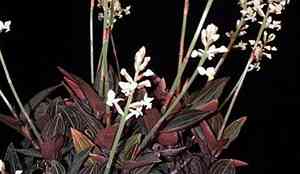
Recognized for its impressive velvety foliage and subtle blossoms, jewel orchid flourishes with periodic trimming to preserve its form and stimulate denser development. Detach any withered or discolored leaves near the base, and shorten elongated stems to reallocate resources to more robust sections. Trimming can be conducted throughout the year, but it is most effective after blooming to boost the plant's strength and aesthetic. Employ disinfected implements to avert the spread of pathogens, guaranteeing a precise incision for rapid recuperation. This species benefits from pruning through the encouragement of a more compact habit and extended health.
What Are the Benefits of Pruning Jewel Orchid?
What Are the Benefits of Pruning Jewel Orchid?
Trimming jewel orchid promotes vigorous development and supports flowering. It aids in maintaining a compact, appealing shape, preventing excessive growth that can result in poor health and reduced vitality.
What Is the Best Time for Pruning Jewel Orchid?
What Is the Best Time for Pruning Jewel Orchid?
Jewel orchid can be pruned or trimmed at any point during the year due to its growth habits. Unlike plants that enter dormancy in specific seasons, jewel orchid continues to grow throughout the entire year. This consistent growth pattern offers gardeners the flexibility to trim or prune as necessary to remove dead or damaged foliage, maintain its form, and encourage healthy development. Pruning also provides an opportunity to enhance air circulation, decrease disease potential, and redirect energy towards new growth. Since jewel orchid lacks a strict pruning season linked to dormancy or flowering cycles, any time is suitable as long as the plant is healthy and not stressed by environmental factors.
What Tools Do I Need to Prune Jewel Orchid?
Sharp scissors or snips
For precise trimming of jewel orchid's delicate stems and leaves without harming the plant. It is crucial to use tools with sharp blades to ensure clean cuts that facilitate rapid healing.
Sterilizing agent (e.g., rubbing alcohol)
To disinfect pruning tools before and after use. This helps prevent the transmission of diseases and pests between plants, which is vital given jewel orchid's susceptibility to infections.
Soft cloth or tissue
Used to gently wipe away any sap or moisture from the pruning tools during the process. Jewel orchid's sap can be sticky, potentially spreading to other parts of the plant causing unwanted dampness.
Tweezers
For removing any dead or yellowing leaves within the dense foliage of jewel orchid where scissors cannot easily reach without damaging adjacent healthy tissue.
How to Prune Jewel Orchid
Sanitize
Before beginning the pruning process, sterilize all tools with alcohol or a bleach solution to prevent the spread of diseases to jewel orchid.
Remove Diseased Parts
Carefully cut off diseased leaves and branches of jewel orchid using sterilized scissors or pruning shears. Trim back to healthy tissue to ensure complete removal of any infected material.
Trim Dead Material
Gently prune away withered leaves, dead branches, and any spent flowers to maintain the aesthetic appeal and health of jewel orchid. Make clean cuts to avoid damaging the surrounding healthy tissue.
Shape Plant
Shape jewel orchid by trimming overgrown branches to encourage a bushier growth habit. Be careful not to over-prune, as this can stress the plant.
Clean Up
After pruning, clean the area around jewel orchid to remove all trimmings and dead material. This helps to prevent potential pest infestations and diseases.
Common Pruning Mistakes with Jewel Orchid
Overpruning
Removing too much foliage from jewel orchid can shock the plant, potentially stunting its growth or leading to a weakened state that makes it vulnerable to disease.
Cutting Healthy Growth
Cutting into the healthy, green parts of jewel orchid can limit its ability to photosynthesize properly, impacting its overall health and vibrancy.
Improper Tool Use
Using dull or dirty tools can cause jagged cuts that harm jewel orchid and invite infections. Always use clean, sharp tools for pruning.
Neglecting Dead Leaves
Failing to remove dead or yellowing leaves can hinder jewel orchid's growth and invite pests or diseases. Dead foliage should be carefully trimmed away.
Incorrect Cut Location
Making cuts too close to the main stem of jewel orchid or too far from it can either damage the central structure or leave unsightly stubs that do not heal properly.
Common Pruning Tips for Jewel Orchid
Selective Trimming
Carefully choose which leaves or stems to prune in order to shape jewel orchid without diminishing its lush appearance. Trim back overgrown stems to maintain a compact, attractive form.
Sterilize Tools
Before pruning jewel orchid, sterilize the cutting tools with alcohol or a bleach solution to prevent the spread of disease between plants.
Angled Cuts
Make clean, angled cuts on jewel orchid's stems to encourage water runoff and reduce the chance of fungal infections.
Prune For Air Circulation
Thin out dense growth to improve air circulation around jewel orchid, which helps to prevent mold and mildew that thrive in stagnant, moist environments.
Healing Time
Allow jewel orchid sufficient time to heal after pruning by maintaining optimal growing conditions, ensuring a quicker recovery and reduced stress on the plant.



