How to Transplant Dwarf honeysuckle?
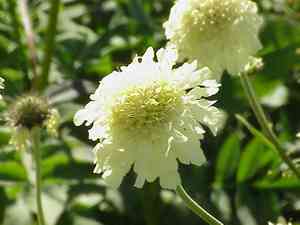
The most favorable period for relocating dwarf honeysuckle is in the mild temperatures of late spring, fostering robust root development. Select a brightly illuminated spot that offers effective water drainage. When shifting dwarf honeysuckle, ensure minimal disruption to its root system to facilitate an effortless adjustment.
What Preparations are Needed Before Transplanting Dwarf Honeysuckle?
What is the Ideal Time for Transplanting Dwarf Honeysuckle?
Relocate dwarf honeysuckle during the favorable period of late spring; this timing allows root establishment in warming soil, promoting vigorous development. The extended mild days of early summer also offer an excellent window for transplantation, providing dwarf honeysuckle a gentle transition to full sun exposure and stable temperatures. By selecting this supportive timeframe, you give dwarf honeysuckle the best possible start, enhancing its survival and future prosperity.
How Much Space Should You Leave Between Dwarf Honeysuckle Plants?
For dwarf honeysuckle, you'll need to provide ample room for each plant to flourish. Aim for approximately 2-3 feet (around 0.6-0.9 meters) between each one, allowing them to spread out and establish deep roots.
What is the Best Soil Mix for Dwarf Honeysuckle Transplanting?
When preparing the ground for dwarf honeysuckle, seek well-draining soil that can retain some moisture. You can enhance its fertility with a slow-release, granular base fertilizer. It's like a nutritional boost for your plant!
Where Should You Relocate Your Dwarf Honeysuckle?
Sunlight is crucial for dwarf honeysuckle. Position these plants in an area that receives partial to full sunlight. The gentle light is like a comforting embrace for your plant and will help them bloom beautifully.
What Equipments Should You Prepare Before Transplantation Dwarf Honeysuckle?
Gardening gloves
To safeguard your hands while handling soil and dwarf honeysuckle.
Gardening shovel or spade
To efficiently and safely extract the plant from its original spot and excavate a new hole for its relocation.
Garden hoe
This tool assists in breaking up soil and removing unwanted plants from the transplant site.
Wheelbarrow
To move the excavated dwarf honeysuckle plant from its initial position to the new location.
Garden trowel
For smaller, precise tasks, especially when extracting seedlings or a potted dwarf honeysuckle plant.
Pruning sheers
These will aid in trimming away any dead or weakened portions of the dwarf honeysuckle plant prior to transplanting.
Watering can or garden hose
You'll require this for hydrating the plant before and after its move.
Mulch
To help maintain moisture around the transplant after relocation.
How Do You Remove Dwarf Honeysuckle from the Soil?
How Do You Remove Dwarf Honeysuckle from the Soil?
From Ground: To extract the dwarf honeysuckle plant from the ground, begin by thoroughly watering the plant to moisten the soil. Then, dig a wide trench around the dwarf honeysuckle with your spade, being careful to keep the root ball intact. Gently work your spade beneath the root ball and carefully lift the plant.From Pot: If the dwarf honeysuckle plant is in a container, water it completely first. Then, invert the pot while holding your other hand over the soil. The dwarf honeysuckle should slide out; if not, gently tap the bottom and sides of the pot.From Seedling Tray: Hydrate the seedlings. Gently grasp the dwarf honeysuckle seedling at its base, applying light pressure to the bottom of the cell with your other hand. Carefully lift it out, holding it by its roots to prevent damage.
Step-by-Step Guide for Transplanting Dwarf Honeysuckle
Preparation
Water dwarf honeysuckle thoroughly the day before transplanting to minimize shock.
Digging
At the new site, excavate a hole twice the width of the dwarf honeysuckle's root ball and the same depth.
Placement
Carefully position dwarf honeysuckle in the hole, ensuring it is level with the ground surface.
Backfill
Refill the hole with soil, gently pressing down to eliminate any air pockets.
Watering
Water thoroughly to settle the soil around the root system.
Trimming
Use pruning shears to remove any dead or weakened parts of the plant.
Mulching
Apply a layer of mulch around the plant to help retain moisture and suppress weeds.
How Do You Care For Dwarf Honeysuckle After Transplanting?
Watering
Water the dwarf honeysuckle plant thoroughly after transplanting, then daily for one week. Afterward, return to a regular watering schedule, ensuring the plant receives sufficient water, especially in dry conditions.
Pruning
Remove any dead or damaged growth on dwarf honeysuckle to encourage new development and maintain the plant's health.
Weeding
Regularly inspect the area around your dwarf honeysuckle for weeds as they may compete for nutrients. Use your garden hoe to remove them.
Inspection
Monitor dwarf honeysuckle for any signs of transplant shock. These may include drooping leaves or a lack of new growth. If observed, ensure the plant receives proper care regarding watering and protection from elements like wind or extreme temperatures.
Protection
Depending on the season, consider adding a frost-protective cover to shield dwarf honeysuckle from potential frosts or intense summer sun shortly after transplanting.
Troubleshooting Common Issues with Dwarf Honeysuckle Transplantation.
What's the best time to transplant dwarf honeysuckle?
The optimal seasons to relocate dwarf honeysuckle are late spring and early fall (also known as SEASON 2-4). These periods offer favorable weather conditions, maximizing transplanting success.
How much space does dwarf honeysuckle generally require?
Dwarf honeysuckle should ideally be spaced approximately 2 to 3 feet (60 to 90 cm) apart. This provides them with ample room to spread and grow.
What step should I take immediately after receiving my dwarf honeysuckle plant?
Water your dwarf honeysuckle promptly upon receipt. Moisture is vital for the roots, especially during transplanting, as it helps prevent shock.
What type of soil does dwarf honeysuckle prefer when transplanting?
Dwarf honeysuckle thrives in well-draining soil, ideally slightly acidic. If the soil is heavy or drains poorly, improve it by incorporating compost or peat moss.
How deep should I plant the dwarf honeysuckle while transplanting?
Dig a hole deep enough to cover the root ball of dwarf honeysuckle. Planting too deep or too shallow can harm it. Aim for a hole twice the width of the roots.
What do I do to ensure dwarf honeysuckle plant doesn't dry out after transplanting?
After transplanting dwarf honeysuckle, water it thoroughly, and continue to keep the soil lightly moist over the first few weeks as it establishes.
How do I care for dwarf honeysuckle after transplanting in terms of sunlight?
Dwarf honeysuckle prefers partial to full sun exposure. Ensure it receives at least 6 hours of sunlight daily for the most vibrant growth.
Do I need to prune dwarf honeysuckle immediately after transplanting?
While it's not essential to prune right after transplanting dwarf honeysuckle, a light trim can encourage bushier growth. Always ensure you use clean, sharp pruning shears.
Should I fertilize dwarf honeysuckle directly after transplanting?
Yes, applying a slow-release, balanced fertilizer can help dwarf honeysuckle develop a strong root system and healthy growth after being transplanted.
Are there any tips to prevent damage to dwarf honeysuckle during transplanting?
Transplant your dwarf honeysuckle on a cloudy day or in the evening to minimize stress. Handle carefully to avoid damaging roots and water consistently post-transplant to help it settle in.



