How to Propagate Dwarf honeysuckle?
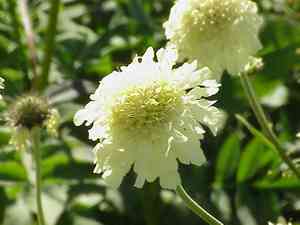
Dwarf honeysuckle can be propagated through stem cuttings and layering techniques, ideally performed in the fall and winter seasons. Successful propagation is indicated by the emergence of fresh roots and sprouts. Maintaining adequate moisture levels is crucial for the best outcome.
Optimal Time for Dwarf Honeysuckle Propagation
Propagation Method
Cutting
Propagation Period
Autumn,Winter
Tools Required for Dwarf Honeysuckle Propagation
Sharp Pruning Shears
Sharp pruning shears are vital for obtaining dwarf honeysuckle cuttings. Their keen edges allow for clean stem cuts, minimizing plant tissue damage. Precise cuts are key to lowering infection risk and promoting faster callus formation, where new roots will emerge.
Rooting Hormone
Rooting hormone stimulates the development of roots in dwarf honeysuckle stem cuttings. By immersing the cut end of the stem in rooting hormone, the likelihood of successful root formation increases, boosting the viability of new plants.
Sterile Potting Mix
A sterile potting mix offers a clean, disease-free environment for dwarf honeysuckle cuttings to establish roots. A medium that drains well yet retains moisture is especially beneficial for dwarf honeysuckle, creating ideal conditions for root growth.
Propagation Trays
Propagation trays are utilized to secure dwarf honeysuckle cuttings during the rooting process. Trays with individual compartments aid in organizing multiple cuttings and preventing root tangling, simplifying subsequent transplanting.
Misting Bottle
A misting bottle is employed to maintain high humidity levels around dwarf honeysuckle cuttings, which is crucial for preventing water loss from leaves. Regular misting helps alleviate stress on the cutting before roots form and can supply water to the plant.
Plastic Dome or Cover
A plastic dome or cover can be placed over the propagation tray to create a mini-greenhouse effect, sustaining high humidity and ensuring a favorable environment for dwarf honeysuckle cuttings to root. This is particularly helpful in preventing cuttings from drying out.
Heat Mat
A heat mat encourages root development in dwarf honeysuckle cuttings by providing consistent warmth from below. This warmth mimics the natural soil temperatures where dwarf honeysuckle thrives and can accelerate the rooting process.
Caring for Your Newly Propagated Dwarf Honeysuckle
How to Care for Your Newly Propagated Dwarf Honeysuckle?
Once dwarf honeysuckle cuttings have developed a robust root system, gradually introduce them to outdoor conditions over a week if outdoor planting is intended. Ensure consistent, but not excessive, watering, and apply a balanced, slow-release fertilizer to support initial growth. Position dwarf honeysuckle in a location receiving full sun to partial shade, shielding young plants from intense midday sun. Prune regularly to maintain shape and encourage a bushy habit.
Common Errors to Avoid When Propagating Dwarf Honeysuckle
Overwatering
Excessive water can lead to root rot in dwarf honeysuckle, hindering its growth or killing young plants.
Deep planting
Planting dwarf honeysuckle cuttings or seeds too deeply can impede proper germination or rooting, as dwarf honeysuckle prefers shallower planting depths.
Neglecting humidity
Dwarf honeysuckle cuttings require consistent humidity to root successfully. Without a humid environment, cuttings may dry out and fail to establish.
Using dull tools
Blunt cutting tools can damage dwarf honeysuckle's delicate stems during cutting, leading to poor healing and reduced chances of successful rooting.
Ignoring pest control
Dwarf honeysuckle can be vulnerable to pests, especially during the delicate propagation stages. Neglecting pest management can result in infestations that compromise the plant's health.
Tips For Propagating Dwarf Honeysuckle
Softwood cuttings
Utilize softwood cuttings from new growth for a higher success rate, as dwarf honeysuckle roots more readily from this type of material.
Sterile medium
Propagate dwarf honeysuckle in a sterile potting mix to prevent fungal and bacterial infections that can hinder root development.
Bottom heat
Providing gentle bottom warmth can stimulate root growth in dwarf honeysuckle cuttings, but avoid excessive temperatures that could harm young roots.
Rooting hormone
Dipping the cut end of dwarf honeysuckle cuttings in a rooting hormone can enhance root development and improve the chances of successful propagation.
Gradual acclimatization
Once dwarf honeysuckle cuttings develop roots, slowly acclimate them to outdoor conditions to minimize transplant shock.



