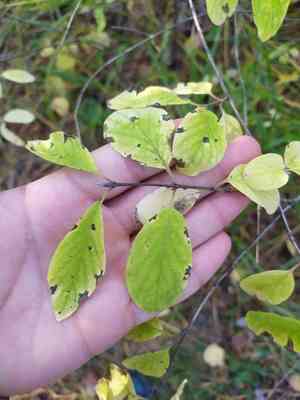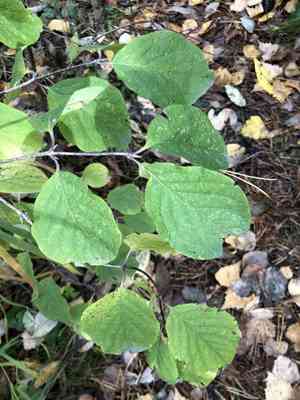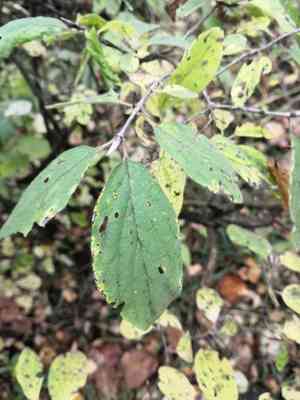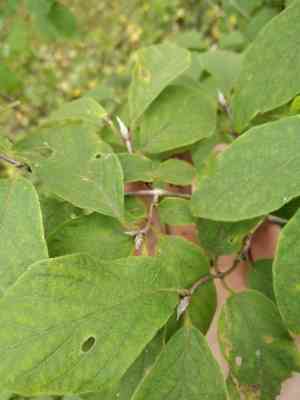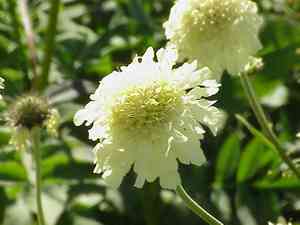
Dwarf honeysuckle(Lonicera xylosteum)

Dwarf honeysuckle (Lonicera xylosteum)

Also known as: Fly woodbine

Common Elder (Sambucus nigra) is a deciduous shrub frequently utilized for hedging or screening. This versatile plant can grow up to 12 meters in height and is known for its clusters of white flowers. Unlike many other plants, the flowers of the Common Elder are primarily pollinated by flies, although they may also attract bees and butterflies.

Attributes of Dwarf honeysuckle

Lifespan
Perennial
Plant Type
Shrub
Plant Height
1 m to 2 m
Spread
2.5 m to 3 m
Leaf Color
Green Gray Silver
Flower Size
8 mm to 1.5 cm
Flower Color
White Yellow Cream

ForwardPlant - Identify plants with a snap

Identify and diagnose plants, get toxicity alerts, and explore safety guides for all types of fungi.

Try for Free

Images of Dwarf honeysuckle

Dwarf honeysuckle(Lonicera xylosteum)

Quickly Identify Dwarf honeysuckle

1
Lonicera xylosteum can be identified by its opposite, oval leaves, small cream-colored to yellow flowers, and red berries. The plant\'s branches are covered in fine hairs.

Scientific Classification of Dwarf honeysuckle

Phylum
Vascular plants
Class
Dicotyledons
Order
Dipsacales
Family
Honeysuckle
Genus
Honeysuckles
Species
Dwarf honeysuckle

Planting and Growing of Dwarf honeysuckle

Care Difficulty
Easy
Watering Schedule
Every 3 days
Sunlight Requirements
Partial sun
Sunshine Duration
4-8 hours
Ideal Temperature
60-75℉
Soil Type
Potting Mix, Peat Mix
Soil pH
6.5-7.5
Fertilizer Type
Balanced
Pruning Season
Spring, Summer
Pruning Area
Branches, Leaves
Pruning Frequency
2 times a year
Repotting Season
Spring
Pot Type
Plastic, Ceramic

water icon How to Water Dwarf honeysuckle?

When watering Lonicera xylosteum, ensure the soil is thoroughly moistened, reaching a depth of at least 6 inches. Watering should follow the general principle of moistening the soil without waterlogging it. A sufficient quantity would generally be around 500 ml per session, but the amount can be adjusted based on soil drainage and weather conditions.
What are the symptoms of an underwatered Dwarf honeysuckle? ›
What should I do if my Dwarf honeysuckle is not getting enough water? ›
What are the symptoms of an overwatered Dwarf honeysuckle? ›
How to save an overwatered Dwarf honeysuckle? ›
More About Watering Techniques→

sunlight icon What Are the Sunlight Requirements for Dwarf honeysuckle?

Sunlight Requirements: Partial sun, Full shade
Duration of light: 4 to 6 hours
Partial sun to full shade is ideal for Lonicera xylosteum, ensuring moderate light exposure. Ideal lighting boosts photosynthesis, helping the plant thrive with vibrant blooms and healthy growth.
What is the ideal lighting for Lonicera xylosteum? ›
How can you ensure ideal lighting for Lonicera xylosteum? ›
What benefits does ideal lighting provide for Lonicera xylosteum? ›
More About Sunlight Requirements Techniques→

temperature icon What Is the Ideal Temperature Range for Dwarf honeysuckle?

Ideal Temperature: 60 ~ 75℉
Lonicera xylosteum prefers a temperature range between 60°F and 75°F. This range promotes optimal growth and health, as it mimics the plant’s natural habitat conditions found in temperate regions. Consistent exposure to this temperature range ensures healthy foliage and flowering.

soil icon What Soil is Best for Dwarf honeysuckle?

Soil type: Loam, Sandy loam, Calcareous soil
Soil PH: 6.5 ~ 7.5
Lonicera xylosteum thrives in well-drained soil. Proper drainage prevents waterlogging, which can lead to root rot. This ensures healthy root systems and promotes vibrant growth. This plant favors nutrient-rich loam that supports its growth. The presence of organic matter in the soil enhances its fertility and boosts the plant's resilience and flowering capabilities. Although Lonicera xylosteum prefers well-drained soil, it also needs soil that can retain some moisture. This balance keeps the plant hydrated without the risk of oversaturation. More About Soil→

fertilize icon How to Fertilize Dwarf honeysuckle?

Fertilizer type: Balanced
Lonicera xylosteum benefits from a balanced application of fertilizer. Use approximately half the recommended amount on the packaging for a 1-2 year old plant. If the plant is mature, you may use a complete dose. This ensures that nutrients do not accumulate excessively in the soil, potentially harming the plant's roots. More About Fertilizing Techniques→

prune icon How to Prune Dwarf honeysuckle?

Pruning Time: Spring, Summer, Autumn
Begin by inspecting the plant for any dead, damaged, or diseased branches and remove these first. This helps to prevent the spread of disease and encourages healthier growth. Identify areas where branches are densely packed and prune selectively to improve airflow and sunlight penetration. This helps in reducing mildew and other fungal infections. Prune to maintain an aesthetically pleasing shape by cutting back long, leggy stems and maintaining a balanced structure. This ensures the plant looks tidy and controls its size effectively. More About Pruning Techniques→

propagate icon How to Propagate Dwarf honeysuckle plant?

Propagate Time: Spring, Early summer
1
Harvest seeds from ripe berries of Lonicera xylosteum in late summer or autumn. Ensure the berries are fully mature before collection. Clean the seeds thoroughly to remove any pulp, which may contain germination inhibitors.
2
Select healthy stems in early summer, preferably non-flowering shoots, and cut them to a length of about 10-15 cm. Remove the lower leaves and dip the cut end in rooting hormone before placing them in a growing medium.
3
Layering involves bending a low growing stem to the ground and covering part of it with soil. Secure it with a U-shaped pin. This technique stimulates root formation while the parent plant still nourishes the growing stem.
More About Propagating Techniques→

repot icon How to Repot Dwarf honeysuckle plant?

Repotting frequency: Every 2-3 years
1
Look for signs like roots emerging from the drainage holes or an overall decline in growth. Repotting in spring or autumn allows Lonicera xylosteum to establish stronger roots without the stress of temperature extremes.
2
Choose a pot that is one size larger than the current one with good drainage holes. A slightly larger pot prevents the soil from getting too waterlogged and helps prevent root rot, allowing space for roots to grow.
3
Select well-draining, loamy mix soil rich in organic matter. This type of soil retains moisture without becoming waterlogged, and its nutritional content aids in the healthy growth of plants.

ForwardPlant - Identify plants with a snap

Find the best spots for them to optimize their health, simply using your phone.

Try for Free

Toxicity of Dwarf honeysuckle

Is Dwarf honeysuckle toxic to humans?

Dwarf honeysuckle exhibits mild toxicity when consumed in significant amounts. Poisoning incidents are most frequently observed in children, who are attracted to the plant's vibrant, red berries. Excessive intake can result in gastrointestinal disturbances such as abdominal pain, diarrhea, and vomiting. Fortunately, there have been no reported fatalities associated with dwarf honeysuckle poisoning. Certain individuals may have allergies to this plant, and direct contact with the skin could provoke a rash. Nonetheless, adverse skin reactions are not typically observed in the broader population.

Is Dwarf honeysuckle toxic to cat?

Dwarf honeysuckle presents a slight toxicity hazard to cats, especially if they consume its berries in substantial quantities. Although the precise toxic substances are not specified, it is vital to keep your cat from eating these portions of the plant. If a cat ingests dwarf honeysuckle, it might show symptoms of physical distress, varying from mild discomfort to more severe reactions. Given that each cat's response to toxins can differ, it is important to monitor for any signs of sickness and to swiftly pursue professional veterinary assistance to guarantee the well-being and safety of your pet.

Is Dwarf honeysuckle toxic to dog?

Dwarf honeysuckle presents a mild toxicity concern for dogs. Poisoning usually occurs when dogs ingest large amounts of the plant, particularly its fruits, which are considered the toxic components of dwarf honeysuckle. Following the consumption of a considerable quantity of these fruits, dogs may show symptoms such as vomiting, diarrhea, abdominal discomfort, or more severe manifestations depending on the amount consumed. It is vital for dog owners to supervise their pets and restrict access to dwarf honeysuckle, especially during the fruiting period. In the event of suspected poisoning, immediate veterinary intervention is crucial to ensure timely treatment and alleviate any harmful effects.

Identify toxic plants for your safety

Learn which plants are harmful to you and your pets, and make informed choices for a safer home!

Try for Free
WARNING
The judgment on toxicity and danger is for reference only. We DO NOT GUARANTEE any accuracy of such judgment. Therefore, you SHALL NOT rely on such judgment. It is IMPORTANT TO SEEK PROFESSIONAL ADVICE in advance when necessary.
More About Toxic Techniques→