How to Prune Dwarf honeysuckle?
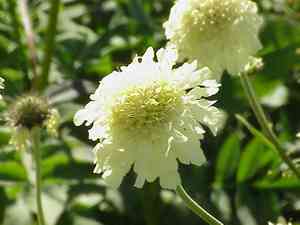
This deciduous bush displays appealing fruit and is recognized for its hardiness. For dwarf honeysuckle, targeted trimming is perfect for preserving its form and vitality, eliminating deceased or intersecting limbs. Perform pruning in early spring, prior to the emergence of new foliage, to stimulate robust blooming and fruit production. After flowering, trim back aged wood to foster the growth of fresh shoots. Pruning not only enhances visual attractiveness but also averts excessive growth and potential vulnerability to ailments.
Advantages of Trimming Dwarf Honeysuckle
Advantages of Trimming Dwarf Honeysuckle
Trimming dwarf honeysuckle promotes vigorous development and helps preserve its desired form. Regular cutting back can revitalize the plant, encourage a denser and more appealing habit, and prevent excessive growth that might diminish its vitality.
Optimal Time for Trimming Dwarf Honeysuckle
Optimal Time for Trimming Dwarf Honeysuckle
Trimming dwarf honeysuckle in early spring is ideal as it allows the plant to mend from cuts before its active growth phase. This timing ensures energy is directed to new shoots and flowers, rather than healing older, potentially damaged branches. It also helps maintain dwarf honeysuckle's shape, fosters new, healthy wood growth, and minimizes disease risk from open wounds during damp seasons. Avoid pruning during dwarf honeysuckle's full growth or winter dormancy, as this can cause sap loss and plant stress or insufficient wound healing time before the growing season.
Necessary Tools for Trimming Dwarf Honeysuckle
Hand Pruners
For cutting stems and branches of dwarf honeysuckle up to 3/4 inches thick, bypass hand pruners are the perfect choice. They create clean cuts that heal quickly.
Loppers
When dealing with thicker branches of dwarf honeysuckle up to 1 1/2 inches in diameter, loppers provide the needed leverage and reach.
Pruning Saw
For mature, woody stems of dwarf honeysuckle exceeding 1 1/2 inches in diameter, a pruning saw is essential for clean cuts without plant damage.
Hedge Shears
Hedge shears are suitable for shaping dwarf honeysuckle when a more formal hedge look is desired. They ensure a straight, even cut when trimming multiple stems simultaneously.
Gloves
To protect hands from thorns or rough branches while trimming dwarf honeysuckle, durable gloves are crucial.
Pruning Sealant
Though not a tool, applying a pruning sealant to large cuts on dwarf honeysuckle can help guard against disease and pests.
How to Trim Dwarf Honeysuckle
Step1: Pruning Schedule
Start trimming dwarf honeysuckle in late winter or early spring before new growth begins. This allows clear visibility of the plant's structure for informed cuts without hindering flower production, as dwarf honeysuckle flowers on old wood.
Step2: Tool Sanitization
Sanitize your pruning tools before starting and between cuts if disease is suspected. Use a solution of 1 part bleach to 9 parts water, or a specialized disinfectant to prevent pathogen spread.
Step3: Identifying Old Wood
Locate old wood that requires trimming. Old wood on dwarf honeysuckle is typically thicker with darker bark. It's important to periodically remove some older stems to encourage new growth and rejuvenate the plant.
Step4: Removing Dead Wood
Carefully remove any dead wood, identifiable by its dry, brittle texture and lack of green under the bark when lightly scratched with a pruning tool. Cut dead wood back to its base, or to where it meets healthy wood.
Step5: Excising Diseased Branches
Find diseased branches, which may show discoloration, unusual growths, or a different texture than healthy branches. Remove these completely to prevent disease spread, making cuts a few inches into healthy wood to ensure all diseased tissue is gone.
Step6: Enhancing Air and Light Flow
Thin out the plant's center to improve air circulation and light penetration. This is vital for reducing disease potential and promoting a healthier, more attractive shape. Make thinning cuts at the base of the chosen branch where it connects to a main stem or just above a healthy new shoot or bud.
Step7: Shaping and Heading Cuts
Shape the dwarf honeysuckle for a desired look, keeping its natural habit in mind. Use heading cuts to shape branches and maintain a bushy appearance. Always cut just above an outward-facing bud to direct new growth outward and prevent shrub congestion.
Step8: Cleaning Pruning Debris
After all pruning cuts, clear all removed plant material from around the base of dwarf honeysuckle to maintain good hygiene and prevent lingering diseases from taking hold.
Step9: Post-Pruning Hydration
Water the plant thoroughly after pruning to aid recovery from trimming stress. This will also encourage new growth in the upcoming growing season.
Step10: Monitoring Plant Health
Monitor the plant for signs of new growth and general health in the following weeks. If any additional diseased or dead wood is observed, repeat the relevant steps from this guide.
After-Pruning Care for Dwarf Honeysuckle
After-Pruning Care for Dwarf Honeysuckle
Immediately after trimming dwarf honeysuckle, water it thoroughly to lessen stress. Maintain slightly elevated humidity and provide filtered light to prevent shock, ensuring moderate temperatures. Apply a balanced, slow-release fertilizer to supply essential nutrients for recovery. Observe dwarf honeysuckle for wilting, discoloration, or unusual growth, indicating stress or infection. If symptoms appear, adjust care and consult an expert. Regular, gentle care enhances dwarf honeysuckle's post-pruning recovery and encourages robust growth.
Common Trimming Errors with Dwarf Honeysuckle
Excessive Trimming Ignoring Natural Form
Disregarding the natural shape of dwarf honeysuckle often leads to over-trimming, which can impede its growth and reduce flowering potential.
Incorrect Cutting of Woody Stems
Cutting into thick, woody stems without considering the plant's recovery ability can stress dwarf honeysuckle, especially if large sections are removed at once.
Using Dull or Contaminated Trimming Tools
Employing blunt or dirty trimming tools can result in jagged cuts and introduce diseases to dwarf honeysuckle, affecting the plant's overall health.
General Trimming Advice for Dwarf Honeysuckle
Sharp Shears for Healthy Outward Growth
To encourage healthy growth and maintenance, use sharp, clean trimming shears and make cuts just above an outward-facing bud, so new growth extends away from the center of dwarf honeysuckle.
Thinning for Improved Air and Light Penetration
Thin out dense areas of dwarf honeysuckle by removing some older stems at their base to improve air circulation and light penetration throughout the plant, which is vital for its vigor.
Selective Trimming to Preserve Natural Form
When shaping dwarf honeysuckle, aim to retain its natural form by selectively trimming awkward or crossing branches that disrupt the overall aesthetic and potentially damage the plant through friction.



