How to Transplant Greenheart?
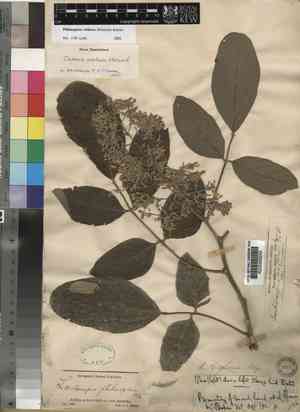
The most favorable period to transplant greenheart is in the pleasant warmth from late spring to early summer, facilitating a smooth adjustment with temperate conditions. Select a location bathed in sunlight featuring soil that drains effectively, and when manipulating greenheart, proceed with care to prevent root trauma.
What Preparations are Needed Before Transplanting Greenheart?
What is the Ideal Time for Transplanting Greenheart?
For greenheart, the perfect time for relocation is from the refreshing warmth of late spring to the pleasant mildness of early summer. This interval, with its steady, moderate climate, promotes strong root development and lessens transplant shock, setting the stage for vigorous growth. Choosing this transplanting window will give greenheart the best start in its new spot, ensuring its enduring vitality is properly nourished by the season's gentle touch.
How Much Space Should You Leave Between Greenheart Plants?
When moving greenheart, aim for ample room. A separation of 10-15 feet (3-4.5 meters) between each plant will provide them sufficient space to thrive without competing for nutrients.
What is the Best Soil Mix for Greenheart Transplanting?
For greenheart, choose a well-draining soil rich in organic material. Before planting, mix in a balanced, slow-release fertilizer to give greenheart an excellent beginning. Target a pH that is neutral to slightly acidic.
Where Should You Relocate Your Greenheart?
Select a sunny location for greenheart as it flourishes in full sunlight. Ensure the chosen area receives at least 6-8 hours of direct sun daily for optimal development and health of your perennial companion.
What Equipments Should You Prepare Before Transplantation Greenheart?
Gardening Gloves
To shield your hands while handling soil and plants.
Shovel or Spade
To excavate the plant and prepare the new planting site.
Hand Trowel
For detailed tasks and smaller digging jobs.
Watering Can or Hose
For hydrating the greenheart before and after its move.
Pruning Shears
To trim any dead or damaged roots or foliage.
Wheelbarrow or Garden Cart
To transport the greenheart and soil.
Staking Materials
To support the greenheart if needed post-transplant.
How Do You Remove Greenheart from the Soil?
How Do You Remove Greenheart from the Soil?
From Ground: First, water the greenheart plant to moisten the soil. Then, dig a wide circle around the plant with a shovel or spade, being careful to keep the root ball intact. Gently work the tool under the root ball and lift the greenheart from the ground.From Pot: Water the greenheart to make the soil damp and easier to manage. Tilt the pot to the side and gently tap the bottom and sides to loosen the plant. Support the base of the greenheart and carefully slide it out of the pot while keeping the root ball undisturbed.From Seedling Tray: Dampen the soil around the greenheart seedlings. Use a hand trowel or a dibber to carefully lift each seedling from the tray, ensuring a sufficient amount of soil remains around the roots to protect them.
Step-by-Step Guide for Transplanting Greenheart
Prepare the New Location
Identify the spot where you will move the greenheart and dig a hole that is twice as wide and just as deep as the plant's root ball.
Remove the greenheart
Follow the appropriate removal process for your greenheart, ensuring minimal disruption to the root system.
Prepare the Root Ball
Examine the root ball of the greenheart and trim any damaged roots with your pruning shears. Handle the roots gently.
Place greenheart in the Hole
Center the greenheart in the new hole, making sure it's at the same depth as it was previously. Spread out the roots carefully if they are clustered.
Backfill the Hole
Using the excavated soil, fill in around the root ball, patting down lightly to remove air pockets without compacting the soil too much.
Water the greenheart
Water the greenheart thoroughly to settle the soil around the roots and help reduce transplant shock.
Stake if Necessary
If the greenheart is tall or in a windy area, provide staking to keep it stable while the roots establish.
Mulch
Apply a layer of organic mulch around the base of the greenheart to retain moisture and regulate soil temperature.
How Do You Care For Greenheart After Transplanting?
Watering
Ensure that the soil around the greenheart stays consistently moist, especially during the initial weeks after transplanting to establish a strong root system without overwatering. Adjust irrigation based on rainfall and temperature conditions.
Staking
Check the stakes regularly to ensure they offer adequate support and do not harm the greenheart's stem. Adjust as the greenheart grows and becomes more stable.
Monitoring
Look for signs of transplant shock, such as wilting or discolored leaves, and take action by adjusting care as needed. Regularly check for pests and diseases.
Pruning
Prune any problematic branches that may have been damaged during transplanting or that are not thriving in the new location. This will direct the greenheart's energy towards root establishment and healthy growth.
Feeding
After the greenheart has had some time to settle, consider a general-purpose fertilizer to support new growth. Always follow the instructions provided for any plant food used.
Troubleshooting Common Issues with Greenheart Transplantation.
When is the optimal time to transplant greenheart?
The best period to move greenheart is during the warmth of late spring to early summer.
How far apart should greenheart be planted?
Space greenheart at least 10-15 feet (3-4.5 meters) apart to ensure adequate room for growth.
What soil conditions favor greenheart after transplanting?
Well-draining soil rich in organic material supports greenheart's post-transplant health and growth.
How do I water greenheart after transplanting?
Provide greenheart with consistent moisture, avoiding both waterlogging and dry spells, especially right after moving.
What are the signs of transplant shock in greenheart?
Wilting leaves, discoloration, and slowed growth can indicate transplant shock in greenheart.
How deep should the hole be for greenheart's root ball?
Dig a hole twice the width and the same depth as greenheart's root ball to avoid burying it too deep.
Can greenheart be transplanted on a hot, sunny day?
Transplant greenheart on a cloudy day or during cooler hours to reduce stress and evaporation.
Should I prune greenheart before transplanting?
Lightly prune greenheart to remove damaged or dead growth, which helps focus energy on root establishment.
How do I ensure greenheart's roots establish well after transplanting?
Keep the soil around greenheart moist and apply a layer of mulch to conserve moisture and reduce weeds.
After how long can I fertilize greenheart post-transplant?
Wait until greenheart shows signs of new growth before applying a balanced, slow-release fertilizer.



