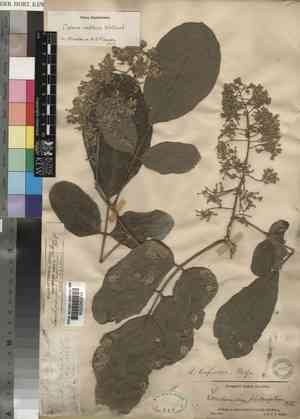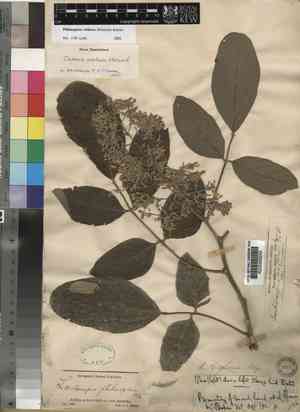
Greenheart(Lonchocarpus violaceus)

Greenheart (Lonchocarpus violaceus)

Also known as: Hoop Mahoe, Wild Cocoa

Certainly! Here’s a refreshed version based on your reference:

The Jacaranda tree, often celebrated for its lush greenery and striking purple blossoms reminiscent of lilacs, is also affectionately known by various poetic names. This beautiful tree, originating from South America, especially Mexico, is cherished in gardens for its rapid and spirited growth. Some charming alternative names for the Jacaranda include:

1. **Lavender Majesty**
2. **Amethyst Canopy**
3. **Purple Dreamer**
4. **Violet Whisper**
5. **Lilac Mirage**
6. **Azure Bloom**
7. **Indigo Splendor**
8. **Blossom Veil**
9. **Sapphire Shade**
10. **Twilight Empress**

These names reflect the tree's enchanting presence and vibrant beauty.

Attributes of Greenheart

Lifespan
Perennial
Plant Type
Tree
Plant Height
10-15 meters
Spread
5-10 meters
Leaf Color
Dark green
Flower Size
1-2 cm
Flower Color
Violet, purple

ForwardPlant - Identify plants with a snap

Identify and diagnose plants, get toxicity alerts, and explore safety guides for all types of fungi.

Try for Free

Images of Greenheart

Greenheart(Lonchocarpus violaceus)

Quickly Identify Greenheart

1
Lonchocarpus violaceus can be identified by its compound leaves with multiple leaflets, violet to purple flowers in clusters, and its smooth, grayish bark. The leaves are alternate and pinnate.

Scientific Classification of Greenheart

Phylum
Vascular plants
Class
Dicotyledons
Order
Fabales
Family
Legume
Genus
Lancepod
Species
Greenheart

Planting and Growing of Greenheart

Care Difficulty
Easy
Watering Schedule
Every 2 days
Sunlight Requirements
Full sun
Sunshine Duration
6-10 hours
Ideal Temperature
68-77℉
Soil Type
Potting Mix, Peat Mix
Soil pH
6.5-7.5
Fertilizer Type
Balanced
Pruning Season
Spring, Summer
Pruning Area
Branches, Leaves
Pruning Frequency
2 times a year
Repotting Season
Spring
Pot Type
Plastic, Ceramic

water icon How to Water Greenheart?

The amount of water Lonchocarpus violaceus requires should be enough to moisten the soil entirely but avoid causing waterlogging. Typically around 500 ml is adequate, but ensure that the water drains well. The goal is to keep the soil consistently damp but never soggy.
What are the symptoms of an underwatered Greenheart? ›
What should I do if my Greenheart is not getting enough water? ›
What are the symptoms of an overwatered Greenheart? ›
How to save an overwatered Greenheart? ›

sunlight icon What Are the Sunlight Requirements for Greenheart?

Sunlight Requirements: Full sun, Partial sun
Duration of light: 6 to 8 hours
For Lonchocarpus violaceus, ideal light conditions range from full to partial sun. Consistent access to 6-8 hours of sunlight supports healthy growth, enhances flower development, and bolsters resilience against environmental stresses, creating an attractive, thriving specimen.
What is the optimal light level for Lonchocarpus violaceus? ›
How can you achieve ideal lighting for this plant indoors? ›
What benefits does Lonchocarpus violaceus gain from ideal light conditions? ›

temperature icon What Is the Ideal Temperature Range for Greenheart?

Ideal Temperature: 68 ~ 77℉
The ideal temperature range for Lonchocarpus violaceus is between 68°F and 77°F. Within this range, the plant can efficiently carry out metabolic processes that are crucial for its growth and development. Maintaining this temperature range ensures optimal photosynthesis and nutrient uptake, leading to healthy foliage and flowering.

soil icon What Soil is Best for Greenheart?

Soil type: Loam, Sandy loam
Soil PH: 6.5 ~ 7.5
Lonchocarpus violaceus thrives best in well-drained soil to prevent root rot. This type of soil allows excess water to run off, reducing the risk of waterlogging which is detrimental to the plant's health. The plant requires a nutrient-rich soil mix to support its robust growth and vibrant foliage. Incorporating organic matter like compost improves soil fertility, fostering strong and healthy plant development. Lonchocarpus violaceus needs soil with good aeration to facilitate root respiration. This ensures the plant roots receive enough oxygen, enhancing nutrient uptake and overall plant vigor.

fertilize icon How to Fertilize Greenheart?

Fertilizer type: Balanced
For Lonchocarpus violaceus, it's important to use a balanced fertilizer. When using liquid fertilizer, dilute it to half the recommended strength during its active growing season. For slow-release fertilizers, scatter them evenly over the root zone according to the manufacturer's guidelines. This approach helps provide the right nutrients without overfeeding the plant.

prune icon How to Prune Greenheart?

Pruning Time: Spring, Summer, Autumn
Use sterilized pruning shears or a sharp pair of scissors to make clean cuts. This helps prevent the introduction of diseases and keeps the plant healthy. Look for dead or damaged branches. Such branches can drain energy from the plant, so it’s essential to prune them away to focus the plant’s growth towards healthy branches. Trim branches to shape the plant, ensuring symmetry and proportion. Aim for a rounded and balanced appearance, as this will enhance the decorative value of the plant. Thin out dense areas by removing some inner branches. This can prevent fungal infections by improving air circulation and allowing sunlight to penetrate through the foliage. More About Pruning Techniques→

propagate icon How to Propagate Greenheart plant?

Propagate Time: Early spring,Spring
1
For seed propagation, collect mature seeds from pods during late summer. For cutting propagation, choose healthy stems and cut sections measuring 4-6 inches long.
2
Use a well-draining potting mix composed of equal parts peat moss and perlite. This ensures good aeration and prevents waterlogging, which can harm developing roots.
3
For seed propagation, plant seeds at a depth twice their diameter. For cuttings, dip in rooting hormone and insert into moist potting mix, firming the soil around it.
More About Propagating Techniques→

repot icon How to Repot Greenheart plant?

Repotting frequency: Every 2-3 years
1
Repot Lonchocarpus violaceus when you notice roots emerging from the drainage holes or the plant showing signs of stunted growth. A good time to repot is during its growth phase in spring or summer, as this allows the plant to recover quickly.
2
Select a pot that is one size larger than the current one, with adequate drainage holes. A pot too large can lead to waterlogged soil, while a too-small pot can stunt growth. Proper pot size ensures balanced root development and optimal growth.
3
Opt for a well-draining loamy soil mix. This type of soil prevents water stagnation around the roots, which is crucial to avoid root rot. The soil should also retain enough moisture to keep the plant hydrated yet prevent waterlogging.

ForwardPlant - Identify plants with a snap

Find the best spots for them to optimize their health, simply using your phone.

Try for Free

Toxicity

ingestion

Identify toxic plants for your safety

Learn which plants are harmful to you and your pets, and make informed choices for a safer home!

Try for Free
WARNING
The judgment on toxicity and danger is for reference only. We DO NOT GUARANTEE any accuracy of such judgment. Therefore, you SHALL NOT rely on such judgment. It is IMPORTANT TO SEEK PROFESSIONAL ADVICE in advance when necessary.