The Greenheart Plant Advantage: Maximizing Home and Office Appeal and Wellness
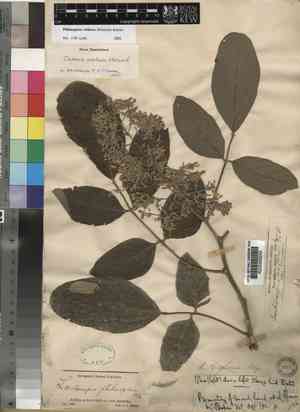
1
Greenheart serves as a superb organic pest deterrent.
2
Greenheart boasts stunning, vivid blossoms that can beautify any outdoor space.
3
Greenheart timber is exceptionally resilient and prized in building.
How Does Greenheart Benefit Your Garden?
Natural Insect Repellent
A key attribute of Greenheart is its capacity to serve as a natural insect deterrent. The plant generates specific compounds effective at warding off harmful insects, making it an excellent addition to any garden. This can significantly lessen the need for chemical pesticides, fostering a healthier garden ecosystem. Incorporating Greenheart can also help maintain the health of other plants by keeping common pests away.
Aesthetic Appeal
Greenheart is also celebrated for its vivid and colorful blossoms that can infuse your garden with beauty. The striking purple and white shades of the flowers can create a stunning visual impact, making your garden stand out. Positioning Greenheart along borders or as a central feature in your landscape design can greatly enhance the overall visual charm of your outdoor area.
What Are the Practical Uses of Greenheart?
Durable Wood for Construction
The timber from Greenheart is exceptionally durable, making it a highly sought-after material in the construction sector. Its resistance to various weather conditions and inherent durability against rot and insects makes it an excellent choice for building structures such as decks, fences, and even furniture. The dense hardwood is not only strong but also possesses a fine, attractive grain, adding to its value.
Craftsmanship and Art
Beyond construction, Greenheart's wood is also highly valued in the realm of craftsmanship and art. Its fine grain and rich color make it an ideal medium for carving and creating intricate wooden artworks. Artisans frequently utilize Greenheart's wood to craft beautiful sculptures, detailed inlays, musical instruments, and luxury furniture pieces, demonstrating its versatility and aesthetic worth.
How to Grow and Maintain Greenheart
Optimal Growing Conditions
Greenheart thrives in well-drained soil and prefers sunny to partially shaded environments. While it requires relatively little upkeep, ensuring the plant receives ample sunlight will encourage healthier growth and more vibrant blooms. The plant adapts to various soil types but performs best in slightly acidic to neutral pH levels. Consistent watering is vital, especially during the initial growth phases.
Pruning and Care
Pruning is an essential aspect of maintaining Greenheart. Removing dead or damaged branches will stimulate new growth and improve the plant's overall vitality. It is also beneficial to prune the plant in late winter or early spring before new growth commences. Mulching around the plant's base can help retain moisture and suppress weeds, further contributing to its flourishing state.
Environmental Impact and Sustainability
Promoting Biodiversity
Planting Greenheart can contribute positively to the environment by fostering biodiversity. Its flowering nature attracts various pollinators, including bees, butterflies, and birds, which play a crucial role in the ecosystem. A garden rich in biodiversity is more resilient to disease and adverse weather conditions, making Greenheart a valuable addition to any ecologically conscious garden.
Sustainable Uses
The sustainable characteristics of Greenheart, particularly its durable wood, mean it can be a more eco-friendly option compared to other less sustainable materials. Utilizing Greenheart's wood in construction and craftsmanship reduces the demand for more environmentally damaging materials. Furthermore, the plant's natural insect-repelling properties minimize the need for chemical pesticides, making your garden safer for both the environment and its inhabitants.



