How to Prune Greenheart?
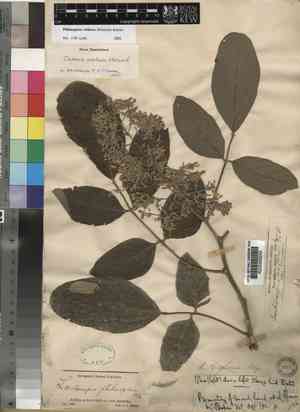
Originating from the Caribbean and northern South American areas, greenheart is prized for its resilient timber and decorative leaves. Trim greenheart during its inactive phase in late winter or early spring. Eliminate any dead or ailing wood, thin out crowded branches to boost air circulation, and sculpt the crown for structural soundness. Trimming greenheart revitalizes development, deters pest outbreaks, and refines its inherent shape. Employ sanitized, sharp implements for accurate cuts and refrain from excessive removal to preserve the plant's well-being.
What Are the Benefits of Pruning Greenheart?
What Are the Benefits of Pruning Greenheart?
Trimming greenheart promotes strong development and preserves its structural integrity. Regular cutting back stimulates new shoots, boosting its vitality, while shaping trims manage size and uphold visual appeal, customized for landscape design.
What Is the Best Time for Pruning Greenheart?
What Is the Best Time for Pruning Greenheart?
Pruning or trimming greenheart is optimally done in late winter or early spring before new growth commences. This timing ensures the plant has ample time to recover prior to the growing season, thereby minimizing stress. Pruning during late winter allows gardeners to accurately assess which parts of greenheart require trimming without leaf obstructions. In early spring, just before the active growth cycle, pruning can encourage new growth in the desired direction and form, and it's easier to avoid cutting off buds that would produce flowers or fruit. Pruning outside these seasons could disrupt the plant's dormancy, natural growth cycle, or the production of flowers and fruits.
What Tools Do I Need to Prune Greenheart?
Hand pruners
Perfect for making clean cuts on small branches and twigs of greenheart, ensuring minimal harm to the plant's tissues.
Lopping shears
Suitable for cutting thicker branches of greenheart that are too large for hand pruners, offering good leverage and precise cuts.
Pruning saw
Essential for the largest branches of greenheart that demand more cutting power than loppers can provide, guaranteeing accurate and clean cuts on mature wood.
Pole pruner
Helpful for reaching higher branches of greenheart without needing a ladder, improving safety during the pruning process.
How to Prune Greenheart
Clean Tools
Before beginning, sanitize pruning shears and saws with alcohol or a 10% bleach solution to prevent disease transmission.
Inspect
Carefully examine greenheart for dead or diseased branches. Look for branches that are discolored, show unusual growth, or are clearly lifeless.
Remove Dead
Trim dead branches by making precise cuts at a 45-degree angle just outside the branch collar. Avoid tearing the bark or leaving a stub.
Remove Diseased
Cut diseased branches well below the affected area to ensure all infected tissue is removed. If the disease is widespread, consider removing the entire branch.
Dispose
Properly dispose of dead and diseased branches, far from healthy plants, to prevent disease spread. Do not compost these materials.
Common Pruning Mistakes with Greenheart
Overpruning
Cutting back too much can stress greenheart, leading to weak development and susceptibility to pests and diseases.
Improper Cut Location
Not cutting just above a leaf node or bud can result in unsightly stubs and can harm greenheart's natural form.
Using Dull Tools
Blunt pruning shears can cause ragged cuts, which can lead to disease and pest infestations.
Neglecting Tool Hygiene
Not sanitizing tools between cuts, especially when moving from an infected plant to a healthy one, can spread diseases.
Pruning Too Early
Cutting back greenheart before it has matured can lead to reduced flowering and a less vigorous plant.
Ignoring Plant Structure
Failing to understand greenheart's natural growth pattern can result in pruning that does not enhance the plant’s habit or flowering potential.
Common Pruning Tips for Greenheart
Health First
Always begin by removing any dead, diseased, or damaged branches to maintain greenheart's health and vitality.
Correct Cut Angle
Make cuts at a 45-degree angle just above an outward-facing bud to promote outward growth and prevent water accumulation on the cut surface.
Annual Evaluation
Assess greenheart's growth annually to determine the need for shaping or to remove overly vigorous branches that may be depleting energy from the rest of the plant.
Gradual Rejuvenation
If rejuvenation is necessary, perform it over several seasons rather than all at once to avoid shocking greenheart.
Thin Crowded Areas
Thin out congested areas to ensure good air circulation and sunlight penetration, which are crucial for greenheart's overall health and flowering.
Judicious Thinning
Be careful when thinning to maintain the natural form of greenheart, removing only what is necessary for plant health and aesthetics.



