How to Transplant Chinese lobelia?
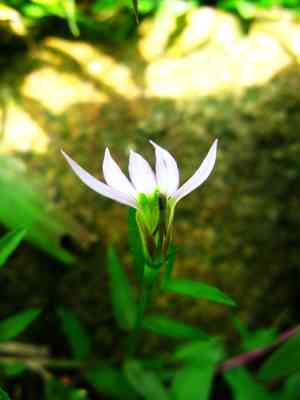
For Chinese Lobelia, the ideal period for transplanting falls between the end of spring and the middle of summer, a time of robust development. Position it in an area featuring damp, adequately draining earth. Should it be necessary, incorporating organic material will aid Chinese Lobelia in flourishing after its relocation.
Essential Preparations Before Relocating Chinese Lobelia
Optimal Period for Moving Chinese Lobelia?
The best time to move chinese lobelia is during the gentle warmth of late spring through the vibrancy of mid-summer. Shifting chinese lobelia then promotes vigorous development, as the ground is damp, warm, and fertileâideal for root establishment. Additionally, stable weather minimizes transplant shock, ensuring chinese lobelia thrives in its new spot!
Recommended Spacing Between Chinese Lobelia Plants?
When moving your chinese lobelia, aim to provide ample room for air circulation and growth by placing each one approximately 6-8 inches (15-20 cm) apart. This ensures sufficient space for them to flourish without crowding.
Best Soil Blend for Chinese Lobelia Relocation?
For your chinese lobelia, prepare the earth with a well-draining mixture, abundant in organic material. Incorporating a balanced, slow-release fertilizer into the soil will encourage robust roots and healthy development.
Ideal New Location for Your Chinese Lobelia?
Select a site for your chinese lobelia that receives partial sunlight. As full sun can be too harsh, a location that gets some shade, particularly during the hottest part of the day, is perfect.
Equipment Needed Before Transplanting Chinese Lobelia?
Gardening Gloves
To safeguard your hands while handling soil and plants.
Spade or Shovel
To excavate the chinese lobelia without harming its root system.
Hand Trowel
For detailed tasks and minor adjustments to the planting hole.
Watering Can or Hose
To hydrate the chinese lobelia before and after its move.
Pruning Shears
To trim any damaged roots or foliage.
Wheelbarrow or Plant Cart
To transport the chinese lobelia if it's large or if you're moving multiple specimens.
Garden Fork
To loosen the soil around the plant prior to extraction.
Root Stimulator (optional)
To encourage new root growth after transplantation.
How to Extract Chinese Lobelia from the Ground?
How to Extract Chinese Lobelia from the Ground?
From Ground: Moisten the chinese lobelia's soil. Use a garden fork to loosen the earth around the plant, then dig a wide trench with a spade, keeping the root ball intact. Gently slide the spade underneath to lift the plant.From Pot: Water the plant to dampen the soil and lightly tap the pot's sides to free the root ball. Tilt the pot sideways and carefully slide the chinese lobelia out, supporting it by the stem's base.From Seedling Tray: Water the seedlings to ensure moist soil. Use a hand trowel or spoon to dig around each individual chinese lobelia seedling. Gently lift the seedling by its leaves, not the delicate stem, to prevent damage.
Detailed Steps for Transplanting Chinese Lobelia
Preparing the Hole
Excavate a hole in the ground that is twice the width and equal to the depth of the chinese lobelia's root ball.
Readying the chinese lobelia
Inspect the root ball, and use pruning shears to remove any dead or excessively long roots. If rootbound, gently separate the roots.
Positioning the chinese lobelia
Place the chinese lobelia in the center of the hole. The top of the root ball should be flush with the surrounding soil level.
Backfilling the Hole
Refill the hole with soil, gently firming it down without compacting it too much, to secure the chinese lobelia.
Watering
Thoroughly water the chinese lobelia to settle the soil and eliminate air pockets. If available, add root stimulator to the water to aid root development.
Mulching
Apply a layer of mulch around the base of the chinese lobelia to help retain moisture and regulate soil temperature, keeping the mulch a few inches away from the stem.
Post-Transplant Care for Chinese Lobelia
Watering
Ensure the chinese lobelia receives consistent watering to maintain slightly damp soil, especially during dry periods.
Supporting
Stake the chinese lobelia if it's top-heavy or exposed to strong winds, to provide stability during root establishment.
Monitoring
Watch for signs of transplant shock, such as wilting, yellowing, or dropped leaves, and intervene as needed.
Protecting
Shield the chinese lobelia from pests and harsh weather, using plant collars or row covers if necessary.
Resolving Common Issues with Chinese Lobelia Transplantation.
When is the best time to transplant chinese lobelia?
Move chinese lobelia during its active growth season from late spring to mid-summer for optimal results.
What spacing is needed for chinese lobelia when transplanting?
Allow each chinese lobelia ample room to thrive by spacing them 6-8 inches (15-20 cm) apart.
Why is my chinese lobelia wilting after being moved?
Wilting may indicate shock. Keep the soil moist and shield from intense sunlight until recovery.
How deep should chinese lobelia's roots be planted during transplanting?
Plant chinese lobelia's roots just beneath the soil surface, covering them with about an inch (2.5 cm) of soil.
Can I transplant chinese lobelia on a hot, sunny day?
Transplant chinese lobelia on a cooler, overcast day to minimize stress and prevent wilting.
What soil type is ideal for transplanting chinese lobelia?
Utilize a well-draining soil rich in organic matter to encourage healthy root development.
How much water should chinese lobelia receive after transplanting?
Water thoroughly after transplanting to settle the soil and aid root establishment.
How do I identify transplant shock in chinese lobelia?
Signs of shock include drooping leaves, yellowing, and slowed growth. Provide shade and water gently.
What if chinese lobelia's leaves turn yellow after transplanting?
Yellow leaves can signal overwatering or poor drainage. Check soil moisture and adjust irrigation.
Is fertilizing chinese lobelia necessary after transplanting?
Wait a few weeks before fertilizing to allow chinese lobelia to establish without excessive nutrient stress.



