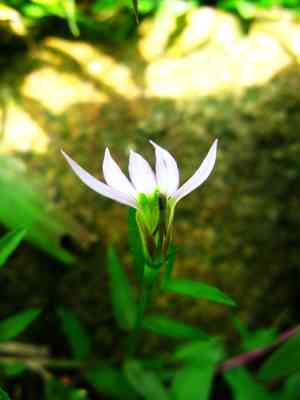
Chinese lobelia (Lobelia chinensis)
Also known as: Herba Lobellae Chinensis
Lobelia chinensis, a perennial herb, typically grows in dense clusters ranging from 15 to 35 centimeters in length. This plant features long, slender, and branching stems, which are often olive green or green-brown, accompanied by narrow, crumpled leaves. The herb generally has little to no odor and possesses a sweet yet pungent taste. For optimal medicinal use, prioritize harvesting plants with the healthiest, greenest stems and roots that appear more yellow, ensuring they are free from disease and environmental contaminants. Proper and gentle handling during harvest is also crucial to maintain the plant's medicinal quality.
In This Article
Attributes of Chinese lobelia
Lifespan
Perennial
Plant Type
Herb
Plant Height
8 cm to 15 cm
Spread
90 cm
Leaf Color
Green
Flower Size
7 cm
Flower Color
White Pink
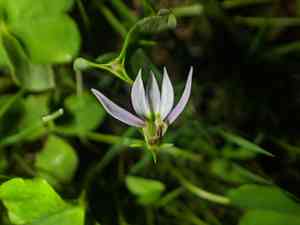
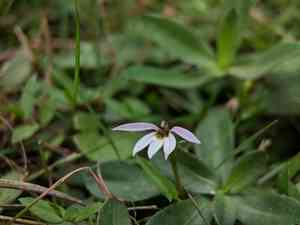
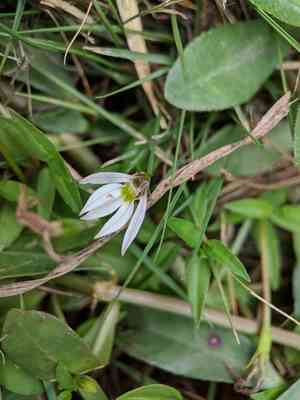
Images of Chinese lobelia
Quickly Identify Chinese lobelia
1
Identifying Lobelia chinensis involves looking for its small, opposite leaves and slender stems. The plant also features small, pale purple or white flowers that grow in clusters.
Scientific Classification of Chinese lobelia
Phylum
Vascular plants
Class
Dicotyledons
Order
Asters bellflowers fanflowers and allies
Family
Bellflower
Genus
Lobelias
Species
Chinese lobelia
Planting and Growing of Chinese lobelia
Care Difficulty
Easy
Watering Schedule
Every 4 days
Sunlight Requirements
Partial sun
Sunshine Duration
6-8 hours
Ideal Temperature
60-75℉
Soil Type
Potting Mix, Peat Mix
Soil pH
5.8-7
Fertilizer Type
Balanced
Pruning Season
Spring, Summer
Pruning Area
Branches, Leaves
Pruning Frequency
2 times a year
Repotting Season
Spring
Pot Type
Terracotta, Plastic
 How to Water Chinese lobelia?
Lobelia chinensis appreciates a moderate watering amount each time. Pour approximately 200 ml of water per session, ensuring that the soil is evenly moist but not waterlogged. This plant thrives best when its soil is moistened thoroughly yet allowed to dry slightly between waterings, balancing its need for hydration without excess standing water.
What are the symptoms of an underwatered Chinese lobelia?
›
What should I do if my Chinese lobelia is not getting enough water?
›
What are the symptoms of an overwatered Chinese lobelia?
›
How to save an overwatered Chinese lobelia?
›
 What Are the Sunlight Requirements for Chinese lobelia?
Lobelia chinensis benefits from an exposure of partial sun to full sun. With adequate morning sunlight, the plant reveals vigorous growth and prolific flowering, maximizing its aesthetic and health.
More About Sunlight Requirements Techniques→
What is the best lighting environment for Lobelia chinensis?
›
What measures can help achieve ideal lighting conditions for this plant?
›
What benefits does the plant enjoy under optimal light conditions?
›
 What Is the Ideal Temperature Range for Chinese lobelia?
Lobelia chinensis thrives best within a temperature range of 60 to 75 °F. This range ensures optimal growth and vigor, providing just the right warmth for its metabolic processes. Keeping the plant within this temperature range will encourage healthy photosynthesis and the development of its beautiful flowers.
 What Soil is Best for Chinese lobelia?
Lobelia chinensis thrives in nutrient-rich soils, which provide essential minerals and nutrients. A well-fertilized soil ensures robust growth and prolific blooming, crucial for this medicinal plant. The plant prefers soils with excellent drainage to prevent root rot. Rapid drainage facilitates healthy root development, allowing the plant to absorb nutrients efficiently. While good drainage is essential, equally important is the soil's ability to retain moisture. The balance keeps the soil moist yet not waterlogged, key for sustained plant health.
 How to Fertilize Chinese lobelia?
For Lobelia chinensis, apply liquid fertilizer with a balanced N-P-K ratio diluted to half strength. Use about 100-150 ml per plant, ensuring even distribution around the root zone. Be cautious not to over-fertilize as this may harm the plant.
 How to Prune Chinese lobelia?
Regularly remove the spent flowers by cutting them back to a set of healthy leaves. This process encourages new blooms and helps extend the blooming period. Trim any leggy or overgrown stems to maintain the desired shape and size of the plant. Aim to cut just above a leaf node to foster denser and more compact growth. Check for any yellowing or dead leaves during your pruning routine. Gently remove these leaves as they can attract pests or diseases to the plant.
More About Pruning Techniques→
 How to Propagate Chinese lobelia plant?
1
Start by preparing a well-draining soil mix. This is crucial as Lobelia chinensis prefers moist but not waterlogged conditions. Mix equal parts of peat moss, perlite, and vermiculite to create a balanced growing medium.
2
Scatter Lobelia chinensis seeds lightly over the prepared soil surface without covering them, as they require light to germinate. Mist the soil surface gently with water and cover the tray with plastic to retain moisture.
3
Choose a healthy, non-flowering stem around 4-6 inches long. Cut just below a leaf node using pruning shears. Strip off the lower leaves, dip the cut end in rooting hormone, and plant it in moist, warm soil.
 How to Repot Chinese lobelia plant?
1
Look for roots poking through the drainage holes or when the plant's growth stalls. This indicates that Lobelia chinensis has outgrown its current pot and needs more room for healthy development.
2
Select a pot that's one size larger than the current one, with ample drainage holes. This gives the roots space to expand and prevents waterlogging, which is crucial for the plant's health.
3
Choose a well-draining loamy soil mix. This type of soil retains sufficient moisture but doesn't become waterlogged, providing Lobelia chinensis with the right balance of air and nourishment.
Learn More About Chinese lobelia Diseases
Anthracnose
Bacterial Leaf Spot
Bacterial Soft Rot
Bacterial Wilt
Chemical Injury
Crown Gall
Cyst Nematode
Damping-off
Downy Mildew
Drought Stress
Fusarium Wilt
Gray Mold
Leaf Spot
Mosaic
Nutrient Deficiency
Nutrient Toxicity
Powdery Mildew
Root Rot
Root-knot Nematode
Rusts
Sooty Mold
Spider Mites
Temperature Stress
Thrips Damage
White Mold



